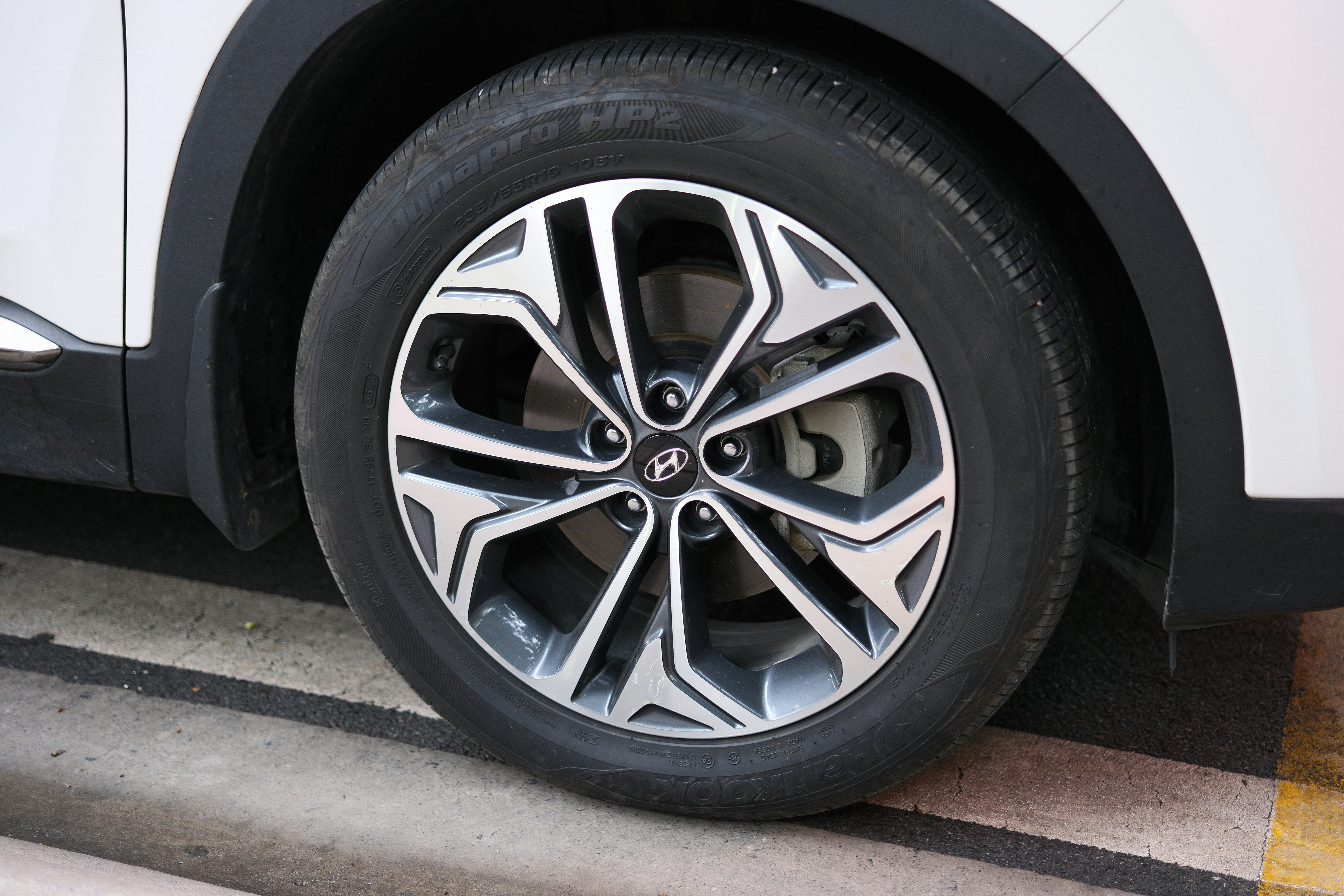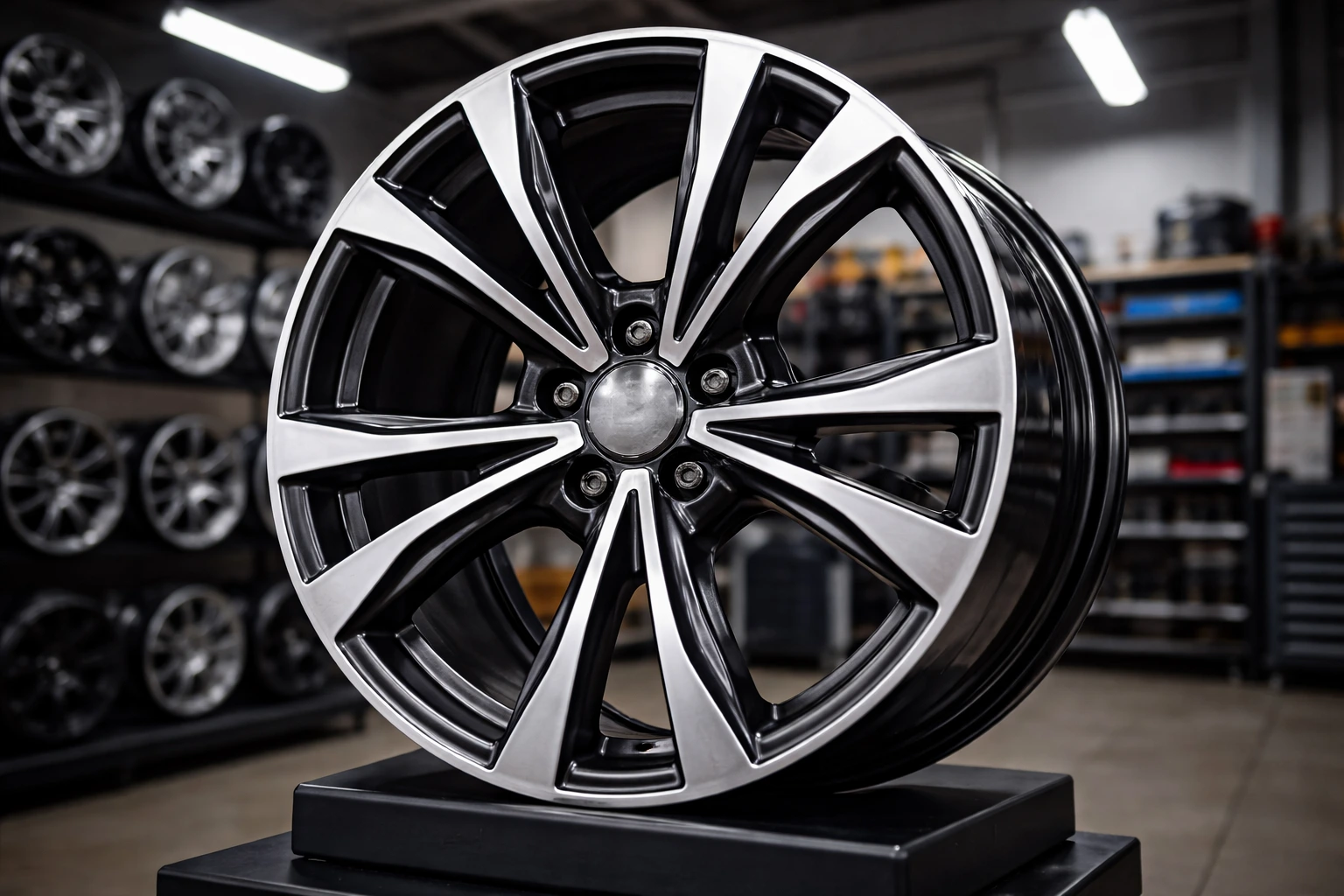
Diamond cut alloys look premium, sharp, and eye-catching. Many Mumbai car owners choose them purely for aesthetics, expecting them to perform just like regular alloys. What most people don’t realise is that the manufacturing process itself is very different—and that difference directly affects durability, maintenance, and repair.
Understanding diamond cut alloy wheel manufacturing helps explain why these wheels behave differently on Mumbai roads, why they need specialised care, and why not all repairs deliver the same results. At Wheels Repair Sales, a professional alloy wheel shop in Mumbai, we regularly educate customers on what truly sets diamond cut alloys apart beneath the surface.
This blog uncovers the hidden manufacturing differences behind diamond cut alloys in Mumbai—without technical jargon, just real-world clarity.
What Makes Diamond Cut Alloys Different From Regular Alloys
At a glance, diamond cut alloys look similar to painted or powder-coated wheels. But their finishing process is what makes them unique.
In diamond cut alloy wheel manufacturing, the wheel:
- Is first cast or forged like a normal alloy
- Then coated with a base layer (usually paint)
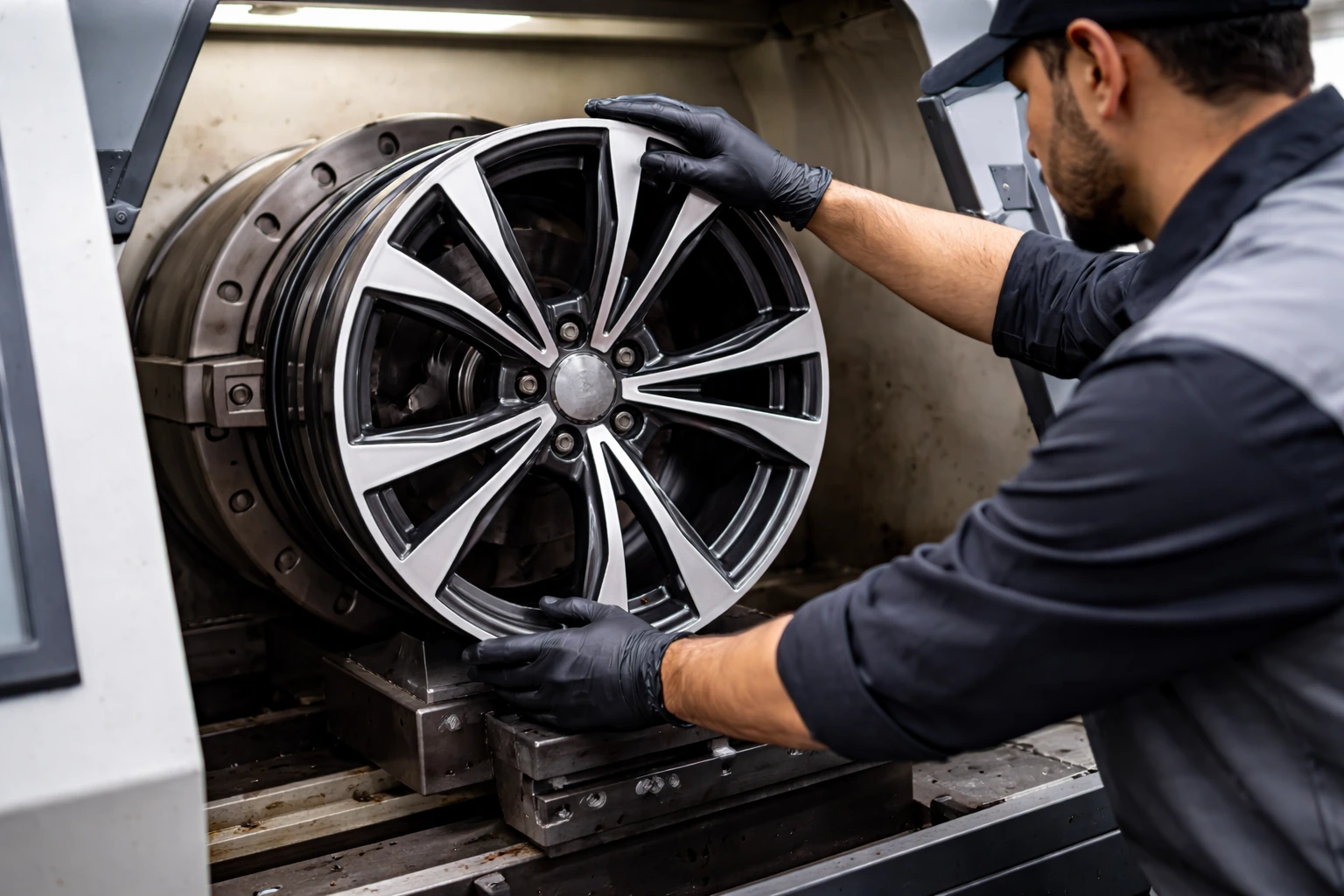
- Finally machined on a CNC lathe to expose raw metal
This exposed metal surface creates the sharp, mirror-like finish—but also introduces new vulnerabilities.
CNC Machining: The Defining Step
The key difference in diamond cut alloy wheel manufacturing is CNC machining.
During this step:
- A thin layer of metal is shaved off
- Precision tools cut the wheel face
- The raw aluminium surface is exposed
This process improves aesthetics but reduces the thickness of the protective layer, making the wheel more sensitive to environmental damage—especially in Mumbai.
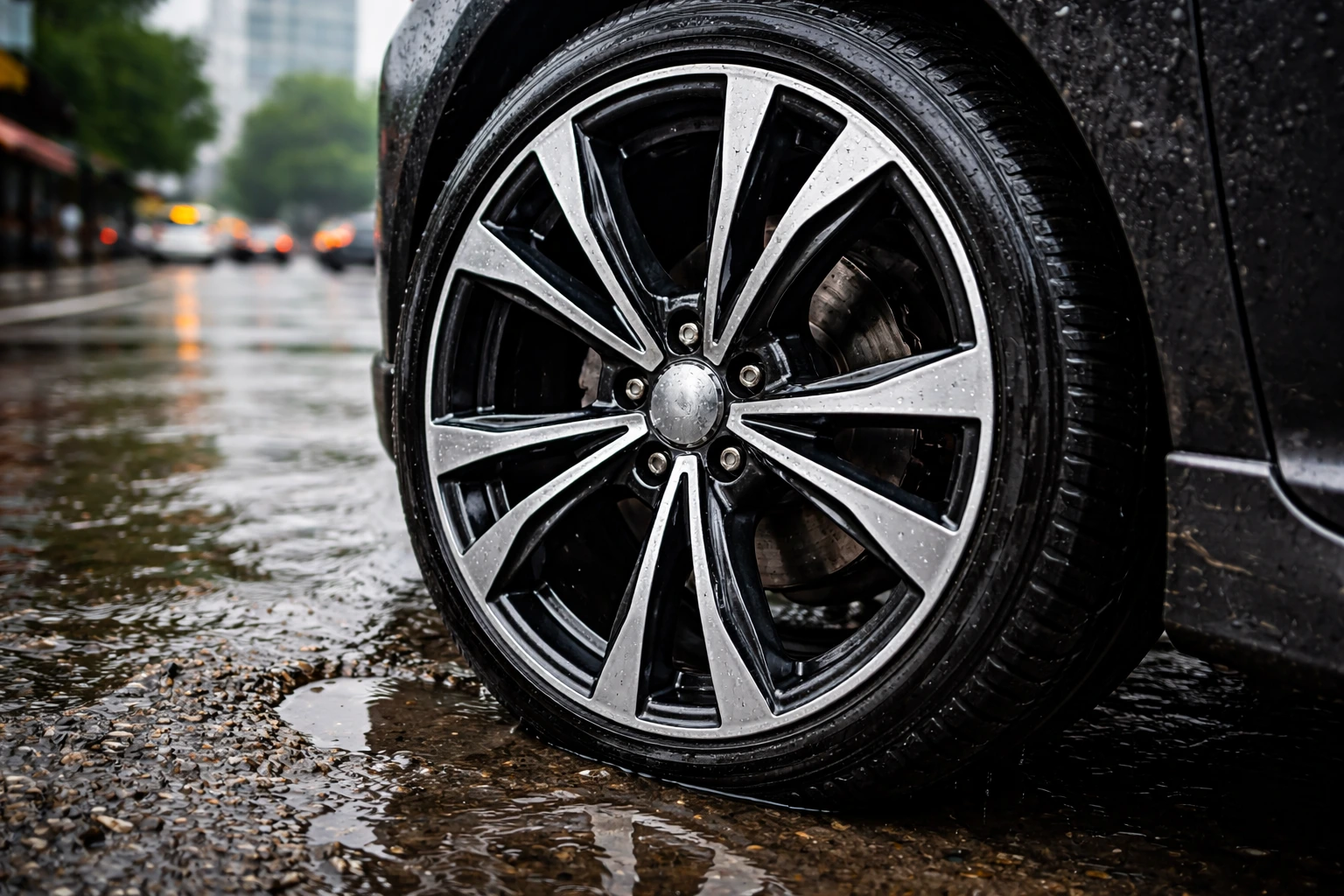
Why Diamond Cut Alloys Are Less Forgiving on Mumbai Roads
Mumbai roads are harsh:
- Potholes
- Water logging
- High humidity
- Road debris
Because diamond cut alloy wheel manufacturing exposes bare metal, even minor damage can:
- Allow moisture to enter
- Cause oxidation beneath the lacquer
- Spread corrosion faster than on painted alloys
This explains why diamond cut alloys often age differently in Mumbai conditions.
The Role of Lacquer in Diamond Cut Alloys
After machining, wheels are sealed with a clear lacquer. This lacquer is the only barrier protecting the exposed metal.
Problems arise because:
- Lacquer layers are thin
- Stone chips can break the seal
- Heat and humidity weaken adhesion
In diamond cut alloy wheel manufacturing, lacquer quality directly affects lifespan—yet many buyers never ask about it.
Why Manufacturing Tolerances Matter More Than You Think
Diamond cut wheels demand tighter tolerances than standard alloys.
Manufacturing challenges include:
- Perfect machining depth
- Uniform metal exposure
- Accurate balancing after cutting
Even small deviations during diamond cut alloy wheel manufacturing can lead to:
- Uneven wear
- Vibration
- Reduced structural margin
This is why cheaper diamond cut wheels often fail sooner.
Cast vs Forged Diamond Cut Alloys
Not all diamond cut alloys are made the same.
Cast diamond cut alloys:
- More common
- Less expensive
- Slightly heavier
- More vulnerable to bending
Forged diamond cut alloys:
- Stronger metal structure
- Better impact resistance
- Higher cost
The manufacturing method influences how well the wheel survives Mumbai roads.
Why Diamond Cut Alloys Need Special Repair Methods
Because of their manufacturing process, repairs are complex.
Unlike painted wheels:
- You cannot spot-paint diamond cut surfaces
- The wheel must be re-machined
- Each cut removes more metal
At Wheels Repair Sales, we explain that diamond cut alloy wheel manufacturing limits how many times a wheel can be safely refurbished.
https://wheelsrepairsales.com/
How Manufacturing Differences Affect Long-Term Ownership
Many first-time buyers don’t expect:
- Higher maintenance needs
- Faster cosmetic aging
- Limited repair cycles
These realities are not flaws—they’re outcomes of diamond cut alloy wheel manufacturing. Knowing this helps owners make better care and repair decisions.
Why Local Repairs Often Fail on Diamond Cut Alloys
Local garages usually treat all alloys the same.
Common mistakes:
- Manual sanding instead of CNC cutting
- Incorrect lacquer application
- No corrosion treatment
Without understanding diamond cut alloy wheel manufacturing, repairs look good briefly—but fail quickly.
Manufacturing Quality vs Visual Appeal
A shiny finish doesn’t always mean good quality.
High-quality diamond cut manufacturing focuses on:
- Structural integrity
- Balanced machining
- Protective sealing
Low-quality manufacturing prioritises looks over longevity.
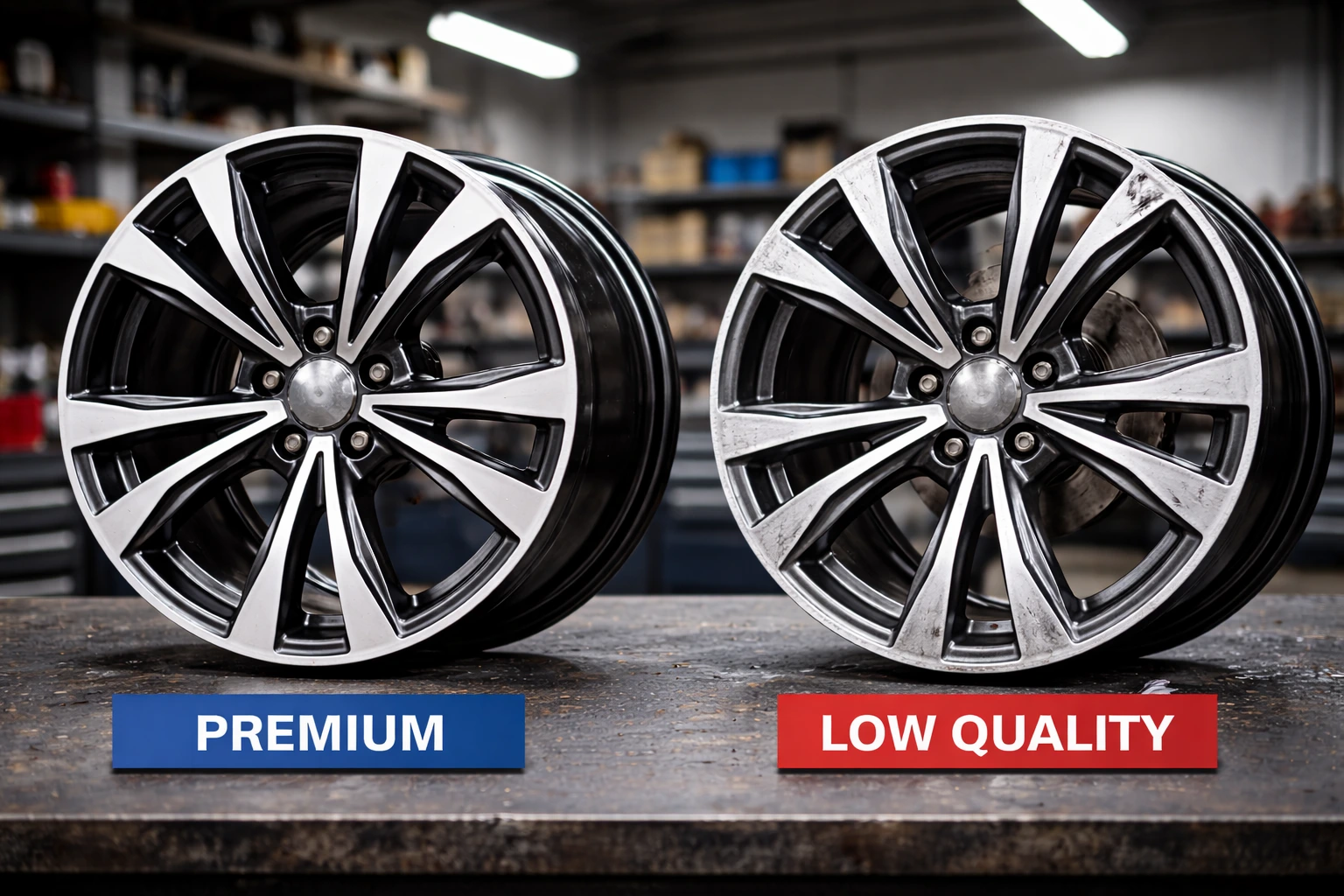
Table: Regular Alloy vs Diamond Cut Alloy Manufacturing
| Aspect | Regular Alloy | Diamond Cut Alloy |
|---|---|---|
| Surface Finish | Painted/Powder Coated | CNC Machined + Lacquer |
| Metal Exposure | Fully sealed | Partially exposed |
| Repair Complexity | Low | High |
| Maintenance Need | Moderate | High |
| Mumbai Climate Resistance | Better | More sensitive |
FAQs – Diamond Cut Alloy Manufacturing
Why do diamond cut alloys look better initially?
Because CNC machining exposes raw metal for a sharp finish.
Do they weaken structurally?
No, but surface protection is reduced.
Can they be repaired unlimited times?
No. Each re-cut removes material.
Are they bad for Mumbai roads?
Not bad—just require informed care.
Final Thoughts
Diamond cut alloys are not just a design choice—they’re a manufacturing choice. The unique steps involved in diamond cut alloy wheel manufacturing create stunning aesthetics but also demand greater awareness from owners.
In Mumbai’s climate and road conditions, understanding how these wheels are made helps prevent disappointment, unnecessary repairs, and premature wear.
At Wheels Repair Sales, we believe informed owners enjoy better performance, longer lifespan, and safer driving—especially with premium wheels.
Author Information
Author: Areef Shaikh
Last Updated: February 2026
Category: Diamond Cut Alloy Wheels & Manufacturing
Social Media: Instagram – @wheelsrepairsales