Mumbai’s monsoon is beautiful—but brutal on cars. One of the most common issues we see at Wheels Repair Sales, a trusted alloy wheel shop in Mumbai, is diamond cut alloy damage caused by prolonged exposure to water, mud, and chemicals on city roads.
Many drivers notice dull patches or peeling weeks after the rains end, not realising the damage has already begun beneath the surface. This guide explains why diamond cut alloy damage happens after monsoon, how to spot early warning signs, and what Mumbai drivers should do before repair costs escalate.
What Are Diamond Cut Alloys?
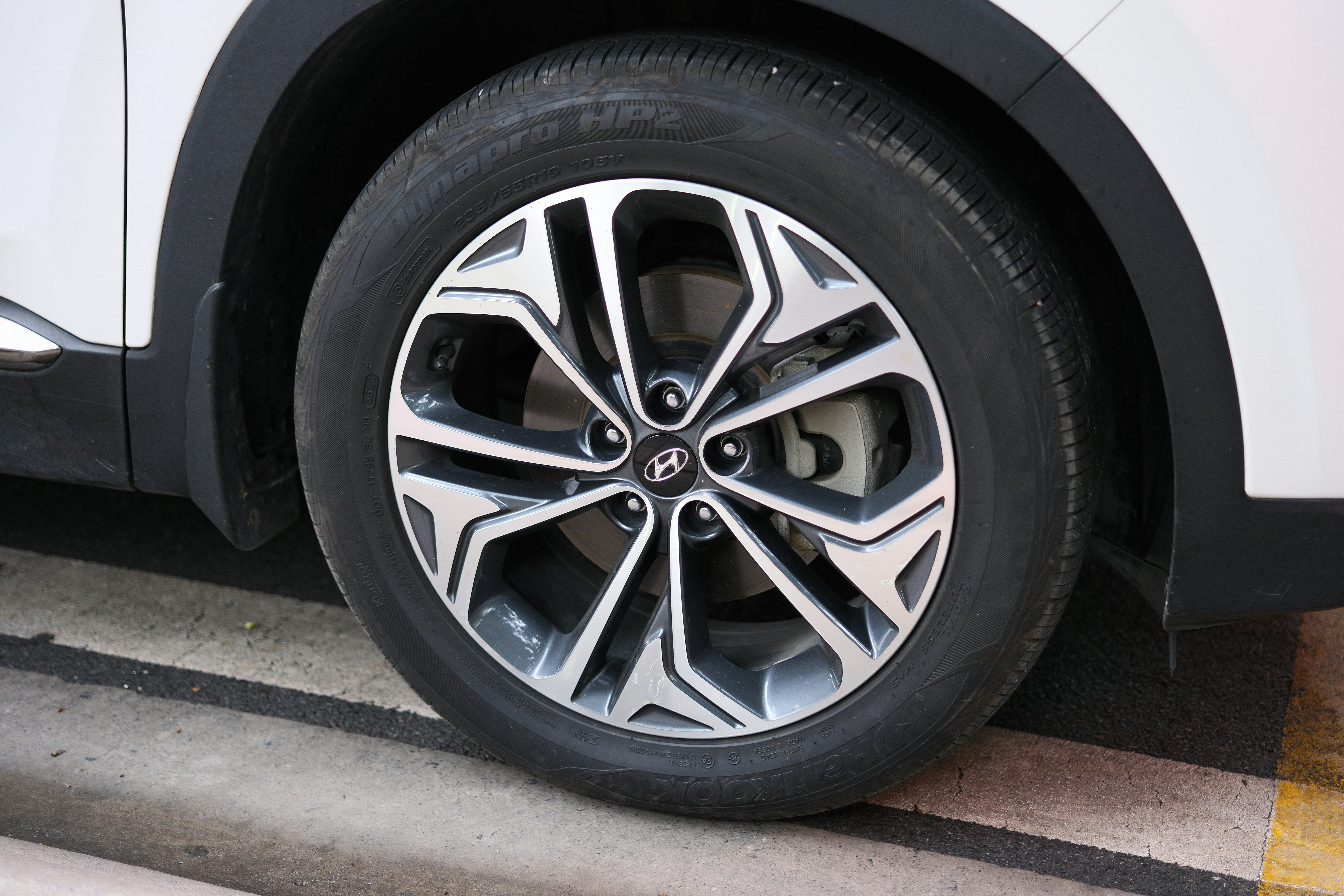
Diamond cut alloys are not painted like regular alloys. Instead, they are precision-machined on a CNC lathe, creating a glossy, bare-metal finish sealed with a thin lacquer layer.
Why this matters
- The bare aluminium surface reacts quickly with moisture
- The protective lacquer is extremely thin
- Any breach allows water to seep underneath
Once moisture enters, diamond cut alloy damage accelerates rapidly, especially in humid cities like Mumbai.
Diamond cut alloys are vulnerable because their machined metal surface is protected by a thin lacquer that easily breaks during monsoon exposure.
Why Mumbai’s Monsoon Is Especially Harsh on Diamond Cut Alloys
Mumbai drivers face a unique combination of conditions that worsen diamond cut alloy damage:
- Standing water mixed with road salt and chemicals
- Poor drainage causing repeated water immersion
- Mud and grit acting like sandpaper on lacquer
- High humidity slowing down natural drying
At Wheels Repair Sales, we regularly inspect wheels that look fine externally but show severe internal corrosion caused by monsoon exposure.
Early Warning Signs of Diamond Cut Alloy Damage
Do not ignore these subtle signs after the rainy season:
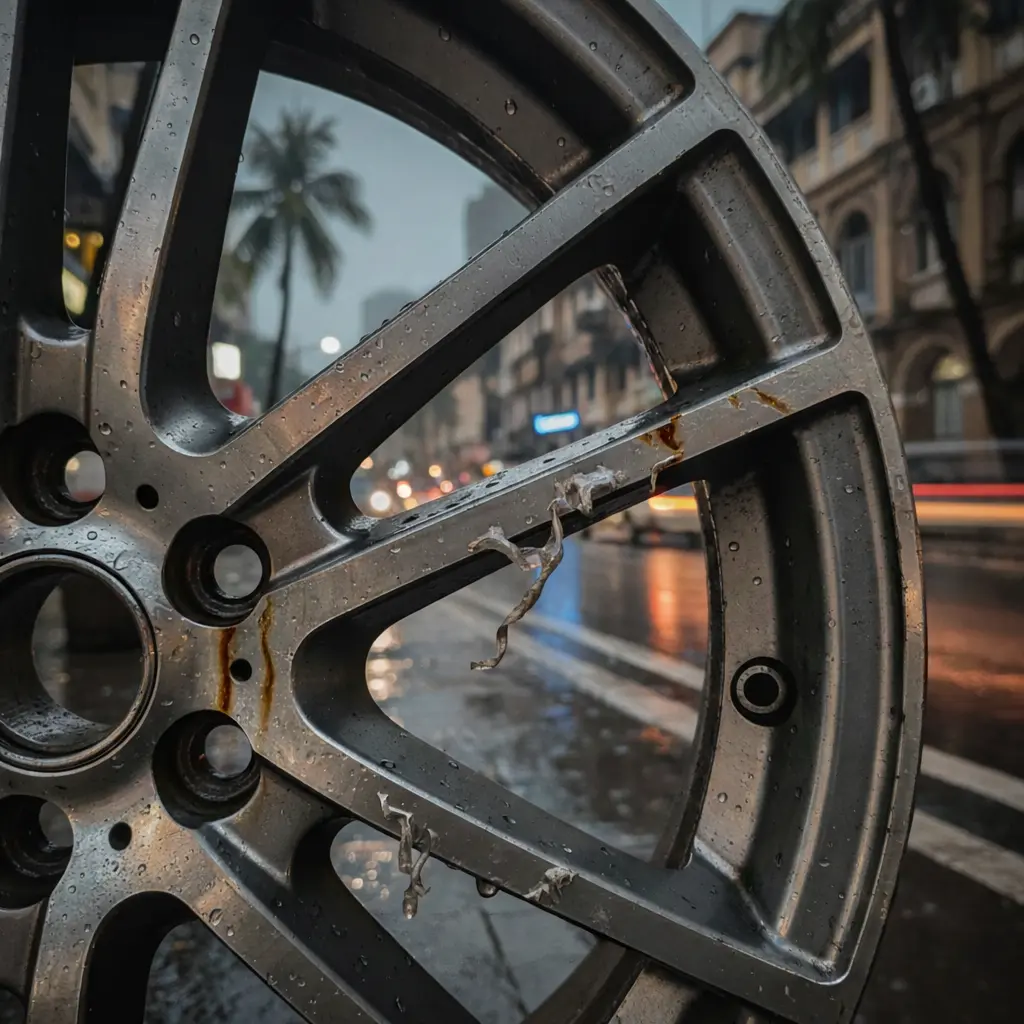
- Cloudy or milky patches on the wheel face
- Small bubbles under the clear coat
- White powdery residue near edges
- Peeling around bolt holes
These are classic indicators of diamond cut alloy damage, and early repair can save thousands.
Milky patches, bubbling lacquer, and peeling edges are early signs of diamond cut alloy damage after monsoon.
How Monsoon Damage Progresses Over Time
Ignoring minor damage leads to a chain reaction:
- Water enters through microscopic cracks
- Aluminium begins to oxidise
- Corrosion spreads beneath lacquer
- Structural strength weakens
By the time vibration or air leaks appear, diamond cut alloy damage is already advanced.
Diamond Cut Alloy Damage vs Regular Alloy Damage
| Feature | Diamond Cut Alloys | Painted Alloys |
|---|---|---|
| Surface | Bare machined metal | Painted & sealed |
| Monsoon Resistance | Low | Medium–High |
| Repair Complexity | High | Moderate |
| Refinish Limit | 2–3 times max | Multiple times |
This is why professional inspection is critical at a specialised alloy wheel shop in Mumbai like Wheels Repair Sales.
Why DIY Fixes Make Monsoon Damage Worse
Many drivers try quick fixes—polish, wax, or spray coatings. Unfortunately:
- DIY polishing removes remaining lacquer
- Spray coatings trap moisture inside
- Temporary shine hides structural corrosion
We often see worsened diamond cut alloy damage due to well-intended but incorrect DIY attempts.
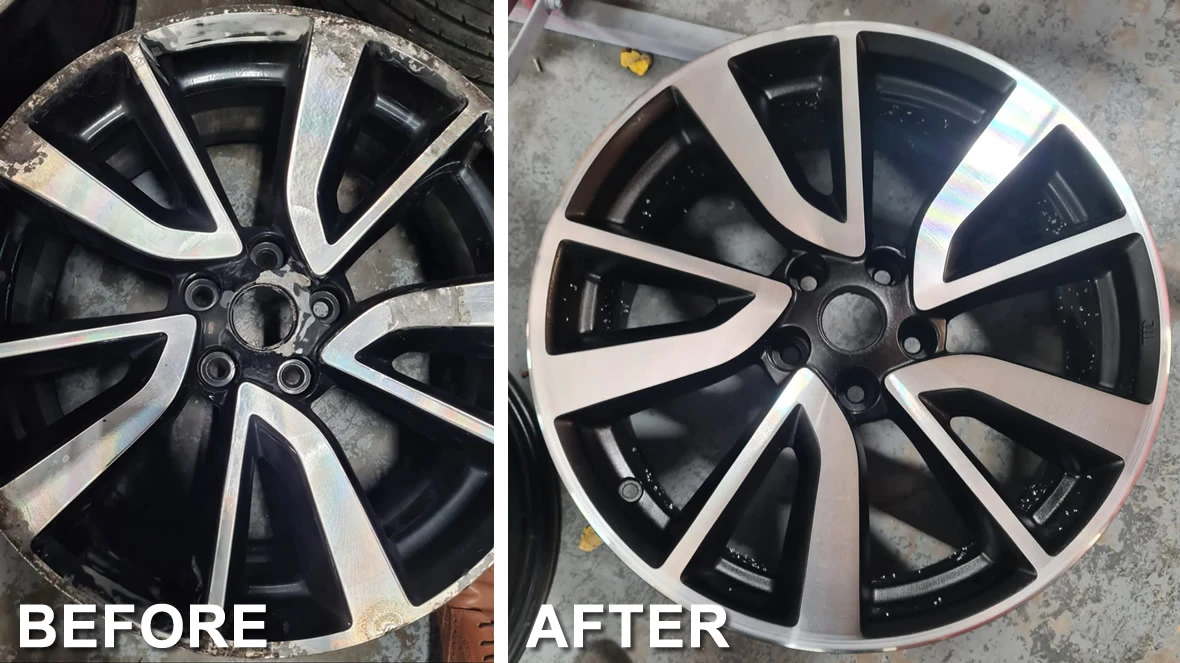
Professional Repair Process for Diamond Cut Alloy Damage

At Wheels Repair Sales, our repair process includes:
- Complete lacquer removal
- Corrosion neutralisation
- CNC re-cutting for uniform finish
- Re-lacquering in controlled conditions
This ensures diamond cut alloy damage is repaired safely without compromising wheel strength.
Professional CNC machining and controlled lacquering are the only safe ways to repair diamond cut alloy damage.
Can Diamond Cut Alloys Be Saved After Severe Monsoon Damage?
Yes—but only if damage is detected early. Structural cracks, deep corrosion, or repeated machining may require replacement instead of repair.
How Mumbai Drivers Can Prevent Diamond Cut Alloy Damage
Follow these habits:
- Rinse wheels after driving through flooded roads
- Avoid parking wet cars overnight
- Inspect wheels monthly during monsoon
- Get post-monsoon professional checks
A simple inspection at a reliable alloy wheel shop in Mumbai can prevent long-term damage.
When Should You Visit a Professional Alloy Wheel Shop in Mumbai?
Visit immediately if:
- Damage appears after rains
- Air pressure drops unexpectedly
- Steering vibration increases
At Wheels Repair Sales, early diagnosis often reduces repair cost by more than 40%.
FAQs
Q1. Is diamond cut alloy damage common in Mumbai?
Yes. Mumbai’s humidity, flooding, and road chemicals make it one of the highest-risk cities.
Q2. Can diamond cut alloys be repaired multiple times?
Usually only 2–3 CNC re-cuts are safe before replacement is recommended.
Q3. Is repainting better than diamond cutting?
For monsoon-heavy regions, painted alloys are more durable, but diamond cut alloys offer superior aesthetics.
Q4. How long does professional repair take?
Typically 24–48 hours at a specialised alloy wheel shop in Mumbai.
Summary
“Most monsoon-related wheel failures we see start as cosmetic damage that drivers ignore.”
Final Thoughts:
Diamond cut alloy damage doesn’t happen overnight—but once it starts, it spreads fast. Mumbai drivers must treat post-monsoon inspection as essential maintenance, not an optional upgrade.
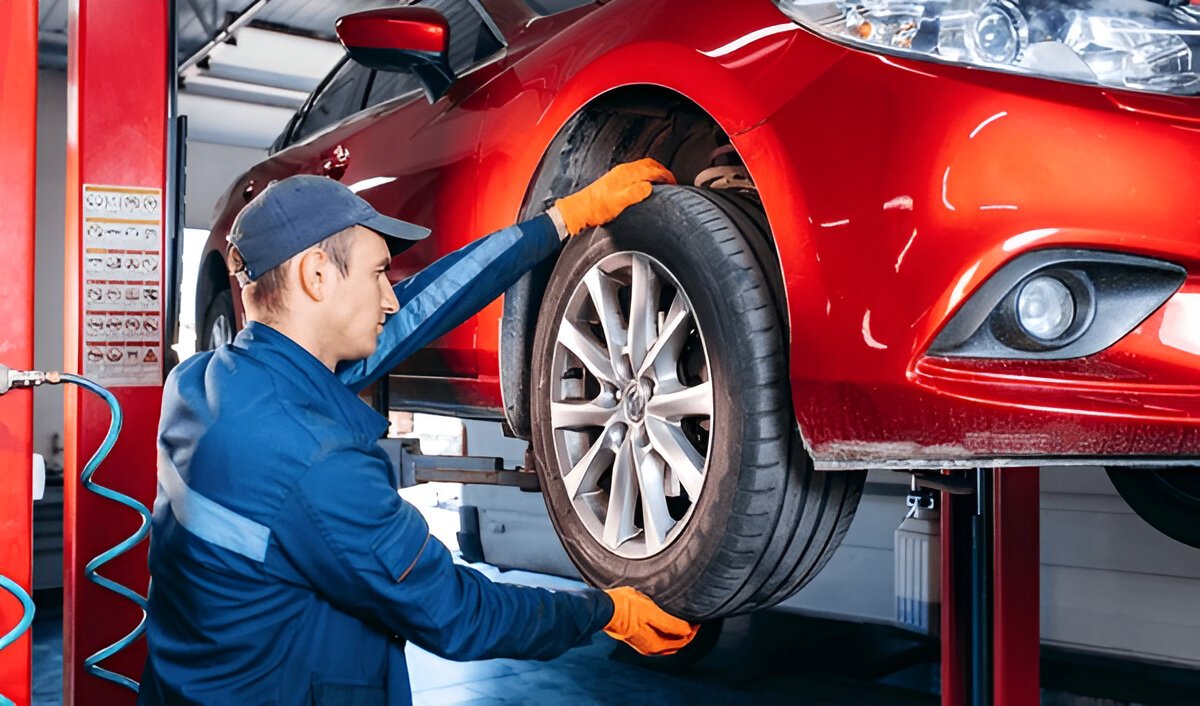
If you want precision repair, honest assessment, and long-term safety, Wheels Repair Sales remains a trusted alloy wheel shop in Mumbai for diamond cut alloy restoration.
Author Information
Author: Areef Shaikh
Last Updated: January 2026
Category: Automobile / Alloy Wheel Care & Repair
Social Media: Instagram | @wheelsrepairsales