Choosing wheels is no longer just about looks. For Mumbai car owners, it’s about durability, maintenance, safety, and long-term ownership experience. Many drivers today compare diamond cut alloy wheels vs regular alloys without fully understanding how each performs on real Mumbai roads.
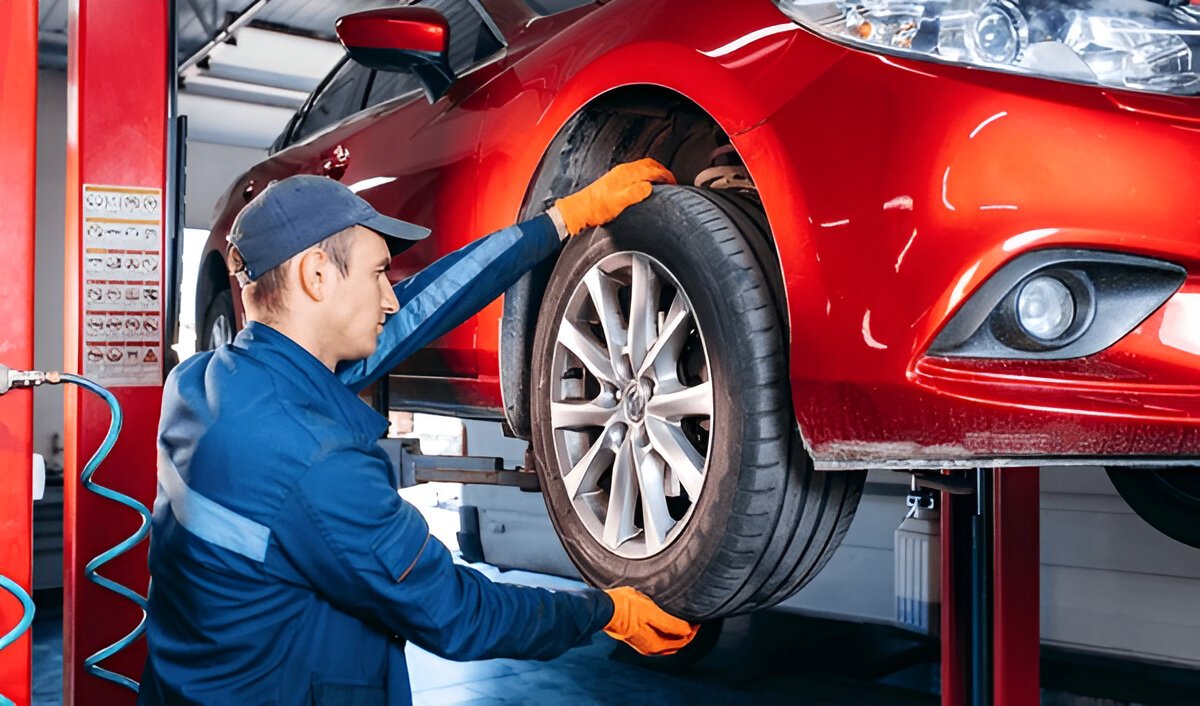
From potholes and monsoon waterlogging to daily traffic stress, wheels face extreme conditions here. At Wheels Repair Sales, a professional alloy wheel shop in Mumbai, we work on both diamond cut and regular alloys every day. What we see in workshops often differs from what buyers expect at the showroom.
This blog breaks down the real-world ownership experience of diamond cut alloy wheels vs regular alloys, helping you make a smarter, long-term decision.
What Makes Diamond Cut Alloy Wheels Different
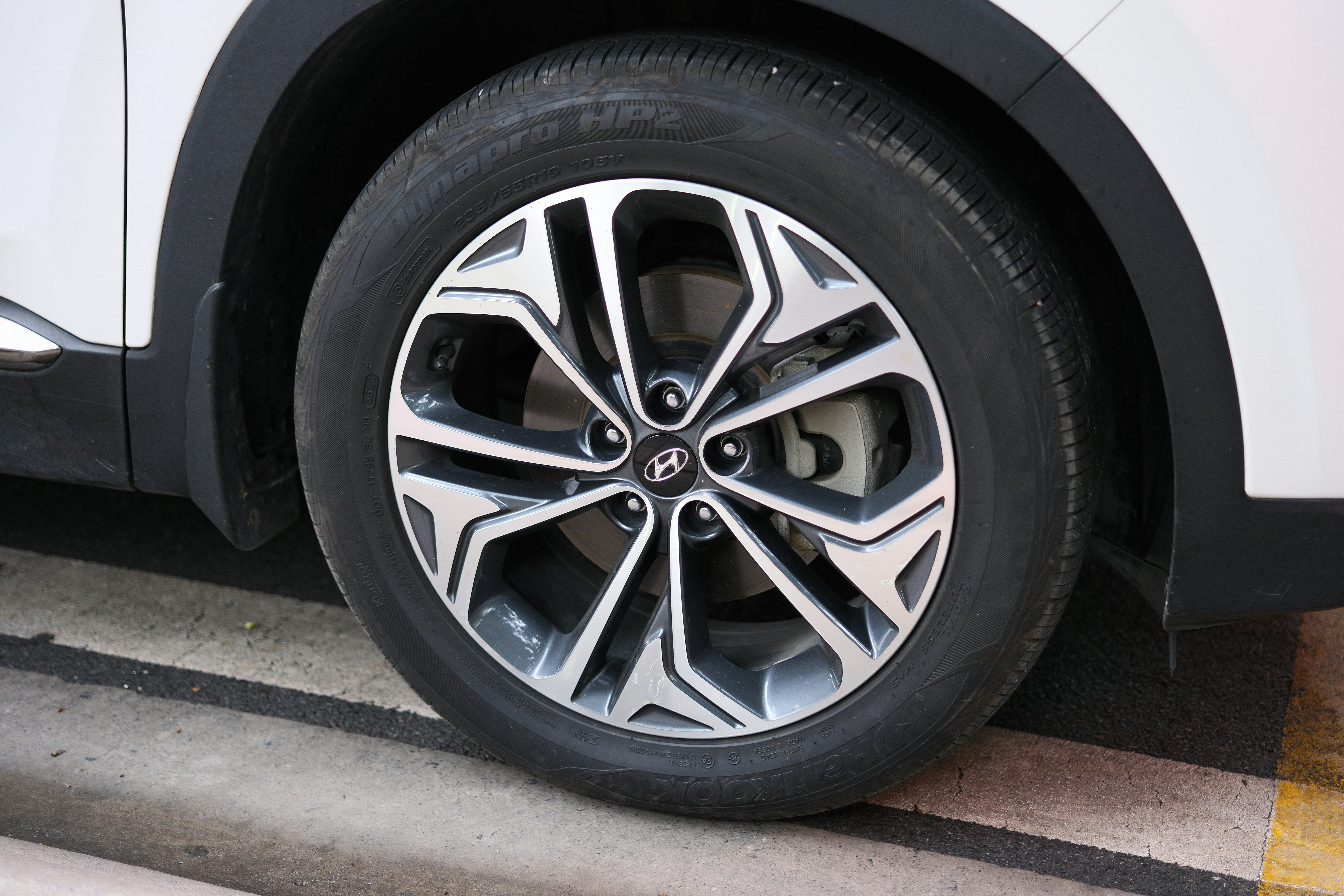
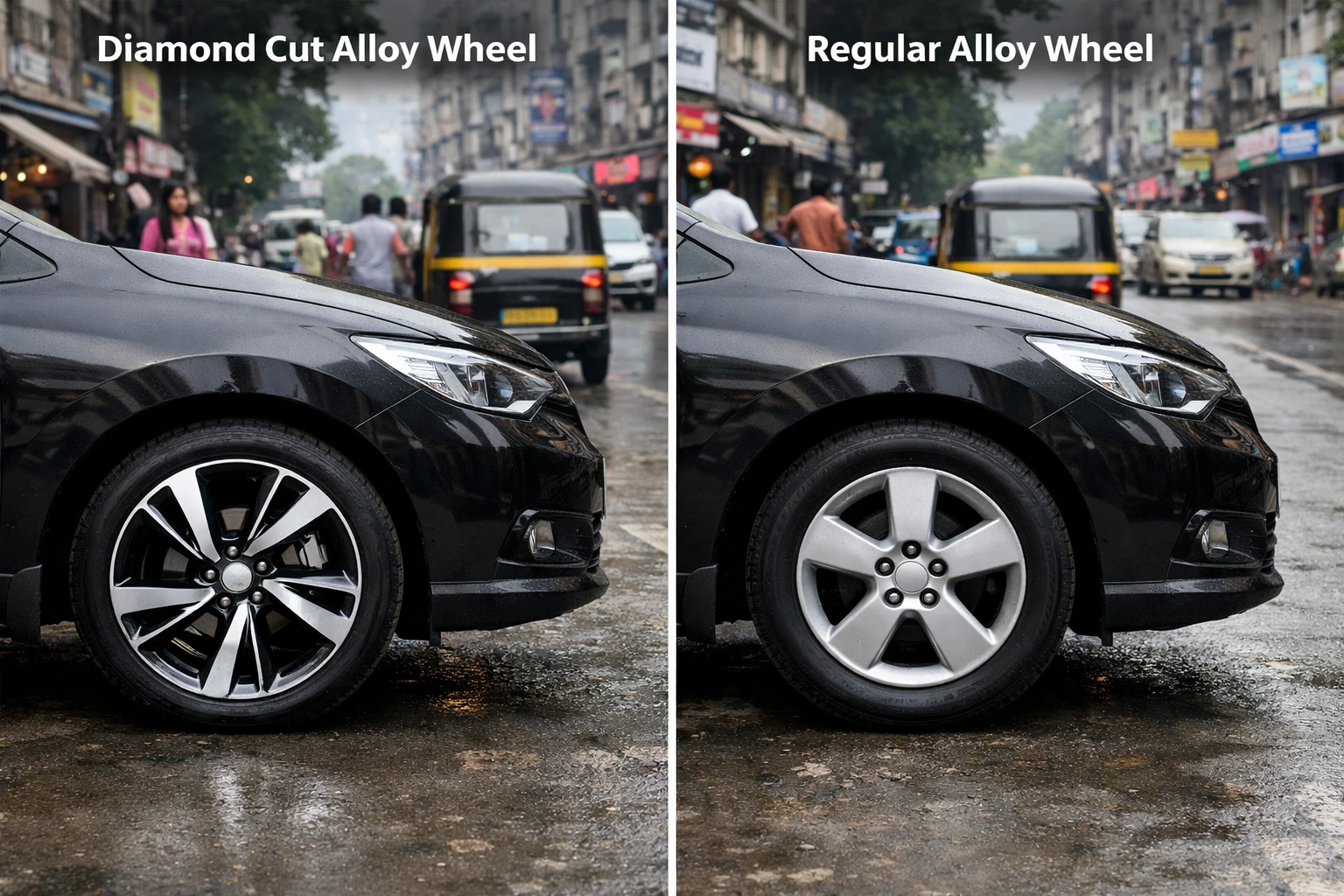
Diamond cut alloy wheels are created using a precision CNC machine that cuts a thin layer of metal from the wheel face. This gives them a sharp, glossy, premium finish.
Key characteristics:
- Machined surface with clear coat
- Premium appearance
- Higher sensitivity to damage
In diamond cut alloy wheels vs regular alloys, aesthetics are the biggest selling point—but also the biggest risk in Mumbai conditions.
What Are Regular Alloy Wheels?
Regular alloy wheels are painted or powder-coated rather than machined. They may not shine as sharply, but they are built for everyday durability.
Key traits:
- Uniform painted or coated finish
- Better resistance to minor scratches
- Easier to repair and repaint
When comparing diamond cut alloy wheels vs regular alloys, regular alloys usually perform better for daily Mumbai driving.
Real Mumbai Road Conditions: The True Test
Mumbai roads expose wheels to:
- Potholes hidden by water
- Uneven speed breakers
- Tight parking scrapes
- Constant braking and turning
In theory, diamond cut alloys look superior. In reality, diamond cut alloy wheels vs regular alloys behave very differently once exposed to these conditions.
Finish Durability: What Owners Experience Over Time
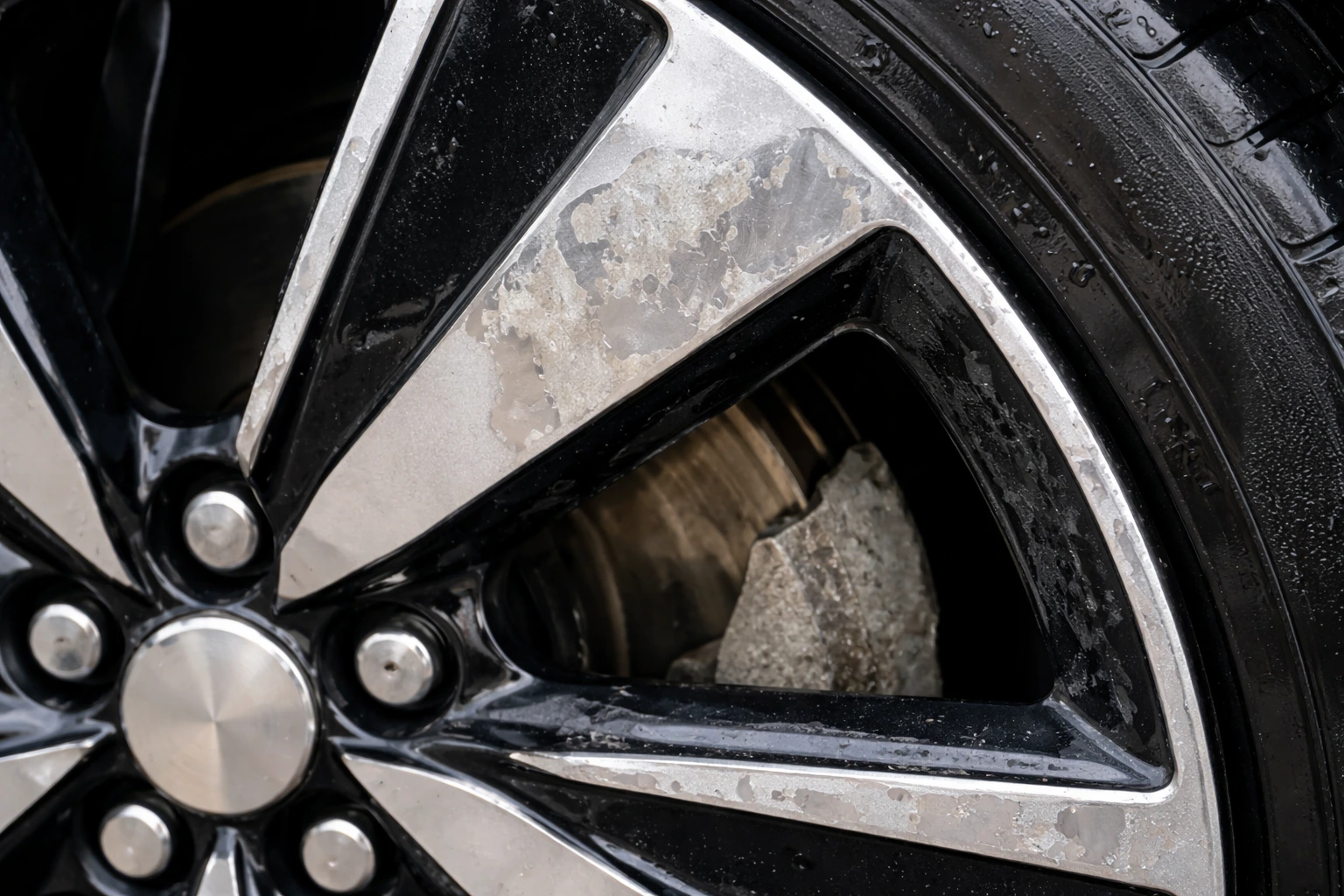
Diamond cut alloys are highly sensitive to:
- Moisture seepage
- Clear coat failure
- Corrosion under the surface
Once damaged, the finish spreads quickly.
Regular alloys:
- Hide scratches better
- Don’t corrode as visibly
- Can be repainted easily
This is one of the biggest long-term differences in diamond cut alloy wheels vs regular alloys ownership.
Repair Reality in Mumbai Workshops
At Wheels Repair Sales, we see a pattern:
Diamond cut alloy repairs often require:
- CNC re-cutting
- Complete face refinishing
- Higher cost
- Longer repair time
Regular alloy repairs usually involve:
- Straightening
- Simple repainting
- Faster turnaround
From a repair perspective, diamond cut alloy wheels vs regular alloys have very different ownership costs.
Cost of Ownership: Beyond Purchase Price
Initial cost isn’t the full story.
Diamond cut alloy wheels:
- Higher repair costs
- More frequent refinishing
- Sensitive to minor damage
Regular alloys:
- Lower maintenance cost
- Fewer cosmetic repairs
- Better for rough use
In real-world diamond cut alloy wheels vs regular alloys comparison, long-term expenses matter more than showroom appeal.
Driving Comfort and Handling Differences
Both wheel types offer similar performance when new. Over time:
Damaged diamond cut alloys can cause:
- Steering vibration
- Wheel imbalance
- Uneven tyre wear
Regular alloys maintain balance longer after minor impacts.
This handling difference becomes noticeable in diamond cut alloy wheels vs regular alloys ownership after a few years.
Monsoon Impact: A Major Deciding Factor
Mumbai’s monsoon is harsh on wheels.
Diamond cut alloys:
- Prone to moisture entry
- Finish damage spreads fast
Regular alloys:
- Better sealed surfaces
- Less corrosion risk
For monsoon-heavy cities, diamond cut alloy wheels vs regular alloys is a serious durability decision.
Ownership Experience: Who Should Choose What?
Choose diamond cut alloys if:
- You prioritize premium looks
- You drive carefully
- You’re ready for higher maintenance
Choose regular alloys if:
- You drive daily in traffic
- Roads are unpredictable
- You want lower repair stress
Understanding diamond cut alloy wheels vs regular alloys helps align expectations with reality.

One Table: Diamond Cut vs Regular Alloys
| Factor | Diamond Cut Alloy Wheels | Regular Alloy Wheels |
|---|---|---|
| Appearance | Premium, glossy | Simple, clean |
| Repair Cost | High | Moderate |
| Monsoon Resistance | Low | Better |
| Repair Frequency | Higher | Lower |
| Long-Term Durability | Sensitive | More forgiving |
FAQs: Diamond Cut vs Regular Alloys
Are diamond cut alloy wheels bad for Mumbai roads?
Not bad, but they require more care and maintenance.
Do regular alloys last longer?
In daily Mumbai conditions, yes.
Can diamond cut alloys be repaired multiple times?
Limited times; repeated cuts reduce wheel life.
Which is safer long-term?
Regular alloys offer more consistent durability.
Final Verdict: Real Ownership Matters
The decision between diamond cut alloy wheels vs regular alloys isn’t about which looks better—it’s about which suits Mumbai life better. Premium wheels need premium care. Practical wheels offer peace of mind.
At Wheels Repair Sales, we help owners maintain both types safely and professionally, based on real-world usage—not showroom promises.
Author Information
Author: Areef Shaikh
Last Updated: February 2026
Category: Alloy Wheels & Vehicle Ownership
Social Media: Instagram | @wheelsrepairsales