Alloy Wheel Repair enhance your vehicle’s appearance, improve handling, reduce weight, and contribute to better fuel efficiency. However, daily driving exposes them to potholes, curb impacts, road debris, and uneven road surfaces that can cause both cosmetic and structural damage.
One of the most common questions car owners ask after wheel damage is, “Is my alloy wheel safe to repair, or should it be replaced?“ The answer depends on several factors, including the type of damage, its severity, the wheel’s structural condition, and whether professional repair can restore it safely.
Many damaged wheels can be repaired successfully, but not every wheel should be. Understanding the warning signs and the professional inspection process can help you make an informed decision.
If you’re considering Alloy Wheel Repair, this guide explains how experts determine whether a damaged wheel is safe to restore and when replacement is the better option.
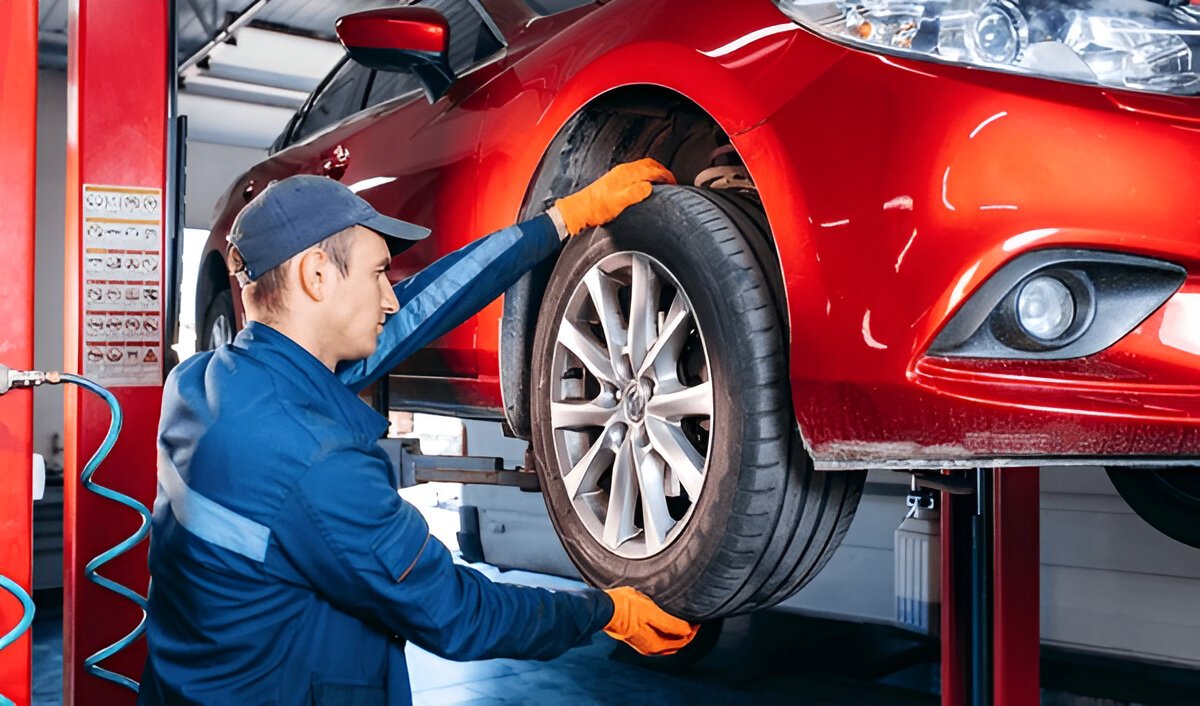
Why Professional Inspection Is Essential
A professional inspection determines whether the wheel can be repaired safely without compromising structural integrity.
Damage is not always visible from the outside. Small cracks, hidden bends, or internal stress can affect wheel safety.
During an inspection, technicians check:
- Wheel runout
- Crack location
- Bend severity
- Metal fatigue
- Corrosion
- Previous repair history
- Structural integrity
A proper inspection is the first step before any Alloy Wheel Repair begins.
Common Types of Alloy Wheel Damage
Understanding the type of damage helps determine whether repair is possible.
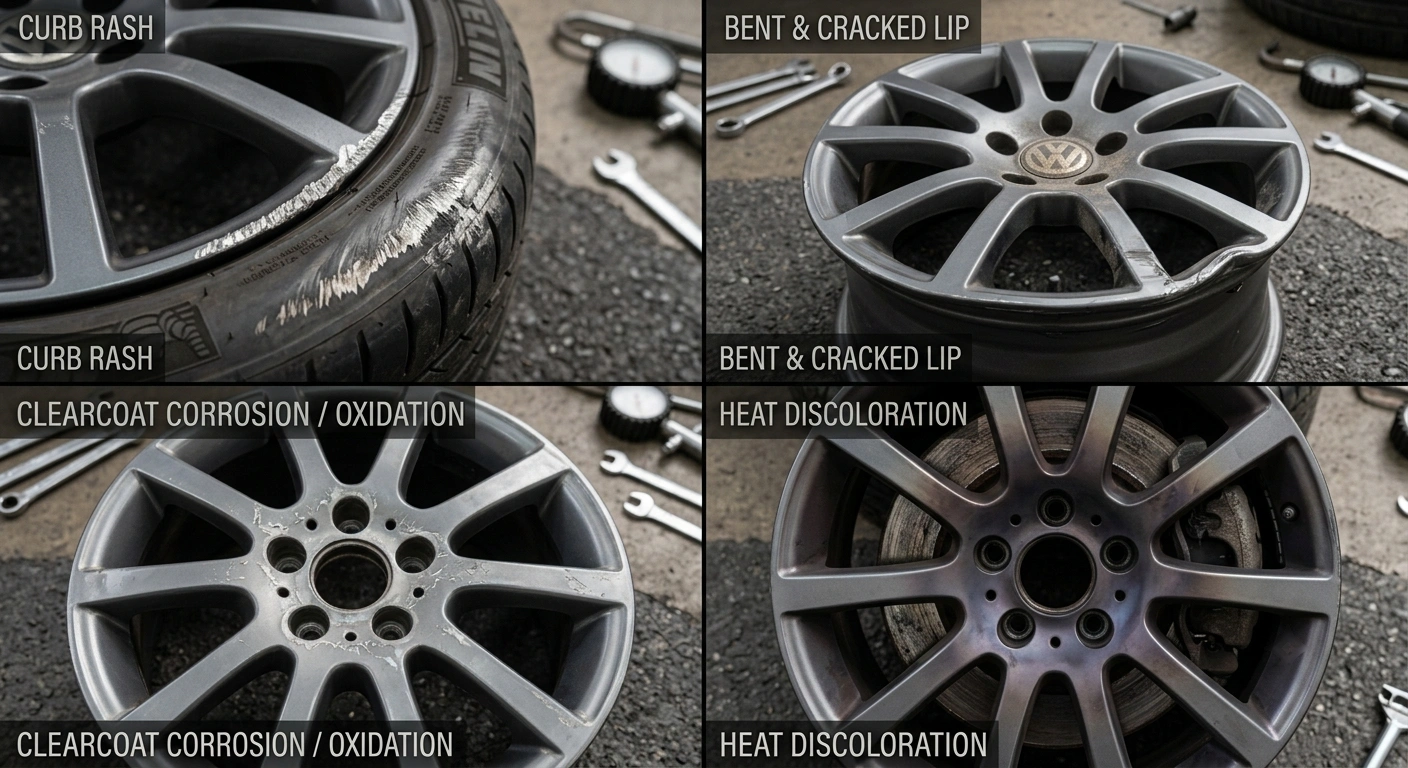
The most common types include:
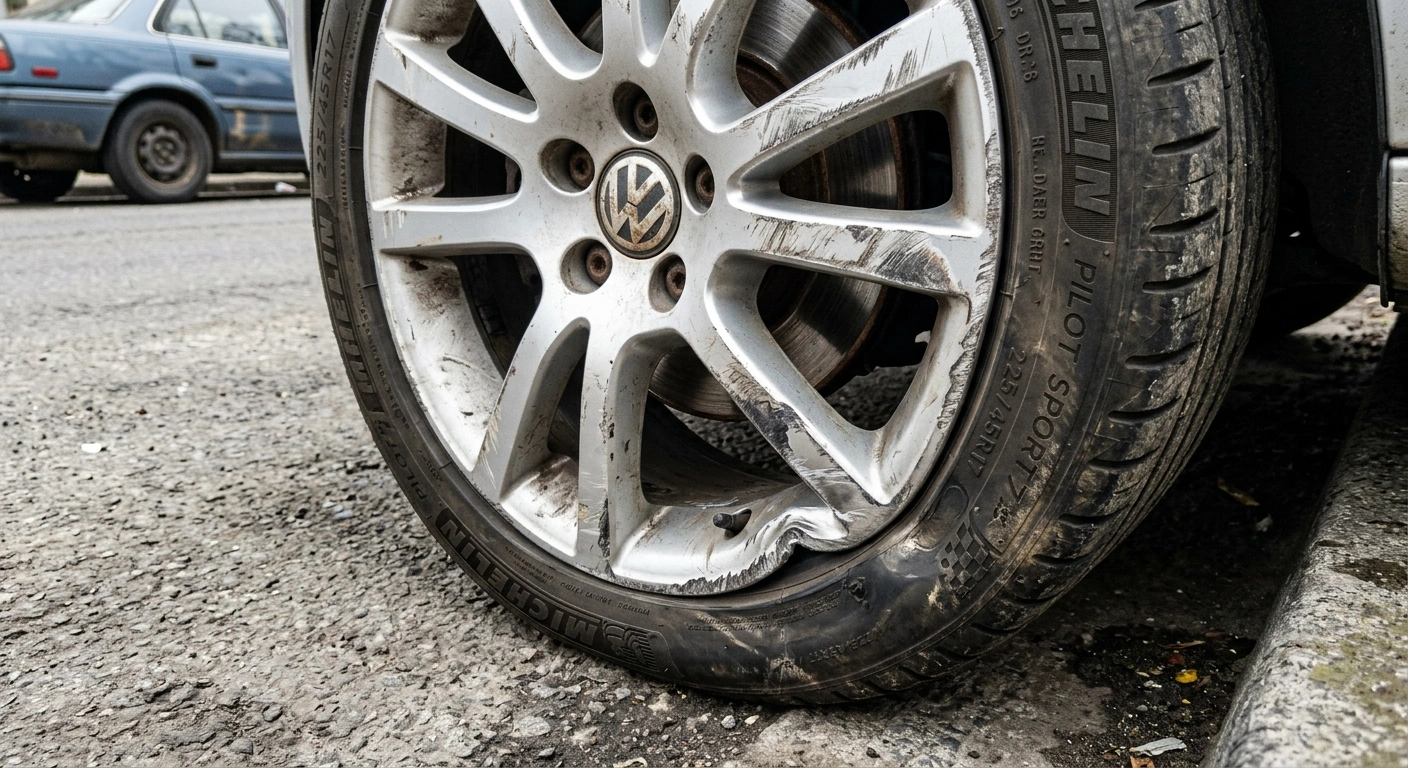
Bent Wheels
Usually caused by potholes or hard impacts.
Cracks
Often result from severe road impacts or accidents.
Curb Rash
Cosmetic scratches caused by contact with curbs.
Corrosion
Oxidation caused by moisture and environmental exposure.
Warped Wheels
Loss of the original wheel shape after repeated impacts.
Many of these issues can be corrected through professional Alloy Wheel Repair if the structural condition allows.
When an Alloy Wheel Is Usually Safe to Repair
Minor cosmetic damage and moderate structural issues are often repairable.
Professional repair is generally possible when the wheel has:
- Minor bends
- Cosmetic scratches
- Light curb rash
- Surface corrosion
- Paint damage
- Small localized cracks (where appropriate)
- Minor deformation
Modern repair equipment allows technicians to restore many wheels safely while maintaining performance.
When an Alloy Wheel Is NOT Safe to Repair
Severe structural damage usually requires replacement rather than repair.
Replacement is often recommended if the wheel has:
- Large structural cracks
- Broken wheel sections
- Severe deformation
- Multiple cracks
- Significant metal fatigue
- Extensive corrosion
- Numerous previous repairs
Attempting Alloy Wheel Repair on severely weakened wheels may compromise vehicle safety.
How Professionals Decide If a Wheel Is Repairable
Specialized equipment helps technicians evaluate structural integrity before recommending repairs.
Technicians inspect:
Crack Location
Cracks near spokes or mounting surfaces are generally more serious.
Wheel Runout
Precision equipment measures whether the wheel remains perfectly round.
Material Thickness
Weak or excessively worn metal may not support safe repairs.
Repair History
Repeated welding or straightening may reduce long-term reliability.
Only after these evaluations do professionals recommend Alloy Wheel Repair.
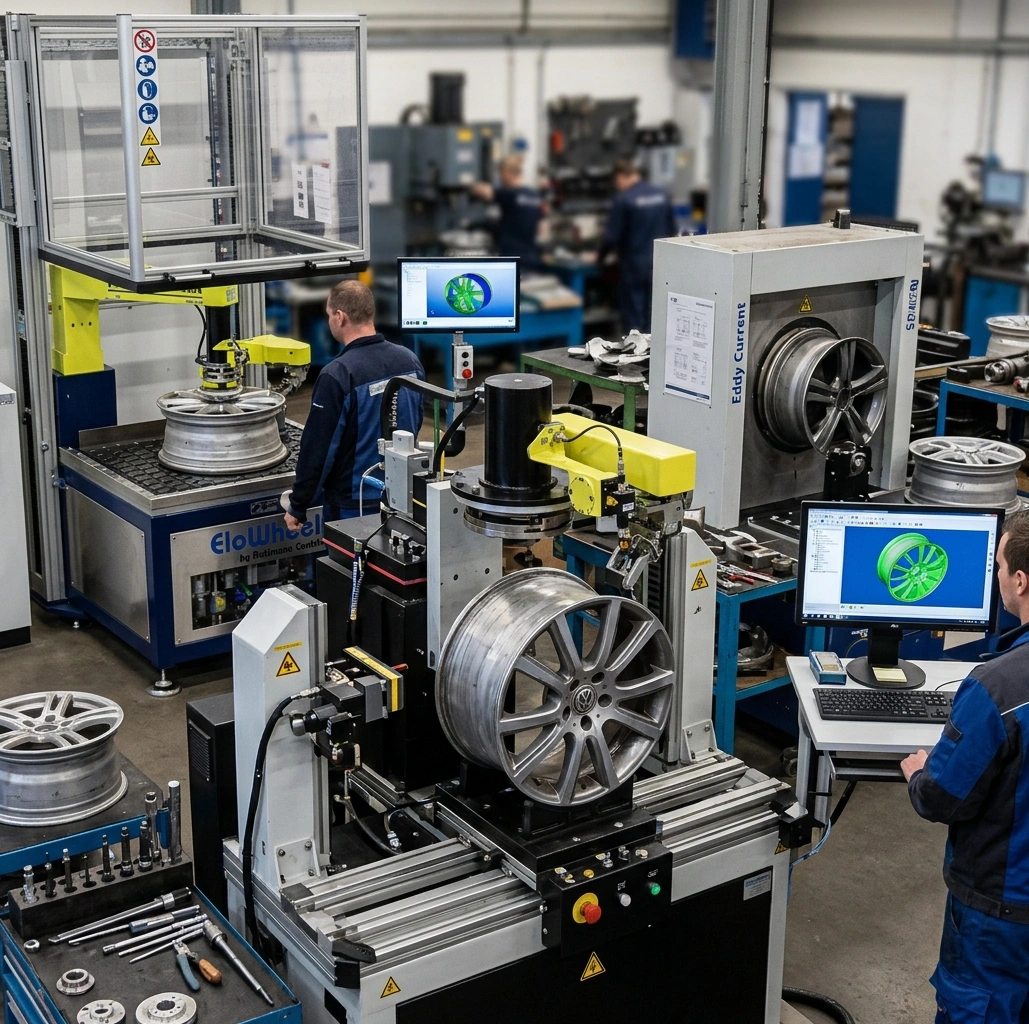
What Happens During Professional Alloy Wheel Repair?
Professional repairs include inspection, straightening, welding, refinishing, balancing, and quality testing.
Typical repair steps include:
- Structural inspection
- Wheel straightening
- Crack repair (when appropriate)
- Surface refinishing
- Corrosion removal
- Powder coating or painting
- Precision wheel balancing
- Final safety inspection
These procedures restore both appearance and driving performance whenever safely possible.
Benefits of Repairing a Safe Alloy Wheel
Repairing a structurally sound wheel provides many benefits.
Cost Savings
Repair is usually less expensive than replacement.
Improved Safety
Proper repairs restore wheel balance and handling.
Better Ride Quality
Balanced wheels reduce steering vibration.
Longer Tire Life
Correct wheel geometry minimizes uneven wear.
Restored Appearance
Professional refinishing improves resale value and aesthetics.
These advantages make Alloy Wheel Repair a practical solution for many vehicle owners.
Why You Should Avoid DIY Wheel Repairs
DIY repairs cannot restore structural integrity or verify wheel safety.
DIY methods may hide cosmetic damage but cannot repair internal structural issues.
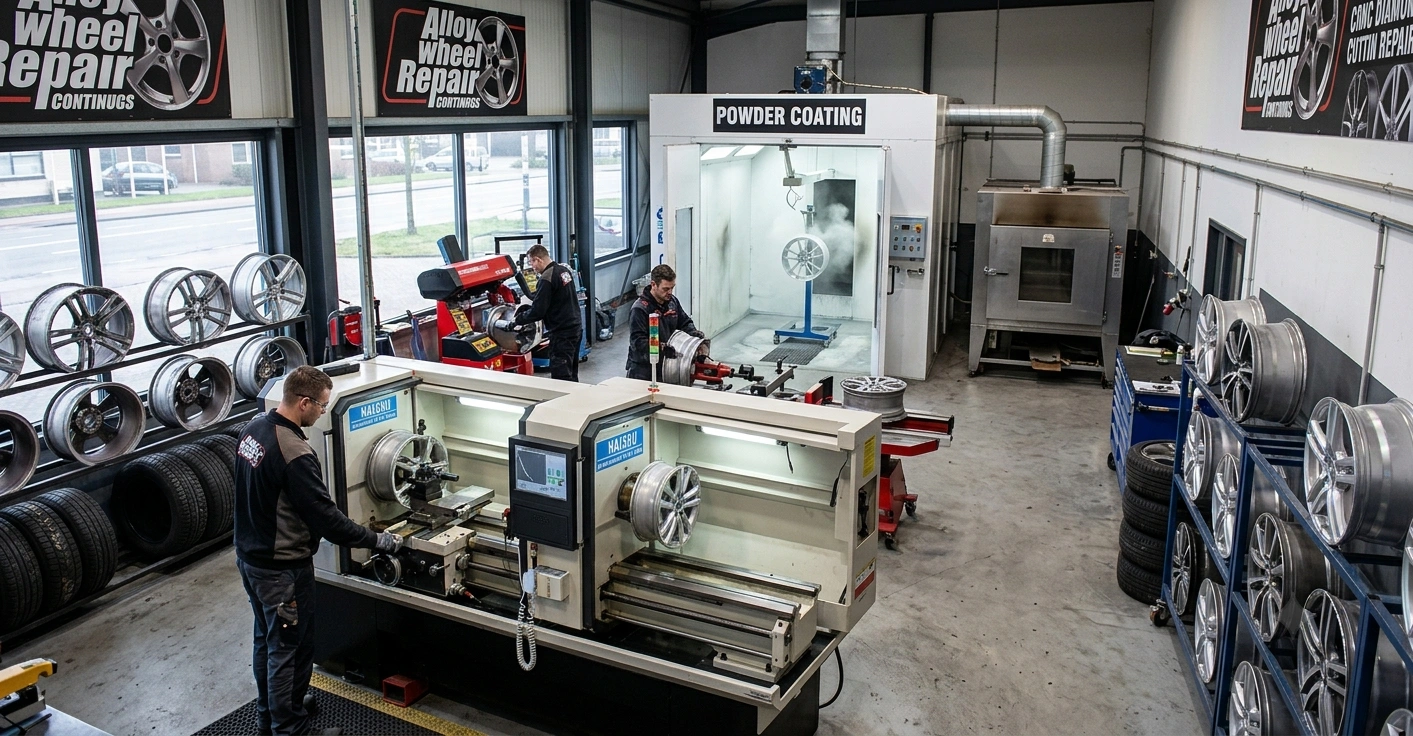
Professional workshops provide:
- Hydraulic straightening equipment
- Precision welding
- Wheel balancing
- Structural inspections
- Professional refinishing
- Safety testing
Choosing experienced specialists ensures Alloy Wheel Repair meets industry standards.
Tips to Keep Alloy Wheels in Good Condition
Preventive maintenance helps reduce future repair costs.
Helpful Tips
- Maintain proper tire pressure.
- Avoid potholes whenever possible.
- Drive carefully over speed breakers.
- Park cautiously near curbs.
- Wash wheels regularly.
- Inspect wheels after hard impacts.
- Balance and align wheels periodically.
These simple habits help extend the lifespan of your alloy wheels.
Not every damaged alloy wheel needs replacement. Many wheels with minor bends, scratches, curb rash, corrosion, and localized damage can be safely restored using professional repair techniques.
The key is a thorough inspection by experienced technicians who can evaluate structural integrity before recommending repairs.
Attempting to repair wheels with severe cracks, major deformation, or significant structural damage can compromise vehicle safety.
If you suspect wheel damage, professional Alloy Wheel Repair offers the safest way to determine whether your wheel can be restored while maintaining reliable performance and appearance.
Frequently Asked Questions
Q1. Can every alloy wheel be repaired?
No. Minor cosmetic and moderate structural damage can often be repaired, while severe structural damage usually requires replacement.
Q2. Can cracked alloy wheels be repaired?
Some localized cracks may be repairable depending on their size and location. Extensive structural cracks generally require replacement.
Q3. Is a bent alloy wheel safe to repair?
Yes. Many bent wheels can be professionally straightened using specialized hydraulic equipment.
Q4. How do professionals inspect damaged wheels?
Technicians examine wheel runout, crack location, material thickness, corrosion, and previous repairs before recommending repair.
Q5. Is alloy wheel repair safe?
When performed by experienced technicians using professional equipment, repair is a safe solution for eligible wheel damage.
Author Information
Author: Areef Shaikh
Last Updated: July 2026
Category: Aluminum Wheel Restoration & Maintenance
Social Media: Instagram – @wheelsrepairsales