You fill your tyre with air in the morning, everything looks normal, and then a few days later the pressure has dropped again. For many drivers, the first thought is a puncture. But what if the tyre itself is perfectly fine?
A damaged rim can sometimes be responsible for slow tyre pressure loss. Bends, corrosion, cracks, or damage around the tyre bead area may prevent the tyre from sealing properly against the wheel. Instead of causing an immediate flat tyre, the problem may allow small amounts of air to escape gradually.
This issue can be especially frustrating for drivers who regularly encounter potholes, broken road surfaces, sharp speed breakers, and construction zones. Professional Damaged Rim Repair in Mumbai can help identify whether the wheel is contributing to repeated pressure loss and determine whether repair or replacement is appropriate.
This guide explains why damaged rims may cause air leaks, the warning signs to watch for, how professionals diagnose the problem, and when your wheel should be inspected.
Can a Damaged Rim Really Cause Slow Tyre Pressure Loss?
Yes. A bent, cracked, corroded, or damaged rim can interfere with the airtight seal between the tyre bead and wheel, potentially causing gradual pressure loss.
A properly installed tyre creates an airtight seal where its bead meets the rim. If this contact area becomes distorted or damaged, small gaps may develop.
Air can then escape slowly.
The tyre may look normal immediately after inflation but gradually lose pressure over several days or weeks.
If repeated inflation does not solve the problem, professional Damaged Rim Repair in Mumbai can help determine whether the rim is responsible.
How Does a Rim Become Damaged?
Strong impacts, corrosion, curb contact, and repeated exposure to rough roads are common causes of rim damage.
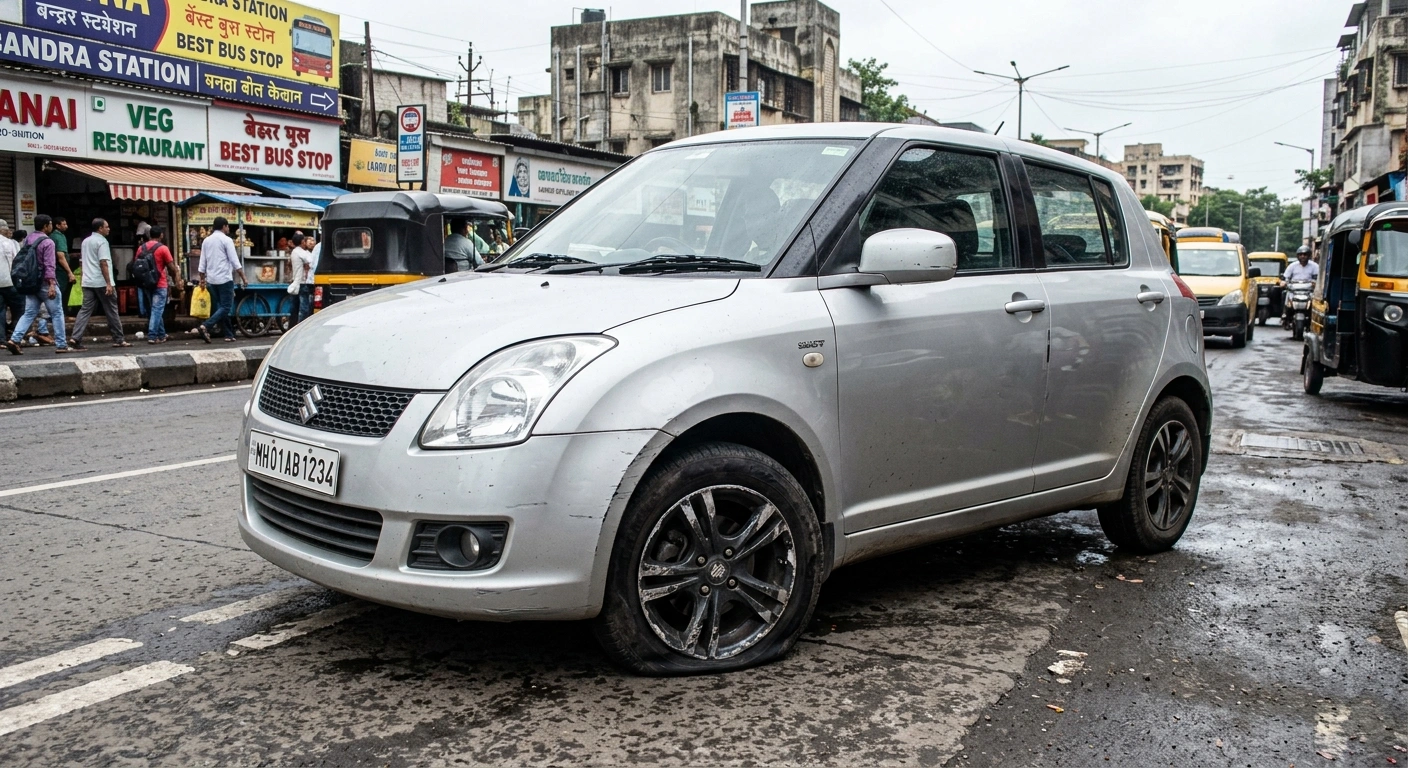
Mumbai driving conditions can expose wheels to significant impacts. A deep pothole hit at speed can transfer considerable force through the tyre directly into the wheel.
Common causes include:
- Pothole impacts
- Hitting curbs
- Driving over broken roads
- Incorrect tyre pressure
- Road debris
- Corrosion around the rim
- Previous improper repairs
- Accidental wheel impacts
Not every impact produces obvious damage. A small bend may be difficult to notice visually but can still affect the tyre’s seal.
How Does Rim Damage Cause Air Leakage?
Rim damage can create an imperfect seal between the tyre bead and wheel, allowing compressed air to escape gradually.
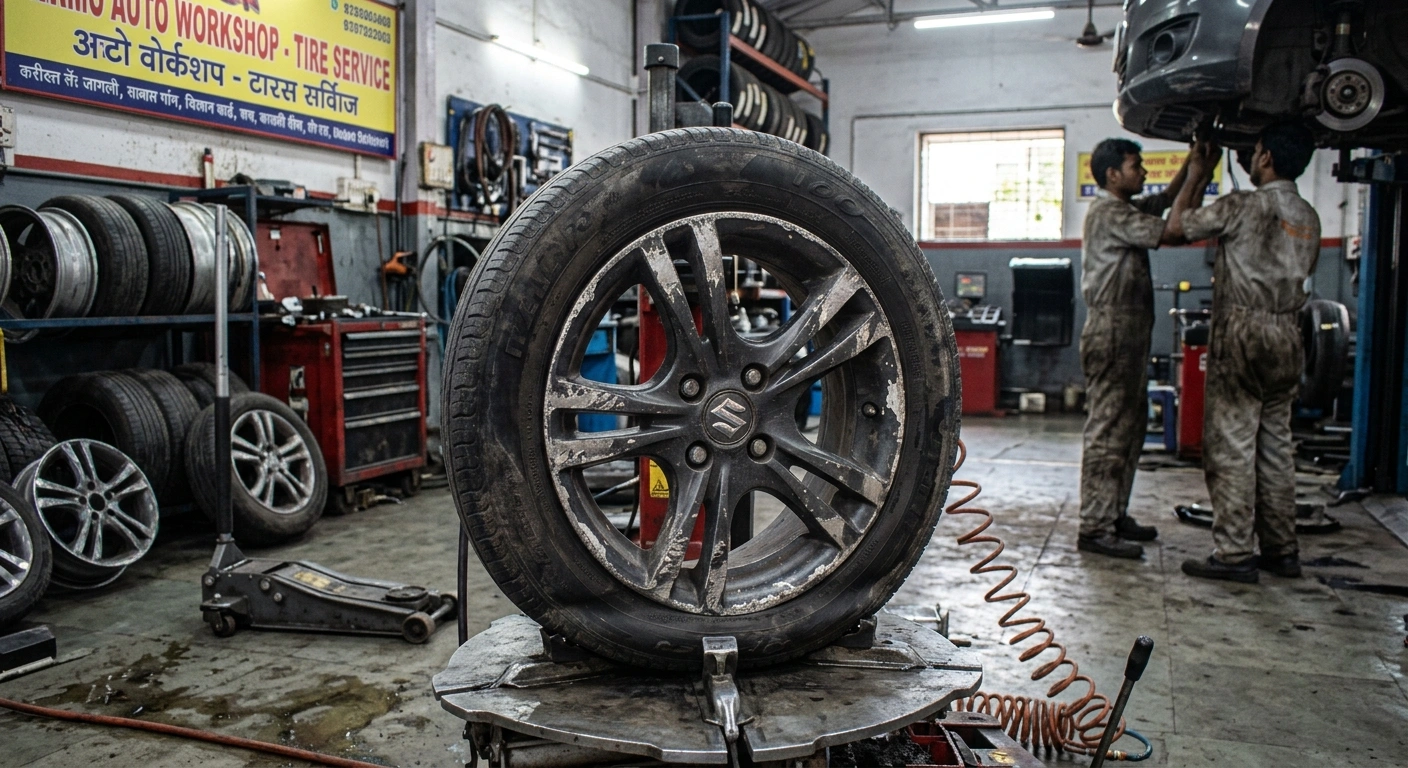
The tyre bead must sit evenly against the wheel’s bead seat. When that area becomes bent, corroded, or distorted, the seal may no longer remain completely airtight.
Bent Rim Edge
A bent rim can create a tiny gap between the tyre and wheel.
Bead Seat Damage
Damage where the tyre contacts the rim may interfere with proper sealing.
Corrosion
Oxidation around the wheel’s sealing surface can create an uneven contact area.
Cracks
Certain cracks may allow air to escape directly through the wheel itself.
These are some of the issues technicians investigate during Damaged Rim Repair in Mumbai.
Warning Signs Your Rim May Be Causing Pressure Loss
Repeated tyre pressure loss without an obvious puncture is one of the strongest reasons to inspect the rim and tyre assembly professionally.
Watch for signs such as:
- One tyre repeatedly losing pressure
- Frequent need to add air
- TPMS warning appearing regularly
- Visible wheel bends
- Steering vibration
- Vehicle pulling to one side
- Uneven tyre wear
- Air leakage around the bead area
- Recent pothole impact
These symptoms do not automatically mean the rim is damaged. Tyre punctures, valve leaks, temperature changes, and other problems can produce similar symptoms.
A proper inspection is therefore essential.
How Professionals Diagnose a Slow Tyre Leak
Technicians inspect the tyre, valve, bead area, and wheel to locate the actual source of pressure loss before recommending repair.
A professional inspection may include:
- Checking tyre pressure
- Inspecting the tread for punctures
- Examining the tyre sidewall
- Testing the valve and valve core
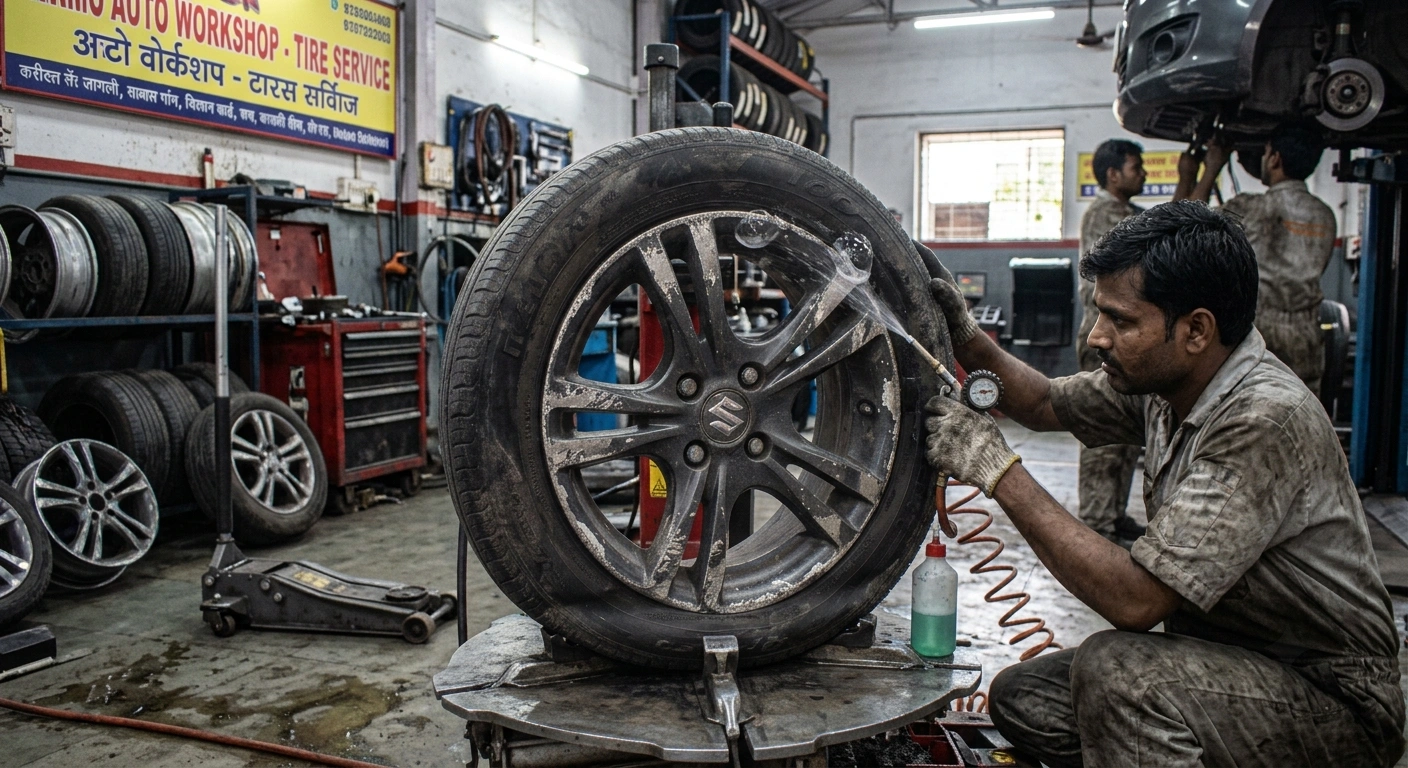
- Inspecting the wheel for bends
- Checking the tyre bead
- Examining the rim for corrosion
- Testing suspected areas for air leakage
The objective of Damaged Rim Repair in Mumbai should not simply be to repair the wheel. The first priority is determining why pressure is being lost.
Can a Bent Rim Be Repaired?
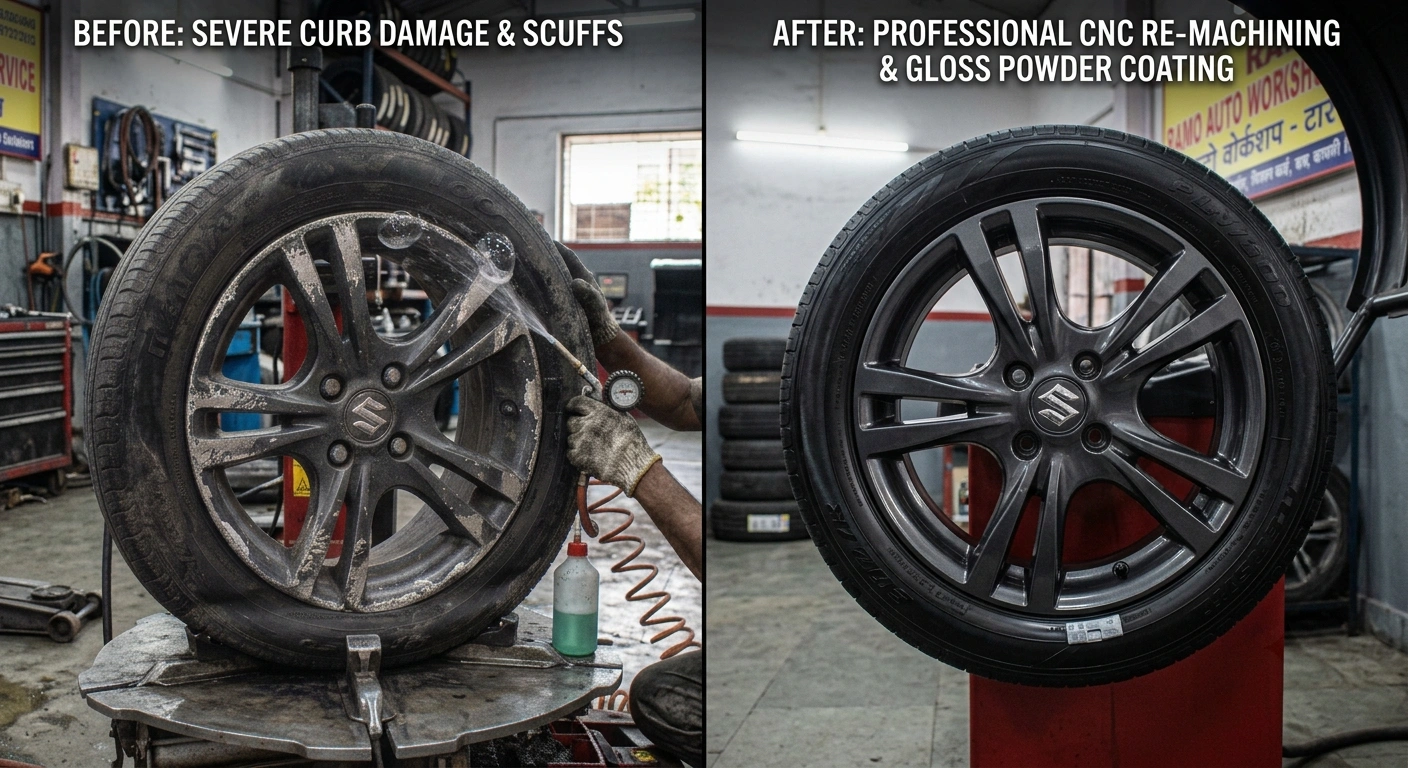
Many minor or moderate rim bends may be repairable, but the decision depends on the wheel material, location of damage, severity, and structural condition.
Professional wheel straightening equipment can sometimes restore a bent rim closer to its correct geometry.
However, not every wheel should be repaired.
Technicians should consider:
- Depth of the bend
- Location of damage
- Number of damaged areas
- Wheel material
- Existing cracks
- Previous repairs
- Overall structural integrity
Professional Damaged Rim Repair in Mumbai should always begin with a safety assessment rather than assuming every damaged wheel can be restored.
When Should a Damaged Rim Be Replaced Instead?
Replacement may be safer when the wheel has severe structural damage that cannot be reliably restored.
A professional may recommend replacement when there is:
- Severe deformation
- Extensive cracking
- Multiple structural damage points
- Significant material loss
- Serious damage around critical mounting areas
- Evidence of repeated unsuccessful repairs
The safest option depends on the individual wheel.
A cosmetic problem and a structural problem should never be treated as the same thing.
Why Timely Rim Repair Matters
Ignoring slow pressure loss can create additional problems.
A tyre operating below its recommended pressure may experience:
- Increased heat generation
- Reduced handling precision
- Uneven tread wear
- Higher rolling resistance
- Reduced fuel efficiency
- Greater tyre stress
Correcting the underlying wheel problem through professional Damaged Rim Repair in Mumbai can help restore a reliable tyre-to-rim seal when the rim is confirmed as the cause.
Regularly adding air without identifying the source only treats the symptom.
Can Low Tyre Pressure Damage Other Vehicle Components?
Persistent underinflation can affect tyre wear, handling, braking behaviour, fuel efficiency, and overall driving stability.
Correct tyre pressure helps the tyre maintain its intended shape and contact patch.
When pressure becomes too low, the tyre may flex excessively. This can increase heat and change how the vehicle responds during steering, cornering, and braking.
Drivers should therefore investigate repeated pressure loss rather than continuously refilling the tyre.
If wheel damage is responsible, Damaged Rim Repair in Mumbai may address the underlying cause.
Can Rim Damage Affect Ride Comfort Too?
Yes. A bent or distorted rim can sometimes cause vibration, poor balance, uneven tyre wear, and reduced ride comfort.
Wheel problems may be felt through:
- Steering wheel vibration
- Seat or cabin vibration
- Poor high-speed stability
- Increased road noise
- Reduced cornering confidence
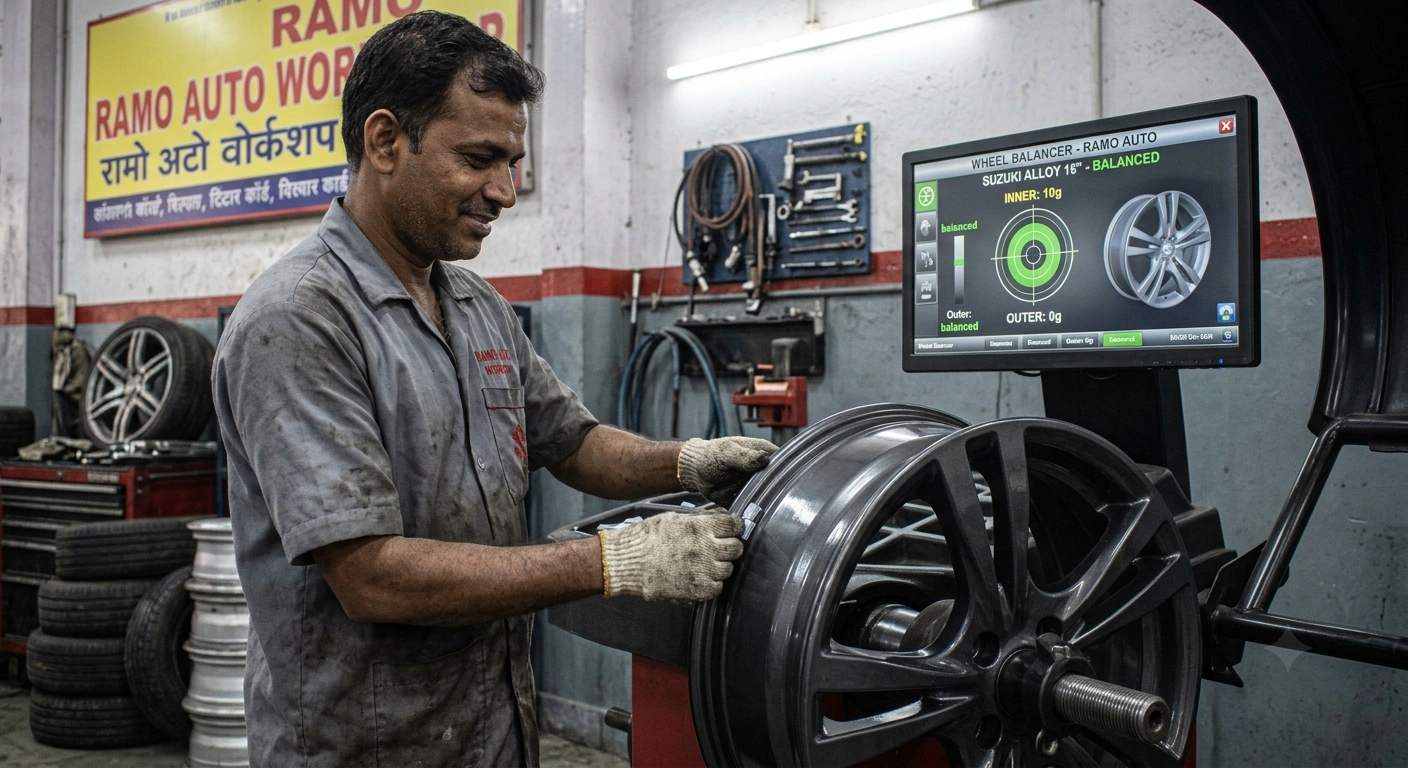
Repairing the wheel and balancing the complete wheel-and-tyre assembly can help restore smoother operation when wheel damage is the cause.
Why Wheel Balancing Is Important After Rim Repair
After a wheel has been repaired and the tyre is installed, the assembly should be checked for proper balance where appropriate.
Correct balancing can help:
- Reduce vibration
- Improve ride comfort
- Promote even tyre wear
- Improve steering feel
- Reduce unnecessary stress on suspension components
Quality Damaged Rim Repair in Mumbai should focus on the complete wheel’s functional condition rather than appearance alone.
What Should You Do After Hitting a Pothole?
A hard pothole impact does not always create immediate symptoms. Some problems become noticeable later.
After a significant impact:
- Inspect the tyre sidewall.
- Check the rim for visible bends.
- Monitor tyre pressure.
- Pay attention to new vibrations.
- Notice whether the vehicle pulls to one side.
- Have the wheel inspected if something feels different.
Early inspection can identify minor problems before they contribute to additional tyre or suspension wear.
How to Choose a Professional Rim Repair Service
Not every workshop has the equipment or experience required to assess damaged wheels correctly.
Look for a service provider that offers:
Detailed Inspection
The technician should inspect both the wheel and tyre rather than assuming the source of the leak.
Professional Equipment
Wheel straightening and balancing require accurate equipment.
Structural Assessment
Safety should take priority over cosmetic appearance.
Transparent Recommendations
A reputable workshop should tell you when repair is appropriate and when replacement is safer.
Choosing experienced Damaged Rim Repair in Mumbai can help ensure the actual cause of pressure loss is diagnosed rather than temporarily masked.
How to Reduce the Risk of Future Rim Damage
Rim damage cannot always be avoided, but good driving and maintenance habits can reduce the risk.
Helpful Tips
- Maintain manufacturer-recommended tyre pressure.
- Slow down before rough road sections.
- Avoid potholes where safely possible.
- Do not drive aggressively over speed breakers.
- Avoid hitting curbs while parking.
- Inspect wheels periodically.
- Address steering vibrations quickly.
- Check tyre pressure regularly.
Preventive maintenance can extend the life of your wheels, tyres, and suspension components.

A tyre that repeatedly loses pressure should never be ignored. While punctures and faulty valves are common causes, a damaged rim can also create a slow leak by preventing the tyre bead from sealing correctly.
Bent wheel edges, corrosion, bead-seat damage, and certain cracks can all contribute to gradual pressure loss. A professional inspection is the best way to identify the actual cause and determine whether the wheel can be safely repaired.
Choosing professional Damaged Rim Repair in Mumbai can help restore proper wheel geometry and sealing when the rim is repairable, while also identifying situations where replacement is the safer choice.
Instead of repeatedly filling a leaking tyre, investigate why the pressure keeps dropping. Finding the root cause can protect your tyre, improve driving comfort, and help keep your vehicle safer on Mumbai’s roads.
Frequently Asked Questions
Q1. Can a bent rim cause slow tyre pressure loss?
Yes. A bent rim may prevent the tyre bead from sealing evenly against the wheel, allowing air to escape gradually.
Q2. Why does my tyre lose air when there is no puncture?
Possible causes include a faulty valve, bead leak, temperature changes, wheel corrosion, or rim damage. A professional inspection can identify the source.
Q3. Can rim corrosion cause tyre leakage?
Yes. Corrosion around the bead-seat area can create an uneven surface that interferes with the tyre’s airtight seal.
Q4. Can a damaged rim always be repaired?
No. Repairability depends on the location, type, and severity of damage. Severely compromised wheels may require replacement.
Q5. Should I keep driving if my tyre repeatedly loses pressure?
Repeated pressure loss should be investigated promptly. Driving with an underinflated tyre can affect handling and accelerate tyre wear.
Author Information
Author: Areef Shaikh
Last Updated: July 2026
Category: Rim Repair & Tyre Maintenance
Social Media: Instagram – @wheelsrepairsales