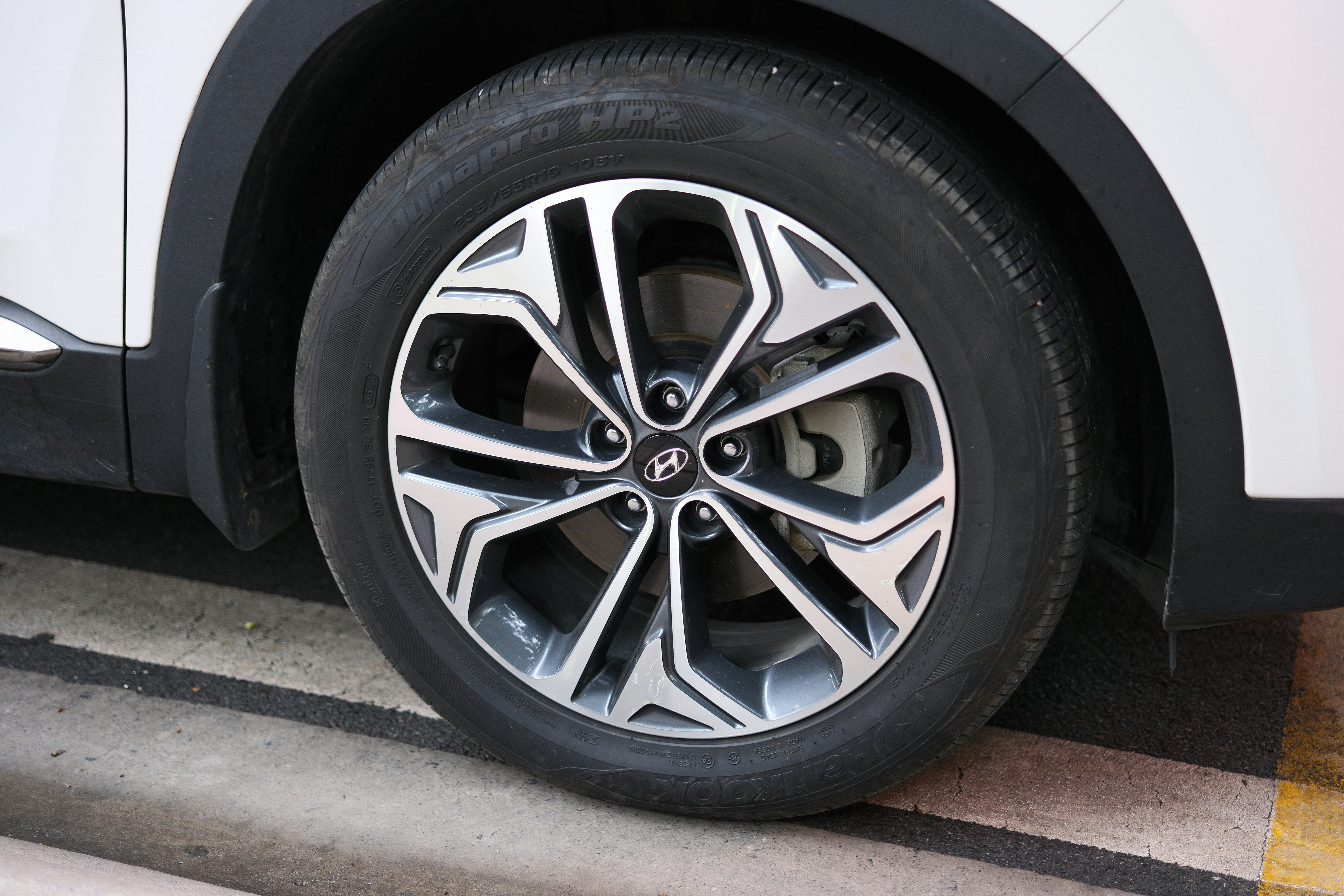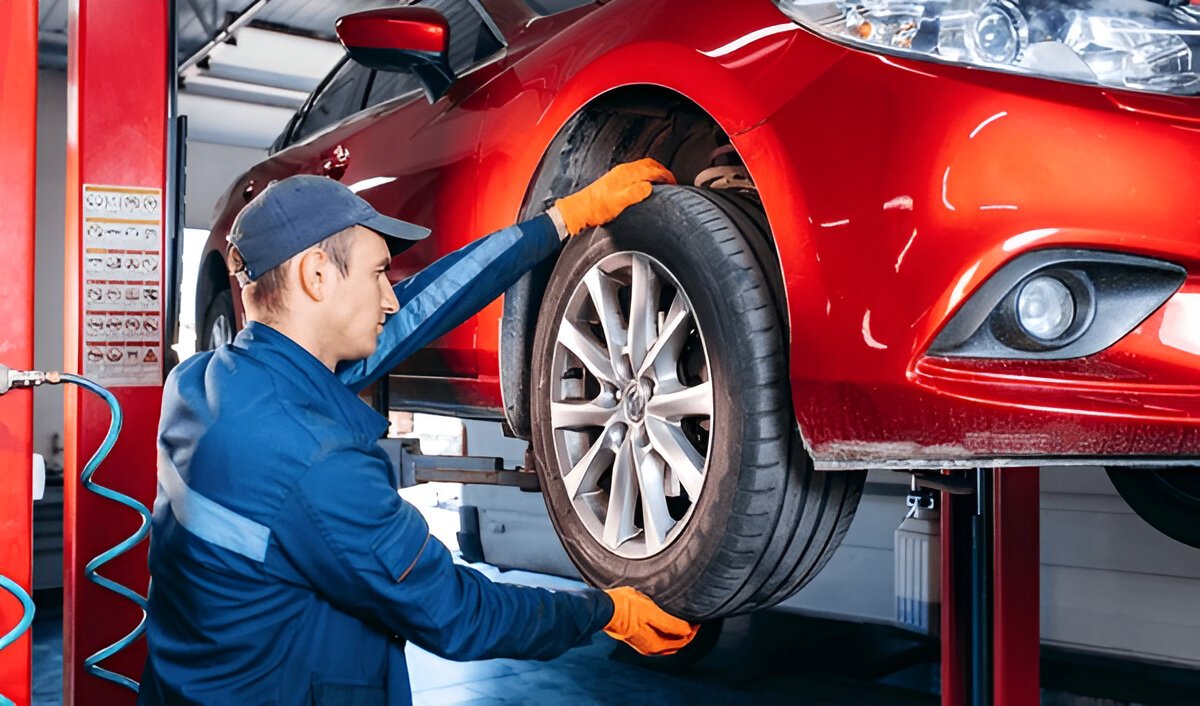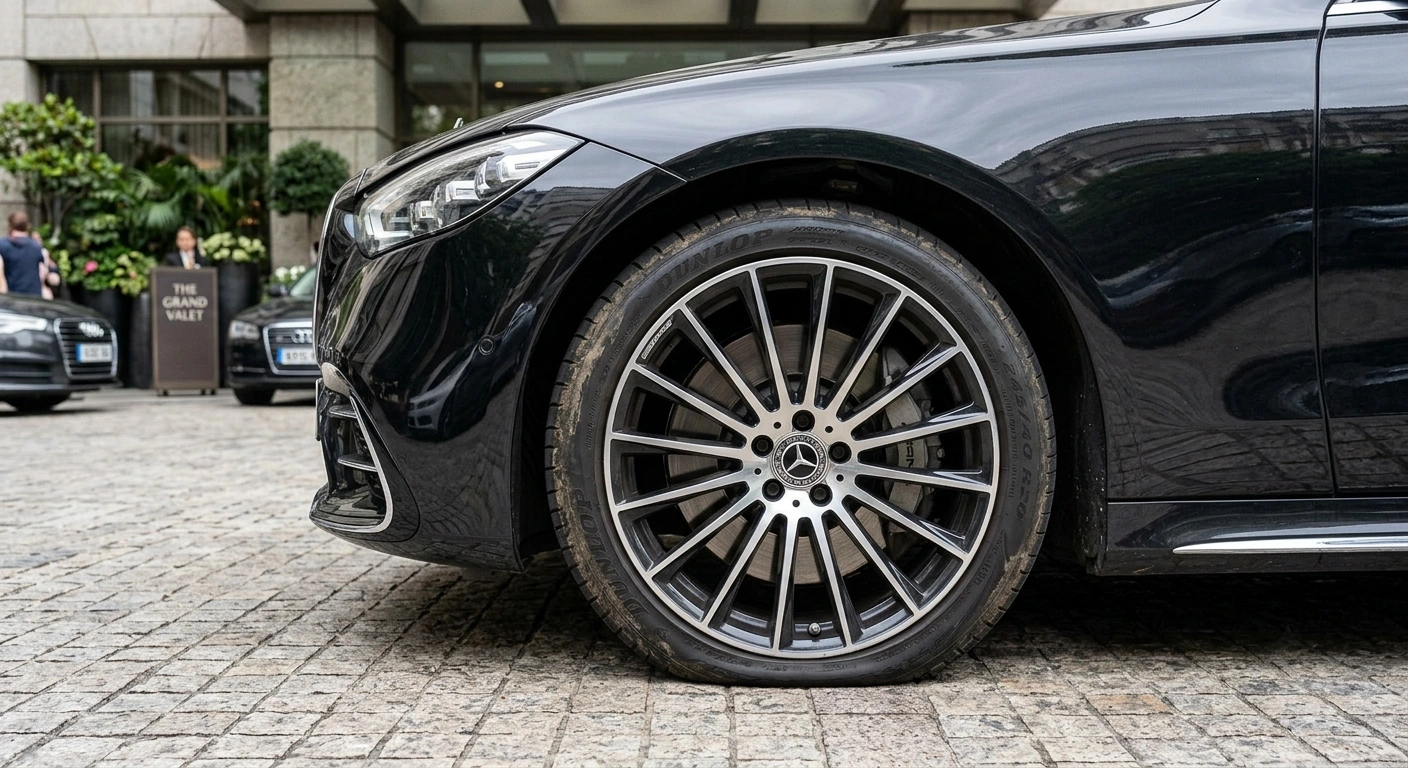
Have you ever noticed one tyre losing air every few days, even though there isn’t an obvious puncture? Many Mumbai drivers assume the tyre is damaged, but the real problem could be the wheel itself. A damaged or corroded diamond cut alloy wheel can sometimes cause slow tyre pressure loss by preventing the tyre from sealing correctly.
Diamond cut alloy wheels are popular because of their premium finish and stylish appearance. However, like any alloy wheel, they can become damaged after hitting potholes, speed breakers, curbs, or uneven roads. Even small bends, corrosion around the bead seat, or hairline cracks may allow air to escape gradually.
Unlike a puncture that causes rapid deflation, slow tyre pressure loss can continue unnoticed for days or weeks. This not only affects driving comfort but may also reduce fuel efficiency, accelerate tyre wear, and compromise vehicle handling.
Professional inspection is the best way to identify whether the tyre, valve, or wheel is responsible for the leak. Understanding Diamond Cut Alloy Wheel Tyre Pressure Loss helps drivers make informed maintenance decisions before a small problem becomes a costly repair.
This guide explains how diamond cut alloy wheels may contribute to slow air leaks, what warning signs to look for, and when professional wheel inspection is recommended.
What Are Diamond Cut Alloy Wheels?
Diamond cut alloy wheels are alloy wheels that receive a precision CNC-machined finish, creating a bright metallic surface combined with painted or coated sections.
Unlike conventional painted alloy wheels, diamond cut wheels undergo an additional machining process after painting.
They are valued for:
- Premium appearance
- Lightweight construction
- Improved heat dissipation
- Sporty styling
- Enhanced vehicle aesthetics
Although durable, these wheels are still vulnerable to impact damage and corrosion over time.
Can Diamond Cut Alloy Wheels Cause Slow Tyre Pressure Loss?
Yes. If a diamond cut alloy wheel becomes bent, cracked, or develops corrosion around the bead seat, it may allow air to escape slowly from the tyre.
The tyre remains inflated because its bead forms a tight seal against the wheel.
If this sealing surface becomes damaged, tiny gaps may form that allow gradual air leakage.
Professional diagnosis is essential because the leak could also originate from:
- A puncture
- Valve damage
- Tyre bead damage
- Wheel corrosion
- Wheel deformation
When investigating Diamond Cut Alloy Wheel Tyre Pressure Loss, technicians inspect the complete wheel-and-tyre assembly rather than assuming the tyre is at fault.
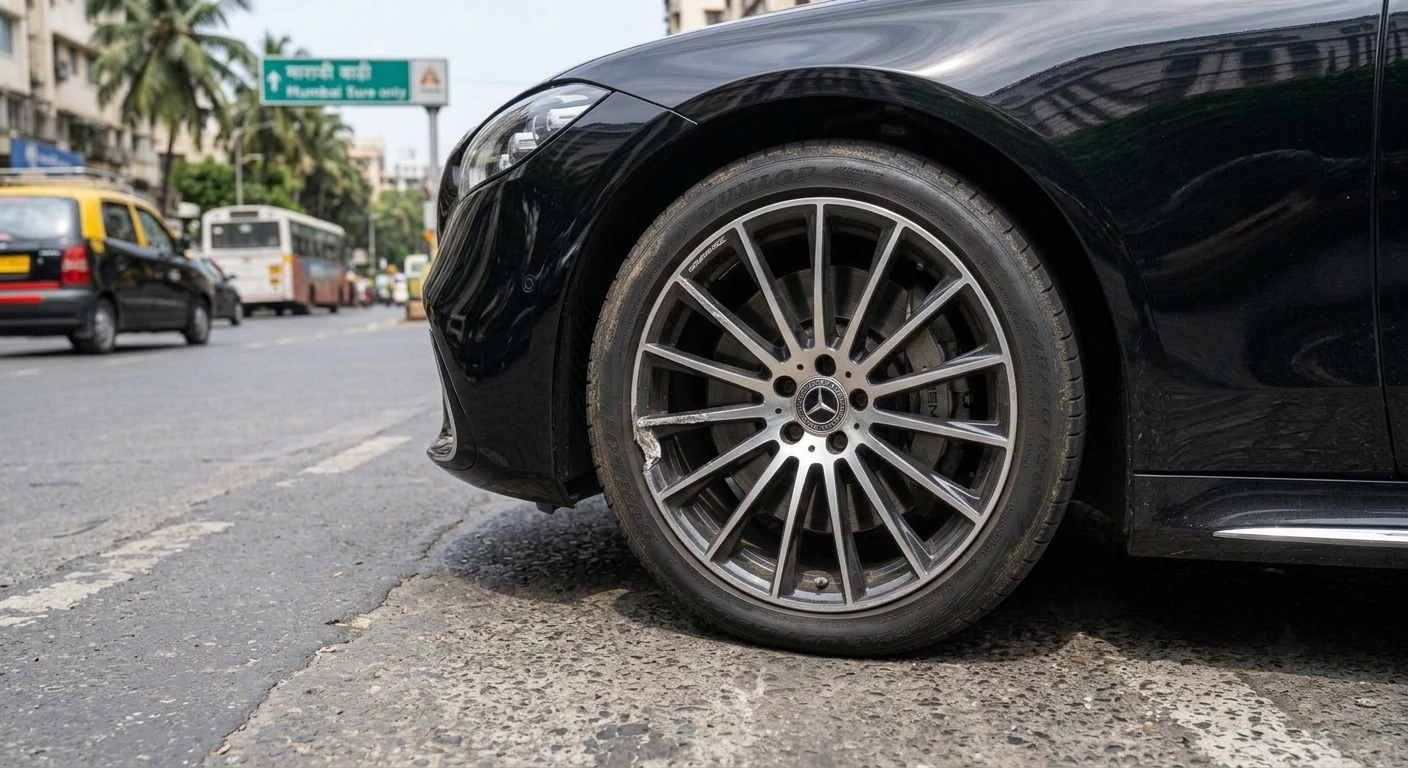
What Causes Air Leaks Around Diamond Cut Alloy Wheels?
Damage that affects the sealing surface between the tyre and wheel can create gradual air leaks.
Common causes include:
Bent Wheel Lip
A pothole impact may slightly distort the wheel edge.
Corrosion
Moisture and road contaminants can gradually affect the bead-seat area.
Hairline Cracks
Some structural cracks may allow compressed air to escape.
Bead Seat Damage
Damage where the tyre contacts the wheel may prevent a complete airtight seal.
Understanding these causes is important when diagnosing Diamond Cut Alloy Wheel Tyre Pressure Loss.
Warning Signs Your Wheel May Be Causing Pressure Loss
Repeated pressure loss without a clear puncture should always be professionally investigated.
Possible warning signs include:
- One tyre repeatedly loses pressure.
- Frequent TPMS warnings.
- Steering wheel vibration.
- Visible wheel damage.
- Air loss every few days.
- Uneven tyre wear.
- Vehicle pulling slightly to one side.
- Recent pothole or curb impact.
These symptoms do not always confirm wheel damage, but they justify a detailed inspection.
How Professionals Diagnose Slow Tyre Pressure Loss
Professional inspection identifies the true source of the leak before recommending repair or replacement.
A technician may perform:
- Tyre pressure testing
- Valve inspection
- Tread examination
- Sidewall inspection
- Bead-seat inspection
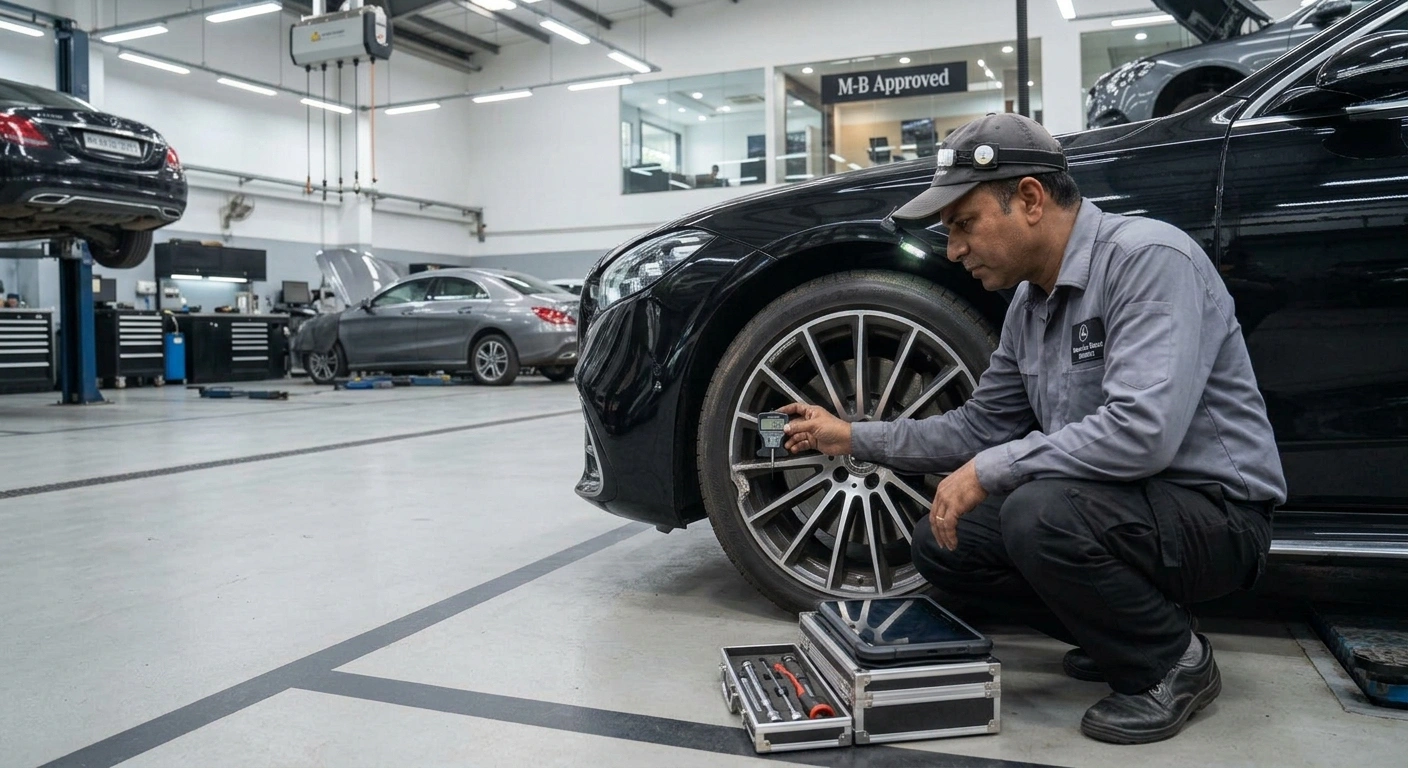
- Wheel runout measurement
- Crack inspection
- Air leak testing
The goal is to identify the exact cause of Diamond Cut Alloy Wheel Tyre Pressure Loss, rather than simply refilling the tyre.
Can a Damaged Diamond Cut Alloy Wheel Be Repaired?
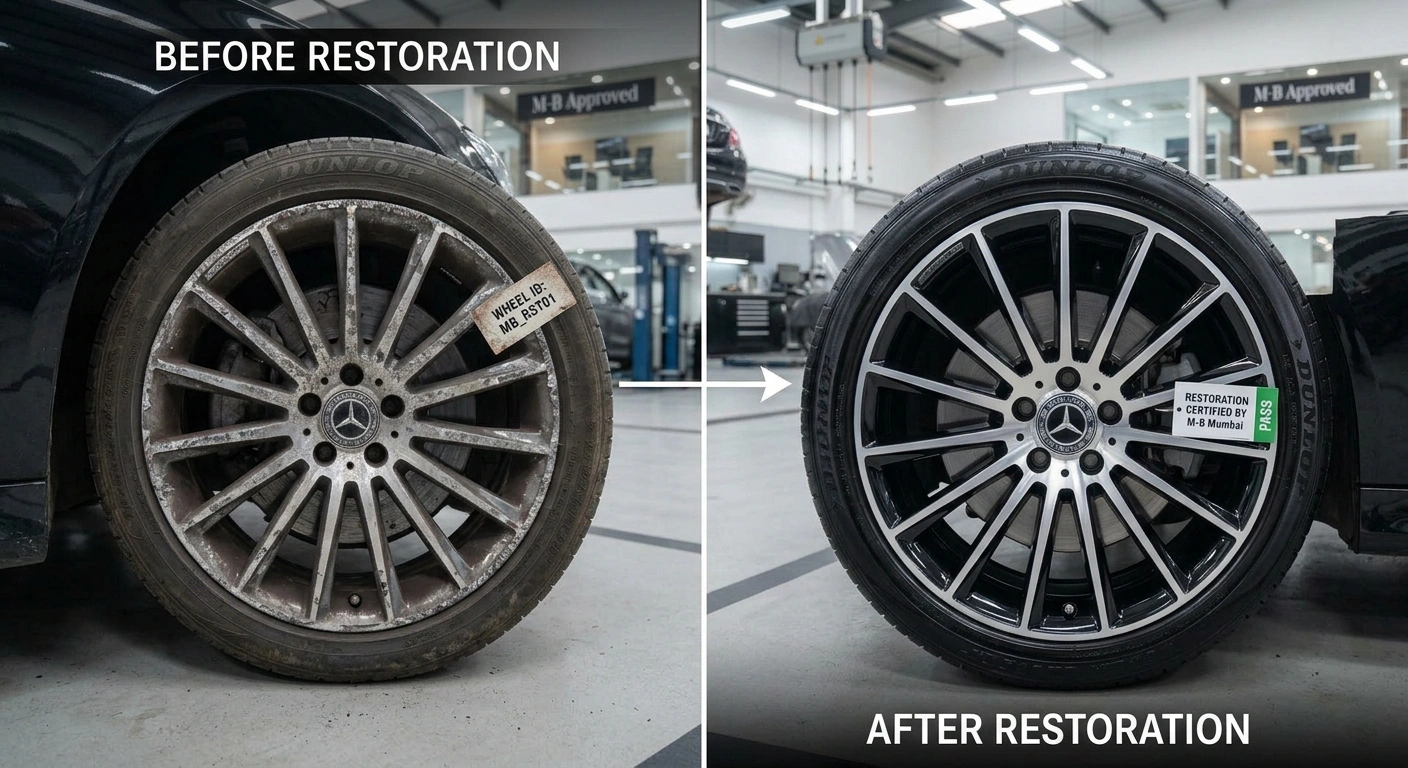
Many wheels with minor bends or cosmetic damage can often be professionally restored, but repair suitability depends on the type and severity of the damage.
During assessment, technicians consider:
- Wheel material
- Location of damage
- Extent of bending
- Presence of cracks
- Previous repairs
- Structural integrity
Only after inspection can a technician determine whether repair is appropriate or replacement is the safer option.
When Is Wheel Replacement Recommended?
Replacement may be necessary when structural damage is too severe to restore safely.
Replacement may be recommended for:
- Large structural cracks
- Severe deformation
- Extensive corrosion
- Multiple damaged areas
- Damage near mounting points
- Wheels with compromised structural integrity
Safety should always be the primary consideration.
Why Timely Repairs Matter
Ignoring slow tyre pressure loss can affect both safety and vehicle performance.
Underinflated tyres may contribute to:
- Faster tyre wear
- Increased fuel consumption
- Reduced braking performance
- Poor steering response
- Higher tyre temperatures
- Reduced ride comfort
Addressing Diamond Cut Alloy Wheel Tyre Pressure Loss promptly can help maintain proper tyre inflation and overall vehicle performance when the wheel is confirmed as the source of the leak.
Can Low Tyre Pressure Affect Driving Safety?
Yes. Driving with underinflated tyres may reduce handling, braking efficiency, and overall vehicle stability.
Low tyre pressure can result in:
- Reduced grip
- Less responsive steering
- Increased stopping distance
- Irregular tyre wear
- Reduced fuel economy
Regular tyre pressure checks remain an important part of preventive maintenance.
Can Wheel Damage Affect Ride Comfort?
Yes. Bent or damaged wheels may contribute to vibration, steering instability, and reduced ride comfort.
Drivers may notice:
- Steering wheel vibration
- Cabin vibration
- Poor cornering stability
- Increased road noise
- Reduced driving confidence
Repairing the underlying wheel issue often restores smoother operation.
Why Wheel Balancing Is Important After Repair
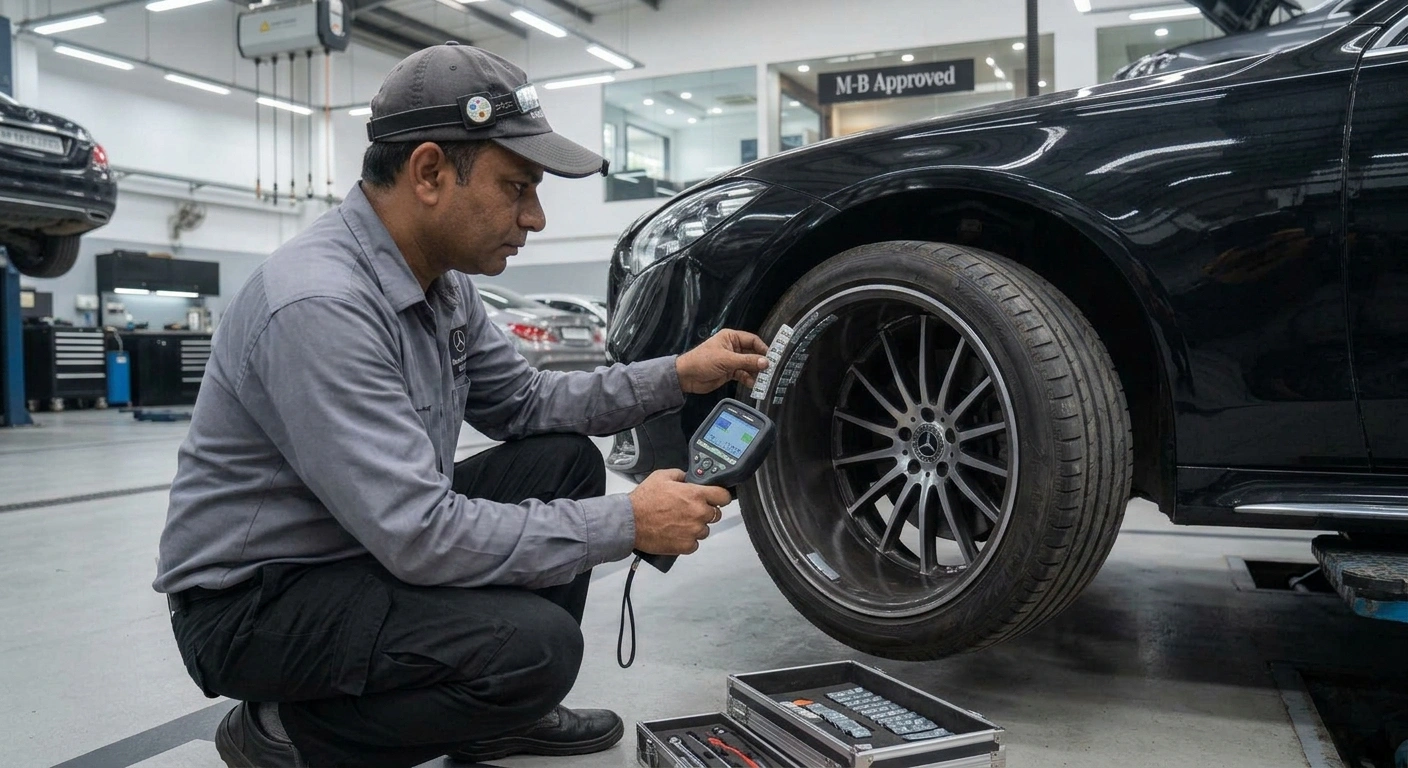
Professional balancing helps ensure the repaired wheel rotates evenly.
Benefits include:
- Reduced steering vibration
- Better ride comfort
- Improved tyre life
- Smoother handling
- Reduced suspension stress
Balancing forms an important part of resolving Diamond Cut Alloy Wheel Tyre Pressure Loss when repairs have been completed.
What Should You Do After Hitting a Pothole?
Even if the wheel appears normal, hidden damage is possible.
After a significant impact:
- Check tyre pressure.
- Inspect the wheel visually.
- Watch for steering vibration.
- Listen for unusual noises.
- Monitor tyre pressure over the following days.
- Arrange a professional inspection if symptoms appear.
Early diagnosis often prevents more expensive repairs later.
Choosing the Right Diamond Cut Alloy Wheel Repair Specialist
Selecting an experienced repair workshop improves both safety and repair quality.
Look for:
Specialized Equipment
CNC diamond cutting and precision balancing equipment.
Experienced Technicians
Knowledge of alloy wheel inspection and restoration.
Thorough Inspection
Diagnosis should identify the source of the leak before repairs begin.
Honest Recommendations
A reliable workshop will explain whether repair or replacement is the safer choice.
Professional expertise is essential when addressing Diamond Cut Alloy Wheel Tyre Pressure Loss.
Tips to Prevent Future Wheel Damage
Good driving habits help reduce future wheel problems.
Helpful Tips
- Maintain correct tyre pressure.
- Slow down over rough roads.
- Avoid potholes whenever safely possible.
- Take care while parking near curbs.
- Rotate tyres regularly.
- Inspect wheels during servicing.
- Clean wheels to reduce corrosion.
Preventive maintenance extends the life of both your tyres and alloy wheels.

Slow tyre pressure loss is not always caused by a puncture. A damaged diamond cut alloy wheel can sometimes allow air to escape if the tyre bead can no longer seal properly against the wheel.
Bent wheel edges, corrosion, bead-seat damage, and structural cracks are all possible causes. Professional inspection helps identify the actual source of the leak and determines whether repair or replacement is appropriate.
Understanding Diamond Cut Alloy Wheel Tyre Pressure Loss enables Mumbai drivers to address problems early, helping maintain tyre performance, driving comfort, and vehicle safety while avoiding unnecessary wear on tyres and suspension components.
Frequently Asked Questions
Q1. Can diamond cut alloy wheels cause slow tyre pressure loss?
Yes. Damage or corrosion affecting the tyre bead sealing surface can sometimes allow gradual air leakage.
Q2. Is slow tyre pressure loss always caused by a puncture?
No. Valve leaks, bead leaks, wheel corrosion, and damaged alloy wheels are also possible causes.
Q3. Can a bent diamond cut alloy wheel be repaired?
Many minor bends can be professionally repaired after inspection, but severe structural damage may require replacement.
Q4. Why does one tyre keep losing air?
Possible causes include punctures, valve problems, bead leaks, wheel damage, or corrosion. A professional inspection can identify the exact source.
Q5. Should I keep driving if one tyre keeps losing pressure?
Repeated pressure loss should be investigated promptly because driving with underinflated tyres may affect handling, braking, and tyre life
Author Information
Author: Areef Shaikh
Last Updated: August 2026
Category: Mag Wheel Repair & Tyre Maintenance
Social Media: Instagram – @wheelsrepairsales