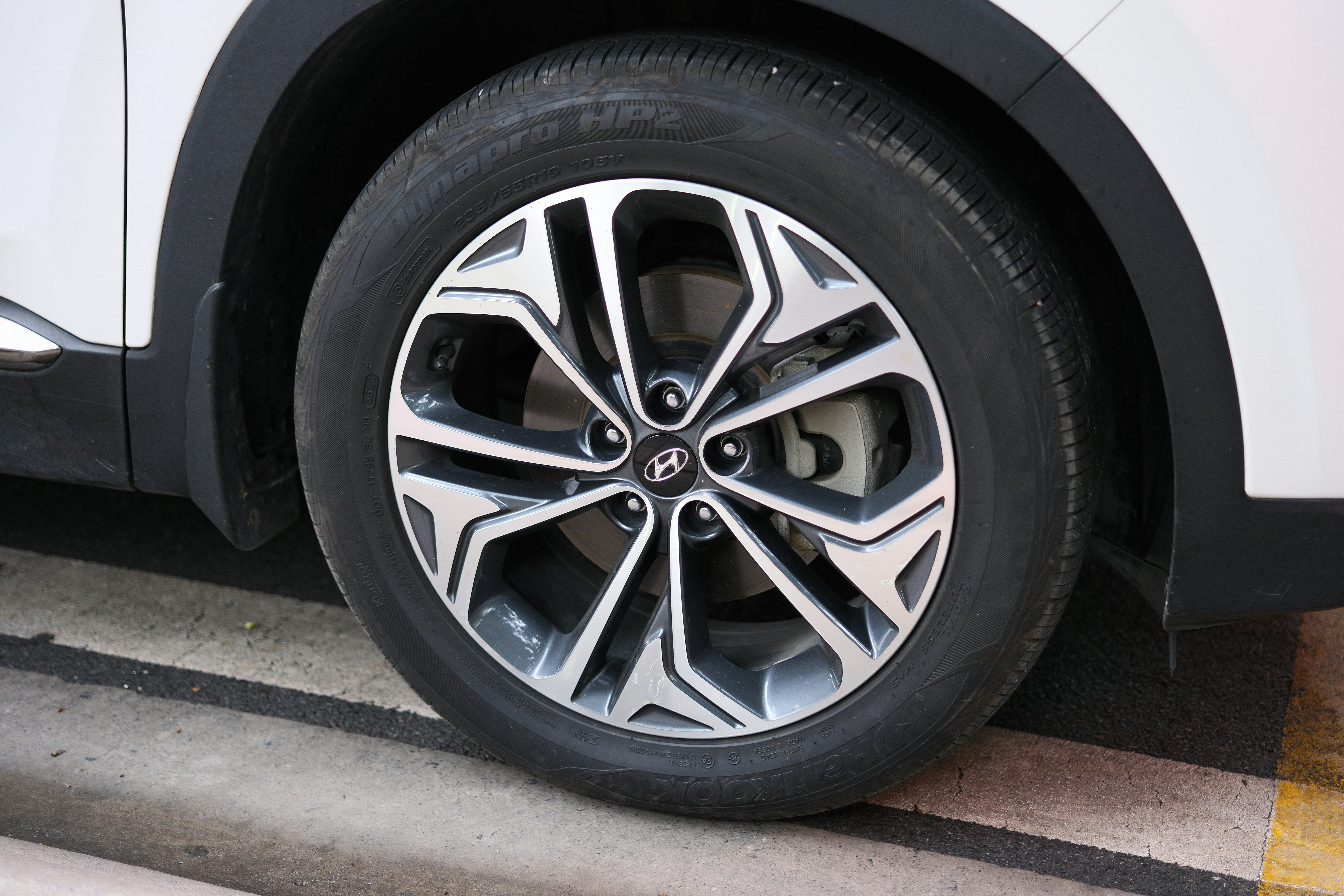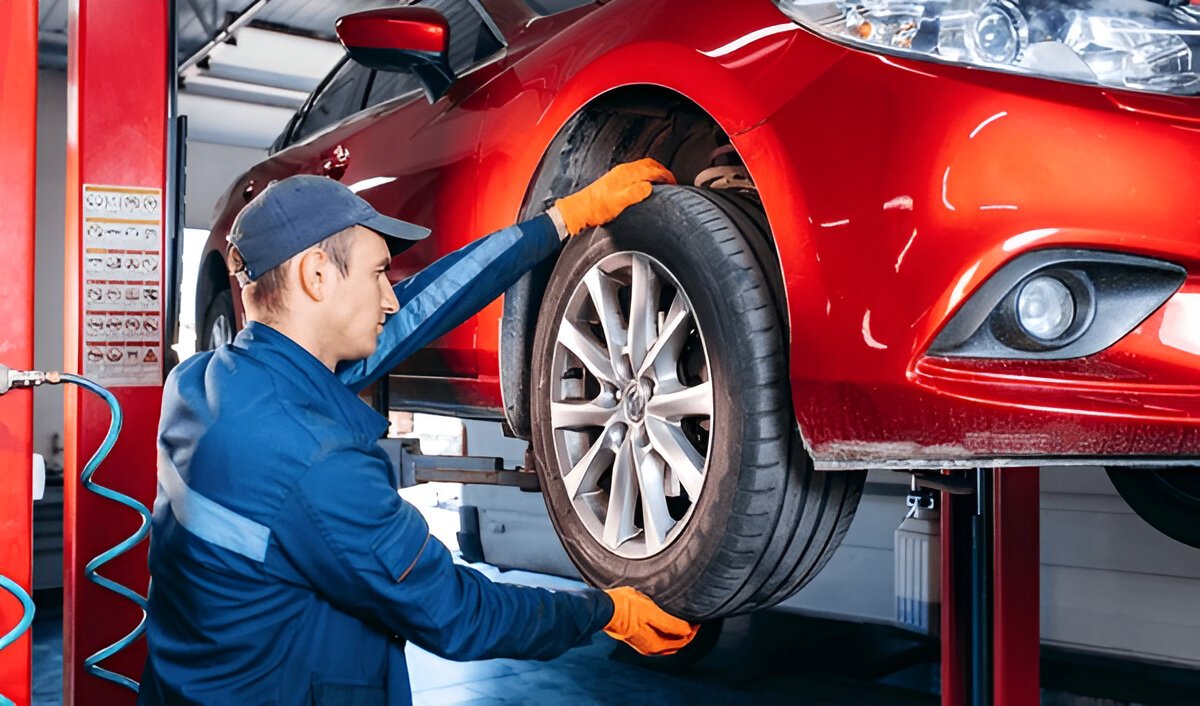
You check your tyre pressure regularly, yet one tyre keeps losing air every few days. Your first thought might be a puncture, but the problem isn’t always the tyre. In many cases, damage to the aluminum wheel can also cause slow tyre pressure loss.
Aluminum wheels are popular because they are lightweight, durable, and improve both vehicle handling and fuel efficiency. However, driving through Mumbai’s potholes, uneven roads, speed breakers, and construction zones can damage these wheels over time. Even a small bend, crack, or corrosion around the wheel’s sealing surface can allow air to escape gradually.
Unlike a puncture that causes rapid deflation, wheel-related air leaks are often slow and difficult to detect. If ignored, they may affect driving safety, tyre life, fuel efficiency, and suspension performance.
Professional inspection is the most reliable way to determine whether the tyre, valve, or wheel is responsible for the leak. Understanding Aluminum Wheel Tyre Pressure Loss helps drivers identify problems early and avoid unnecessary repairs.
This guide explains how damaged aluminum wheels contribute to slow air leaks, the warning signs to watch for, and when professional repair or replacement is recommended.
What Are Aluminum Wheels?
Aluminum wheels are lightweight alloy wheels designed to improve handling, braking performance, fuel efficiency, and vehicle appearance.
Compared to traditional steel wheels, aluminum wheels offer several advantages:
- Reduced vehicle weight
- Better heat dissipation
- Improved steering response
- Attractive appearance
- Better overall performance
Although durable, aluminum wheels can still become damaged by road impacts and daily driving conditions.
Can Aluminum Wheel Damage Cause Slow Tyre Pressure Loss?
Yes. A bent, cracked, or corroded aluminum wheel can prevent the tyre bead from sealing properly, allowing air to escape slowly.
The tyre remains inflated because its bead creates an airtight seal against the wheel.
If the sealing surface becomes damaged, tiny air leaks may develop.
Possible causes include:
- Bent wheel edge
- Corrosion
- Hairline cracks
- Damaged bead seat
- Wheel deformation
Professional inspection is the best way to diagnose Aluminum Wheel Tyre Pressure Loss accurately.
What Causes Air Leaks Around Aluminum Wheels?
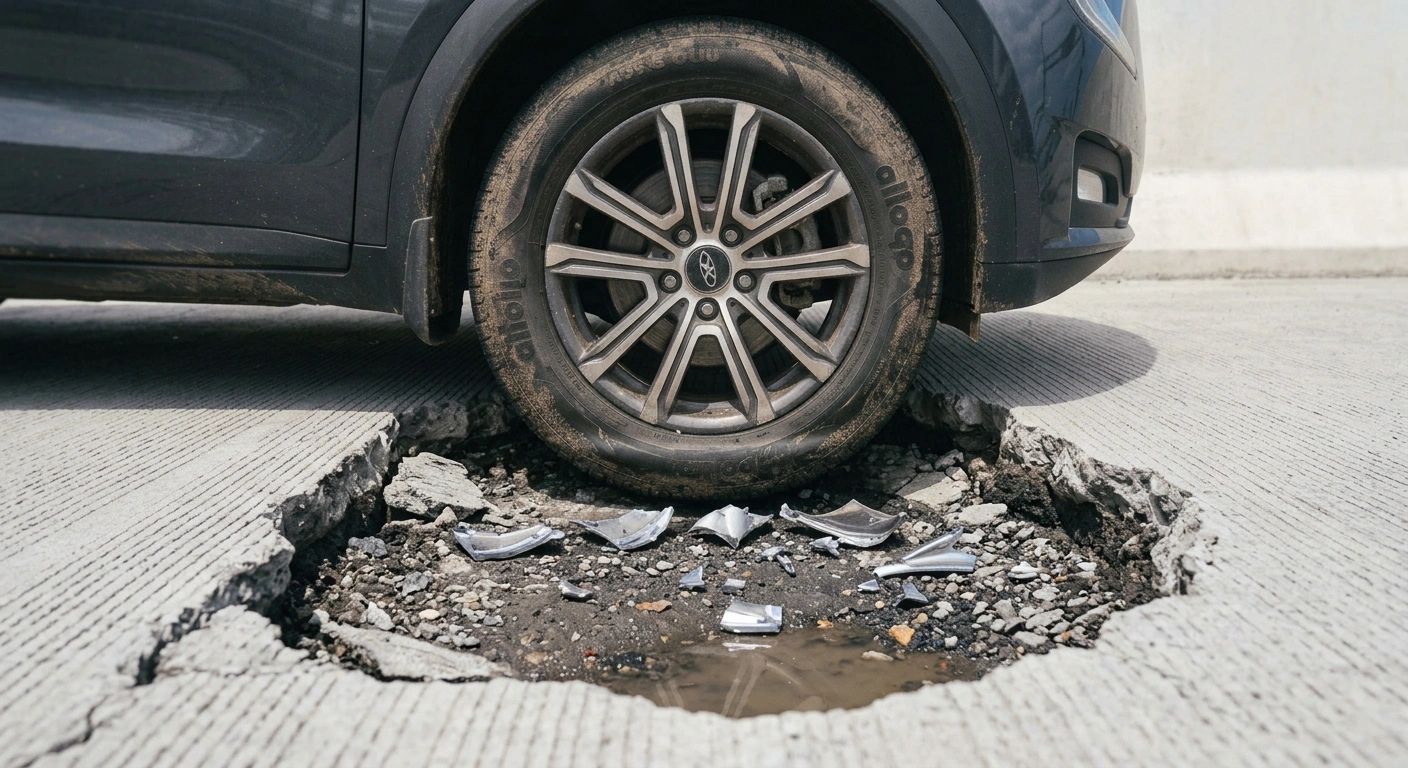
Damage affecting the wheel’s sealing surface may create gradual air leaks even when the tyre itself has no puncture.
Common causes include:
Bent Wheel Lip
A pothole impact may slightly distort the wheel.
Corrosion
Moisture and contaminants may create uneven sealing surfaces.
Hairline Cracks
Certain structural cracks may allow compressed air to escape.
Damaged Bead Seat
The tyre cannot seal correctly against a damaged bead seat.
These issues are among the most common causes of Aluminum Wheel Tyre Pressure Loss.
Warning Signs Your Aluminum Wheel May Be Causing Pressure Loss
Repeated tyre pressure loss without an obvious puncture should always be professionally investigated.
Common warning signs include:
- One tyre repeatedly losing pressure
- TPMS warning light
- Steering wheel vibration
- Uneven tyre wear
- Air loss every few days
- Visible wheel damage
- Vehicle pulling slightly
- Recent pothole impact
These symptoms do not automatically confirm wheel damage, but they indicate that inspection is worthwhile.
How Professionals Diagnose Slow Tyre Pressure Loss
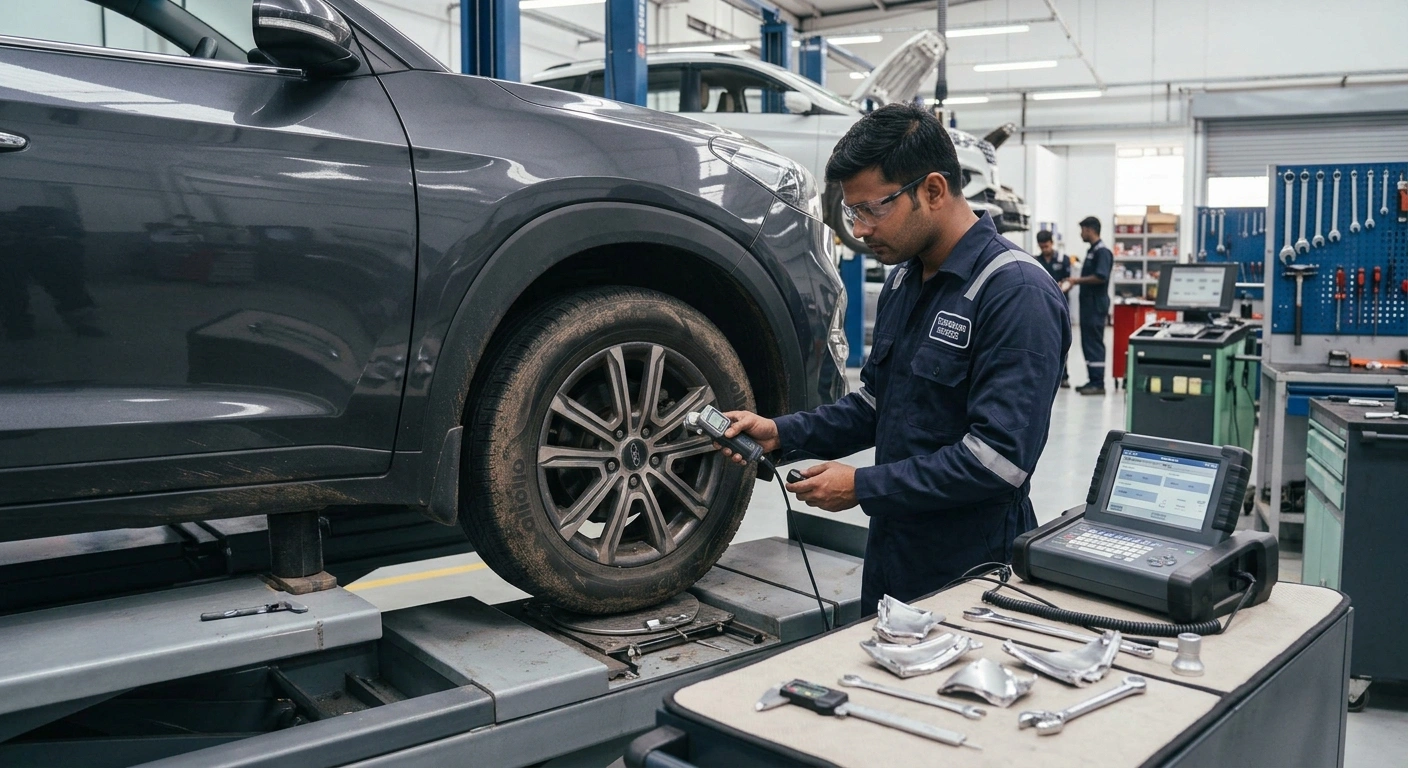
Professional inspection identifies whether the tyre, valve, or wheel is causing the air leak.
Typical inspection includes:
- Tyre pressure testing
- Valve inspection
- Tread examination
- Sidewall inspection
- Wheel runout measurement
- Bead-seat inspection
- Crack detection
- Air leak testing
Professional diagnosis ensures the real cause of Aluminum Wheel Tyre Pressure Loss is identified before repairs begin.
Can a Damaged Aluminum Wheel Be Repaired?
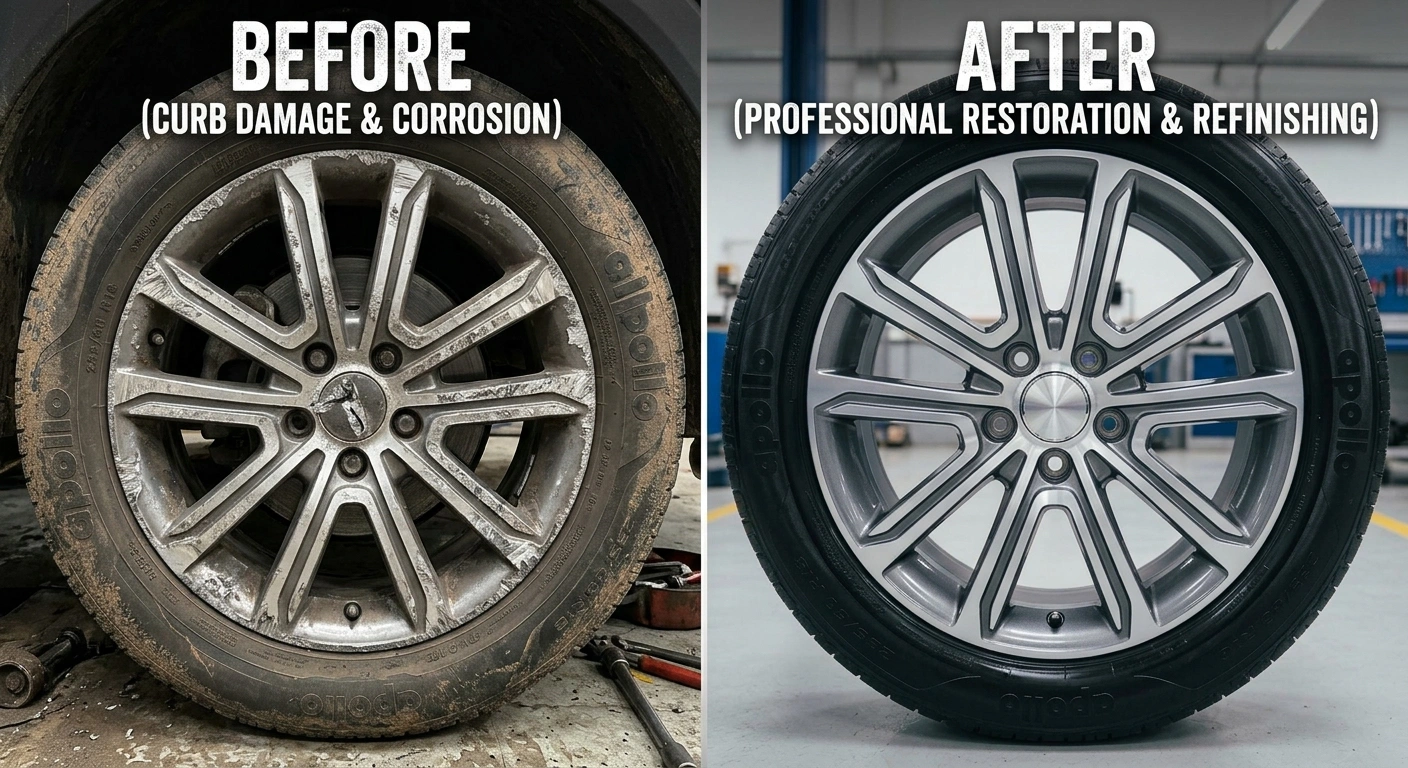
Many aluminum wheels with minor bends or cosmetic damage can often be professionally repaired, depending on the location and severity of the damage.
Technicians evaluate:
- Wheel material
- Location of damage
- Severity of bending
- Structural cracks
- Previous repairs
- Overall wheel condition
Only after a complete inspection can repair suitability be determined.
When Is Wheel Replacement Necessary?
Replacement may be recommended when the wheel has severe structural damage that cannot be safely restored.
Examples include:
- Major structural cracks
- Severe wheel deformation
- Extensive corrosion
- Multiple damaged areas
- Damage near mounting surfaces
- Loss of structural integrity
Safety should always be the deciding factor.
Why Timely Repairs Matter
Ignoring slow tyre pressure loss can affect both vehicle performance and safety.
Low tyre pressure may lead to:
- Uneven tyre wear
- Reduced fuel efficiency
- Longer braking distances
- Increased tyre temperatures
- Poor steering response
- Reduced ride comfort
Professional repair helps restore proper sealing when Aluminum Wheel Tyre Pressure Loss is caused by wheel damage.
Can Low Tyre Pressure Affect Driving Safety?
Yes. Underinflated tyres may reduce vehicle stability, braking performance, and steering accuracy.
Possible consequences include:
- Reduced road grip
- Poor handling
- Increased stopping distance
- Faster tyre wear
- Reduced fuel economy
Regular tyre pressure checks remain essential for safe driving.
Can Damaged Aluminum Wheels Affect Ride Comfort?
Yes. Wheel damage may contribute to vibration, reduced stability, and decreased driving comfort.
Drivers may notice:
- Steering vibration
- Cabin vibration
- Poor cornering stability
- Increased road noise
- Reduced driving confidence
Professional repairs help restore smoother driving performance.
Why Wheel Balancing Is Important After Repair
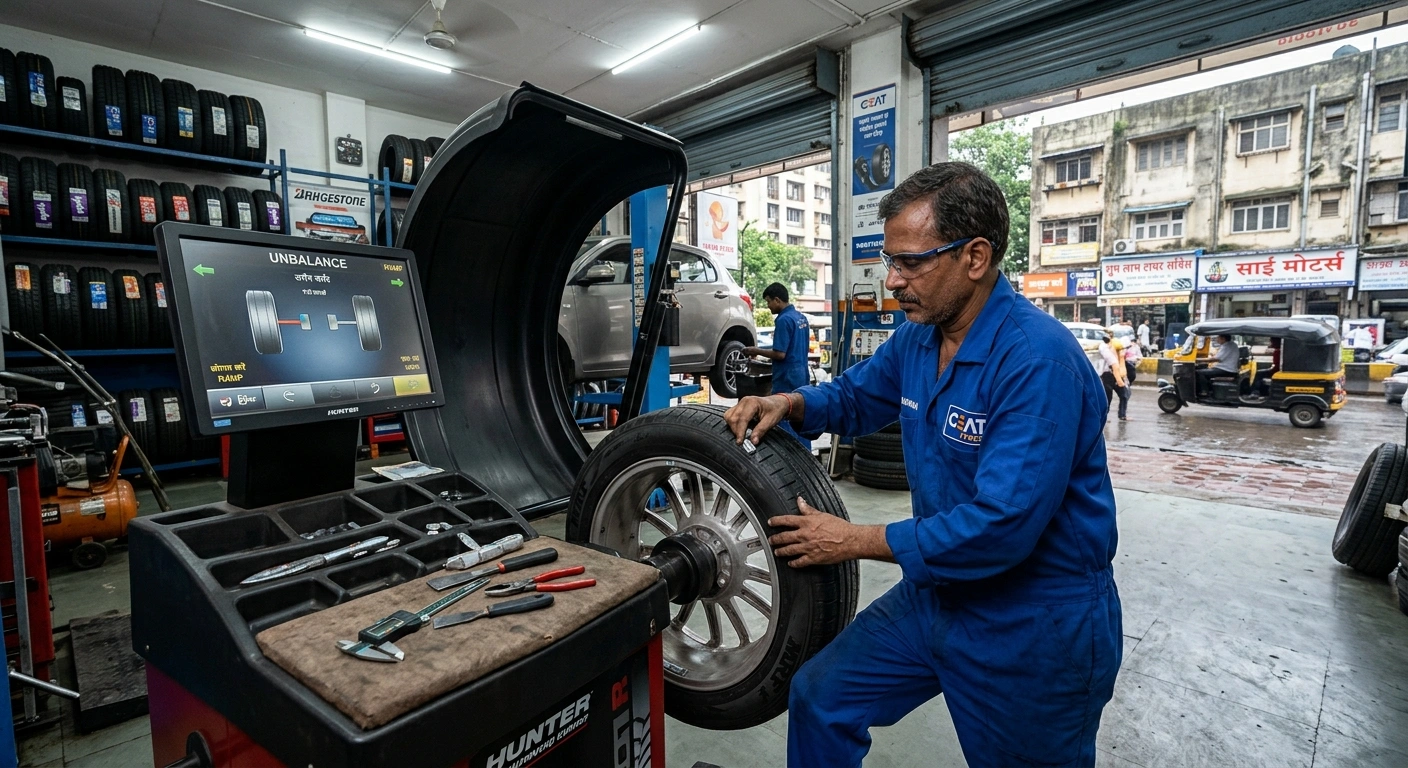
After repairing an aluminum wheel, balancing helps ensure smooth rotation.
Benefits include:
- Reduced steering vibration
- Better ride comfort
- Improved tyre life
- Smoother handling
- Reduced suspension stress
Wheel balancing is an important step when correcting Aluminum Wheel Tyre Pressure Loss caused by wheel damage.
What Should You Do After Hitting a Pothole?
A pothole impact may not immediately show obvious damage.
After a significant impact:
- Check tyre pressure.
- Inspect the wheel visually.
- Monitor for steering vibration.
- Watch for TPMS warnings.
- Listen for unusual noises.
- Arrange a professional inspection if symptoms develop.
Early diagnosis often prevents more expensive repairs later.
Choosing the Right Aluminum Wheel Repair Specialist
Selecting a qualified repair workshop improves both safety and repair quality.
Look for:
Specialized Equipment
Professional wheel straightening and balancing equipment.
Experienced Technicians
Knowledge of aluminum wheel repair procedures.
Complete Inspection
Diagnosis should identify the source of the leak before repairs begin.
Honest Recommendations
A trustworthy technician explains whether repair or replacement is the safer option.
Professional expertise is essential when addressing Aluminum Wheel Tyre Pressure Loss.
Tips to Prevent Future Aluminum Wheel Damage
Good maintenance reduces the likelihood of future wheel problems.
Helpful Tips
- Maintain recommended tyre pressure.
- Slow down over potholes.
- Avoid striking curbs.
- Rotate tyres regularly.
- Clean wheels frequently.
- Inspect wheels during servicing.
- Schedule wheel balancing periodically.
Preventive maintenance extends the life of both your tyres and aluminum wheels.
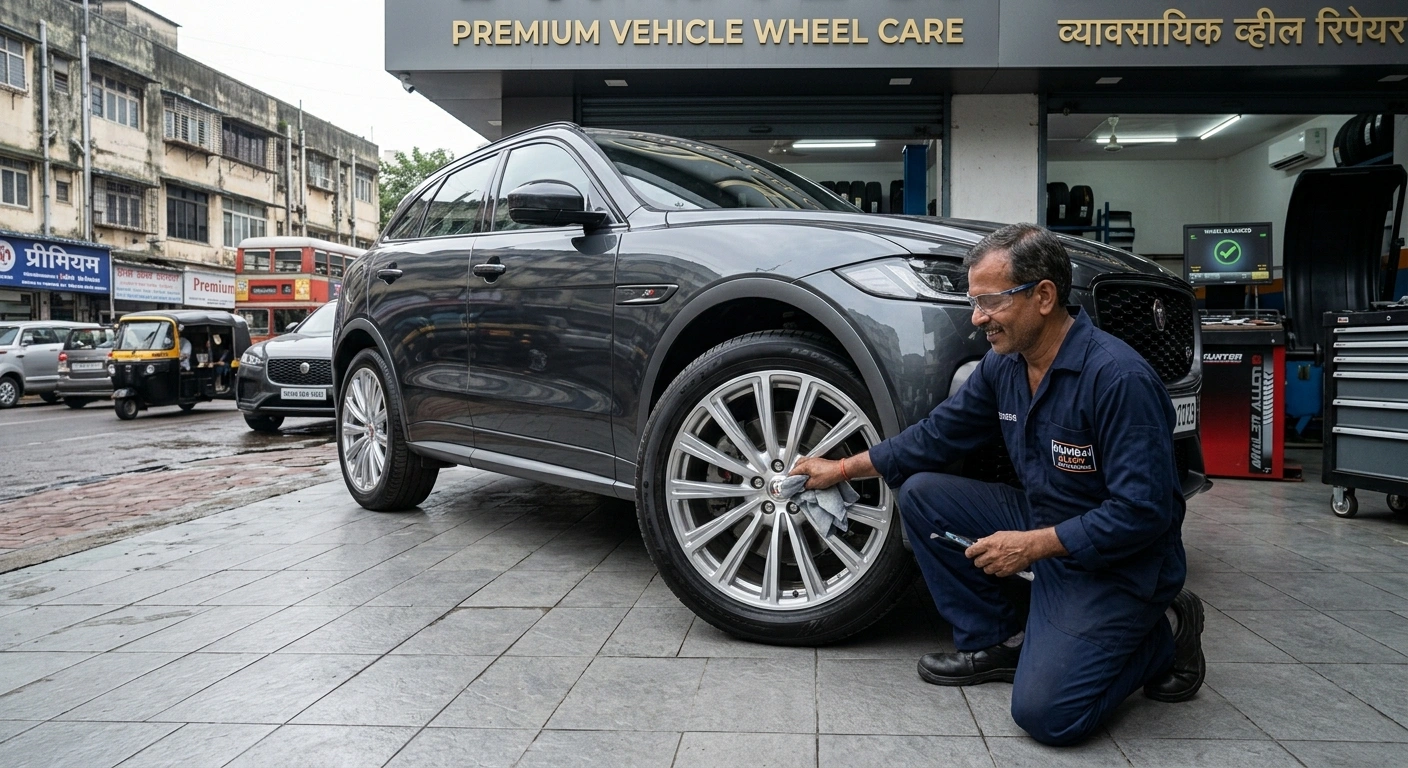
Slow tyre pressure loss is not always caused by a puncture. A damaged aluminum wheel may prevent the tyre from sealing correctly, allowing air to escape gradually over time.
Bent wheel lips, corrosion, damaged bead seats, and structural cracks can all contribute to air leakage. Professional inspection helps identify the true source of the problem and determines whether repair or replacement is the safest solution.
Understanding Aluminum Wheel Tyre Pressure Loss allows Mumbai drivers to take timely action, improve vehicle safety, protect tyre life, and maintain overall driving comfort.
Early diagnosis is always better than repeatedly inflating a tyre without finding the real cause.
Frequently Asked Questions
Q1. Can aluminum wheel damage cause slow tyre pressure loss?
Yes. Damage around the wheel’s sealing surface can allow air to escape gradually even if the tyre has no puncture.
Q2. Is slow tyre pressure loss always caused by a puncture?
No. Valve leaks, wheel corrosion, damaged bead seats, and aluminum wheel damage are also possible causes.
Q3. Can a bent aluminum wheel be repaired?
Many minor bends can be professionally repaired after inspection, while severe structural damage may require replacement.
Q4. Why does one tyre keep losing air?
Possible causes include punctures, valve leaks, bead leaks, wheel damage, or corrosion. A professional inspection can identify the exact cause.
Q5. Is it safe to drive with slow tyre pressure loss?
Driving with underinflated tyres is not recommended because it may reduce handling, braking performance, and tyre lifespan.
Author Information
Author: Areef Shaikh
Last Updated: August 2026
Category: Mag Wheel Repair & Tyre Maintenance
Social Media: Instagram – @wheelsrepairsales