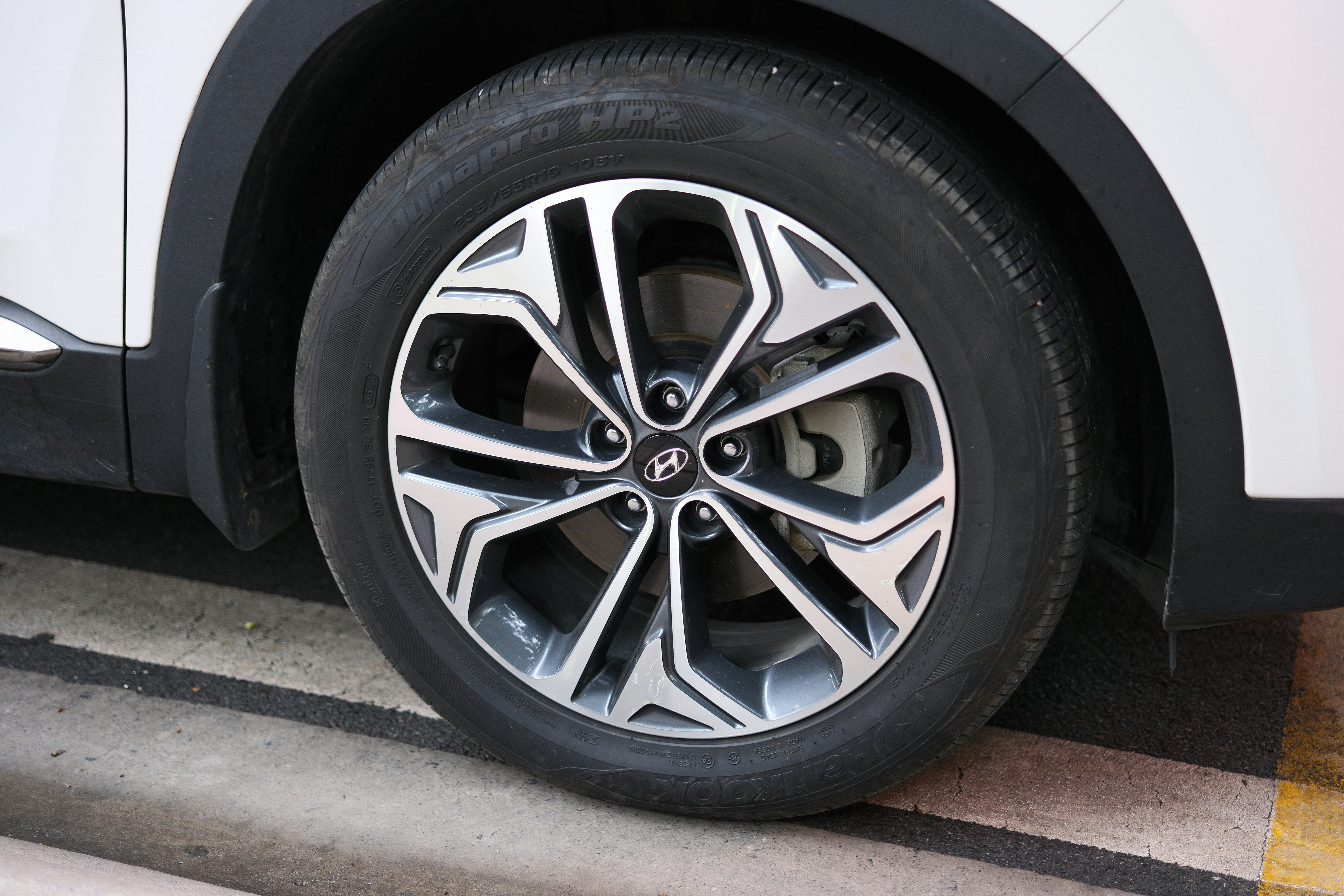
Aluminum wheels are a popular choice for modern vehicles because they combine strength, lightweight performance, and stylish design. They improve fuel efficiency, enhance handling, and add a premium appearance to your car.
However, aluminum wheels can suffer damage from potholes, curb impacts, road debris, and accidents. When damage occurs, many vehicle owners ask the same question: Can my wheel be repaired, or do I need an Aluminum Wheel Replacement?
The answer depends on several factors, including the type, location, and severity of the damage. This guide explains how professionals evaluate damaged wheels and when repair is possible versus when Aluminum Wheel Replacement is the safest option.
Why Proper Wheel Inspection Matters
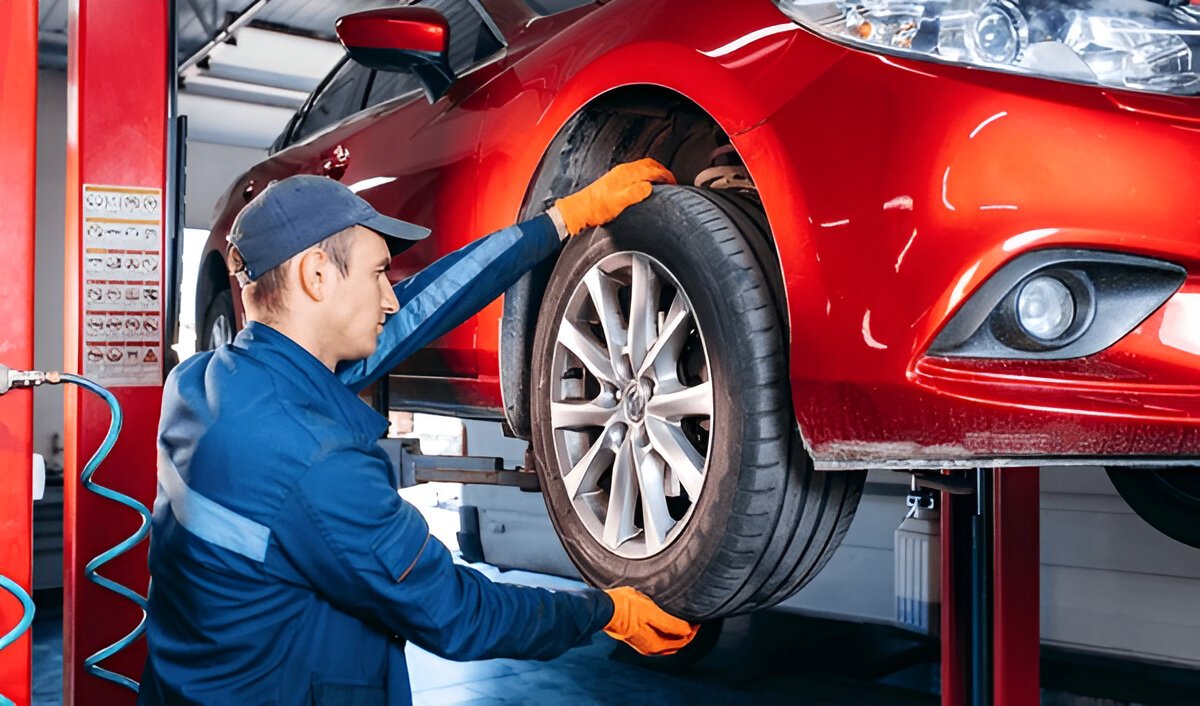
A professional inspection determines whether a damaged wheel is safe to repair or requires replacement.
Not every damaged wheel needs to be replaced, but not every damaged wheel can be safely repaired either.
During an inspection, technicians evaluate:
- Structural integrity
- Crack location
- Bent rim severity
- Corrosion level
- Previous repairs
- Overall wheel condition
A proper inspection helps prevent unsafe repairs and unnecessary Aluminum Wheel Replacement costs.
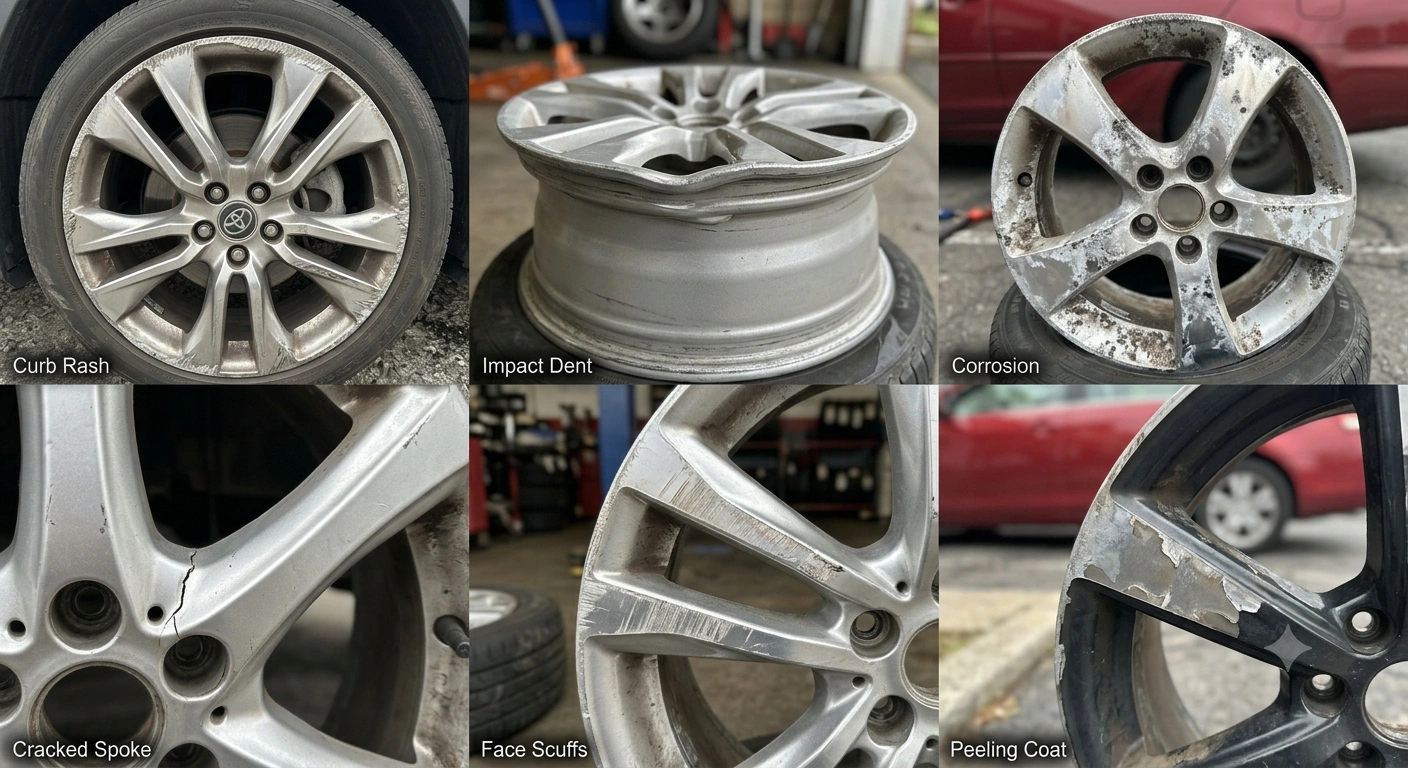
Common Types of Aluminum Wheel Damage
Before deciding between repair and replacement, it is important to understand the type of damage.
Bent Wheels
Usually caused by potholes or curb impacts.
Cracked Wheels
Often caused by severe impacts or accidents.
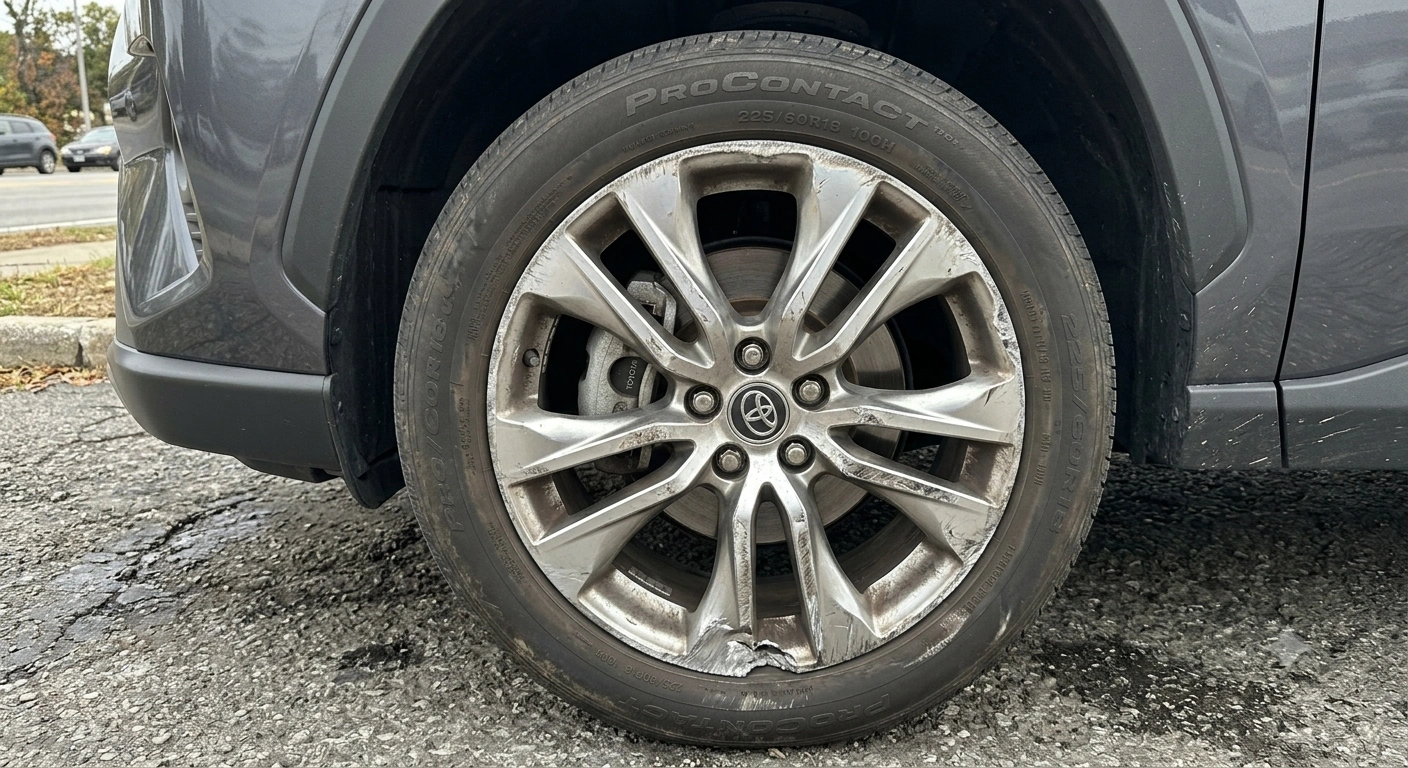
Curb Rash
Surface scratches caused during parking.
Corrosion
Oxidation caused by moisture and road contaminants.
Warped Wheels
Result from repeated impacts or excessive stress.
Some of these problems can be repaired, while others require complete Aluminum Wheel Replacement.
When an Aluminum Wheel Can Usually Be Repaired
Minor cosmetic and structural damage can often be repaired safely by experienced technicians.
Professional wheel repair may be possible if the wheel has:
- Minor bends
- Light curb rash
- Small cosmetic scratches
- Surface corrosion
- Minor finish damage
- Small repairable cracks (depending on location)
Repairing these issues is usually more affordable than immediate Aluminum Wheel Replacement and can restore both appearance and performance.
When Aluminum Wheel Replacement Is Necessary
Severe structural damage usually requires replacement rather than repair.
There are situations where repairing a wheel is no longer safe.
Large Structural Cracks
Long or multiple cracks weaken the wheel significantly.
Severe Bending
Extensive deformation may permanently affect wheel strength.
Multiple Previous Repairs
Repeated welding and straightening reduce structural integrity.
Broken Wheel Sections
Missing pieces cannot usually be restored safely.
Excessive Corrosion
Deep corrosion can weaken the aluminum itself.
In these situations, Aluminum Wheel Replacement is generally the safest recommendation.
How Professionals Decide Between Repair and Replacement
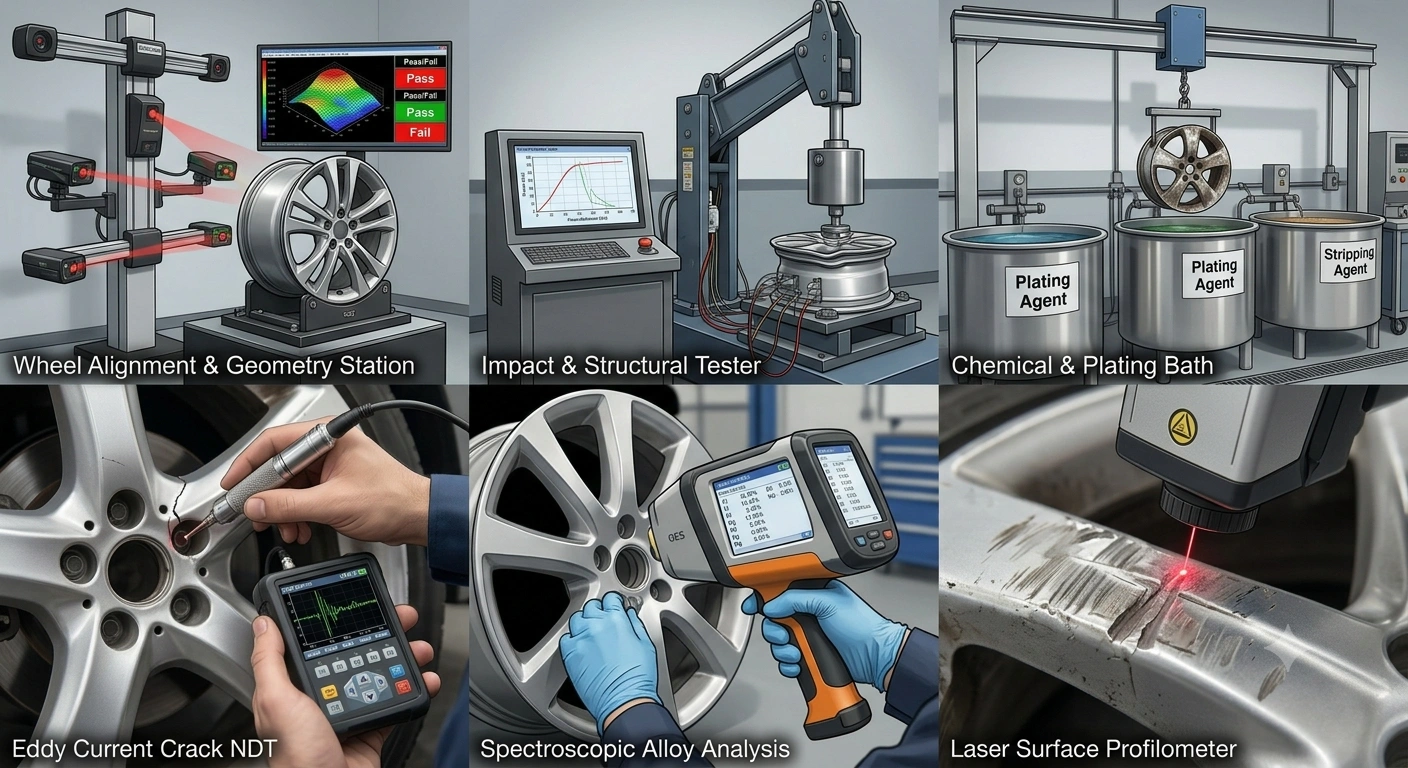
Technicians use visual inspection and specialized equipment to evaluate wheel safety.
Professional workshops inspect:
Crack Length
Small localized cracks may be repairable.
Crack Location
Cracks near spokes or mounting areas often require replacement.
Wheel Runout
Machines measure whether the wheel remains perfectly round.
Metal Thickness
Excessively worn wheels may no longer be repairable.
Previous Repairs
Past welding or straightening affects future repair decisions.
These evaluations help determine whether Aluminum Wheel Replacement is necessary.
Signs Your Wheel May Need Replacement Instead of Repair
Watch for these warning signs:
Persistent Air Leaks
Even after tire replacement.
Severe Steering Vibrations
Despite wheel balancing.
Visible Structural Cracks
Especially near wheel spokes.
Large Deformations
Wheel shape visibly distorted.
Repeated Repair History
The same wheel has required multiple repairs.
These symptoms often indicate the need for Aluminum Wheel Replacement rather than another repair attempt.
Repair vs. Replacement: Which Is More Cost-Effective?
Repair is usually less expensive, but replacement is safer when structural damage is severe.
Repair Is Better When:
- Damage is minor
- Wheel structure remains strong
- Cosmetic restoration is sufficient
- Small bends exist
Replacement Is Better When:
- Safety is compromised
- Structural integrity is lost
- Multiple repairs already exist
- Damage exceeds repair standards
Although Aluminum Wheel Replacement costs more initially, it prevents future safety risks and repeated repair expenses.
Benefits of Choosing the Right Solution
Whether repairing or replacing, the correct decision provides several advantages.
Improved Safety
Strong wheels maintain proper vehicle control.
Better Tire Life
Healthy wheels reduce uneven tire wear.
Improved Fuel Efficiency
Balanced wheels reduce rolling resistance.
Better Ride Comfort
Proper wheels eliminate unnecessary vibrations.
Long-Term Savings
Avoid repeated repair bills by choosing Aluminum Wheel Replacement when appropriate.
How to Extend the Life of Your Aluminum Wheels
Preventive maintenance reduces future repair and replacement costs.
Helpful Tips
- Maintain proper tire pressure.
- Avoid potholes whenever possible.
- Drive slowly over speed breakers.
- Park carefully to avoid curb rash.
- Wash wheels regularly.
- Inspect wheels after major impacts.
- Balance and align wheels periodically.
Routine maintenance helps reduce the likelihood of unexpected Aluminum Wheel Replacement.
Why Professional Advice Matters
Many online videos suggest repairing damaged wheels yourself. While cosmetic cleaning is fine, structural repairs require specialized equipment and experience.
Professional technicians understand:
- Wheel metallurgy
- Repair limitations
- Safety standards
- Wheel balancing
- Structural inspection
Seeking expert advice ensures you make the correct decision between repair and Aluminum Wheel Replacement.
Not every damaged aluminum wheel needs to be replaced, but not every damaged wheel should be repaired.
Minor bends, scratches, and cosmetic damage can often be restored professionally. However, severe cracks, broken sections, extensive corrosion, and repeated repair history may make Aluminum Wheel Replacement the safer option.
The best approach is always to have the wheel inspected by qualified professionals who can evaluate its structural condition using proper equipment.
Making the right decision protects not only your investment but also your safety on the road.
Frequently Asked Questions
Q1. Can every aluminum wheel be repaired?
No. Minor cosmetic and structural damage can often be repaired, but severe structural damage may require replacement.
Q2. How do professionals determine if a wheel can be repaired?
They inspect crack location, wheel runout, metal thickness, corrosion, and previous repairs.
Q3. Is Aluminum Wheel Replacement always necessary after hitting a pothole?
No. Many pothole-related bends can be repaired if the wheel structure remains intact.
Q4. Is replacing an aluminum wheel safer than repairing it?
If structural integrity is compromised, replacement is generally the safest solution.
Q5. Can cracked aluminum wheels be repaired?
Some small cracks may be repairable, depending on their location and severity.
Author Information
Author: Areef Shaikh
Last Updated: June 2026
Category: Aluminum Wheel Repair & Maintenance
Social Media: Instagram – @wheelsrepairsales