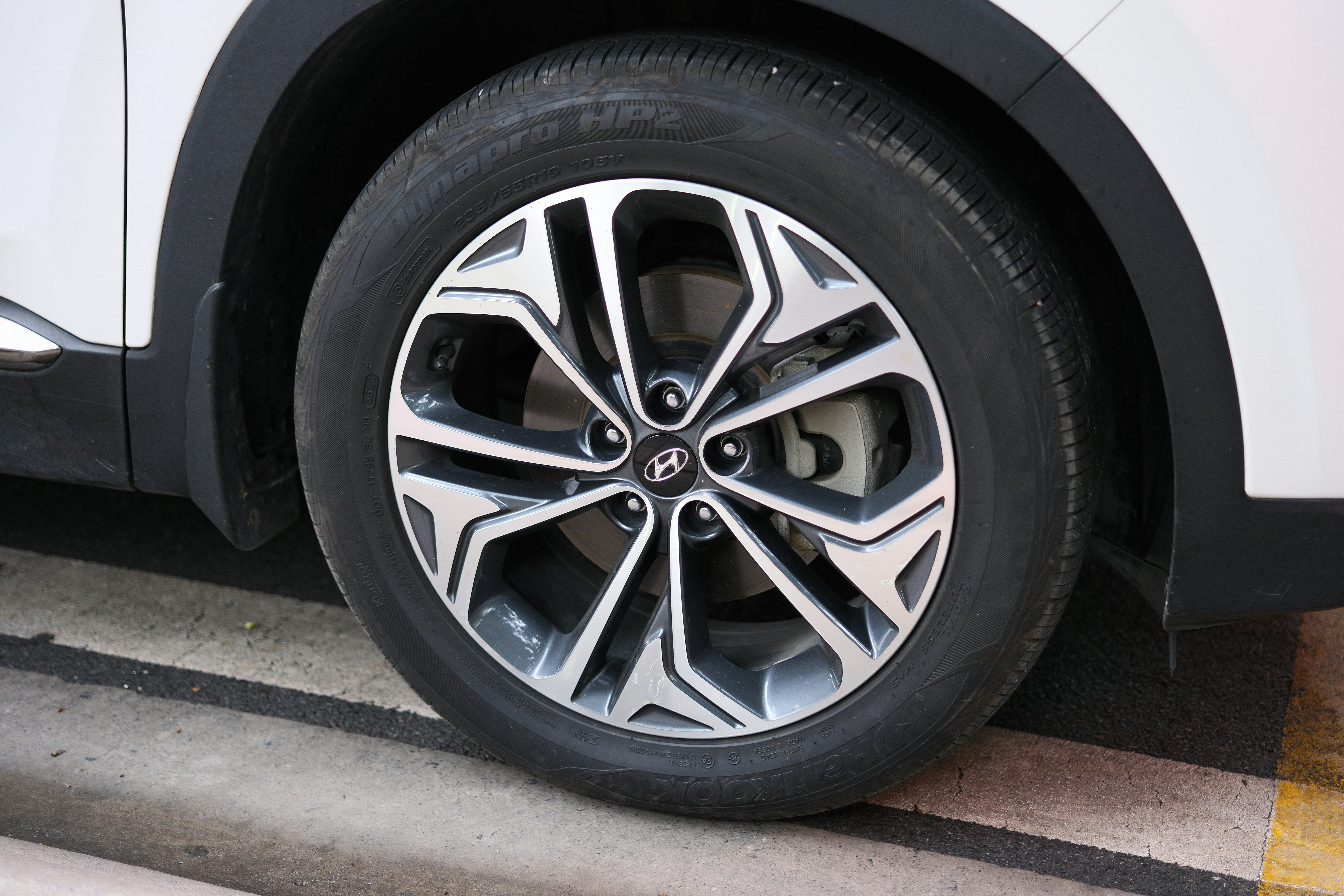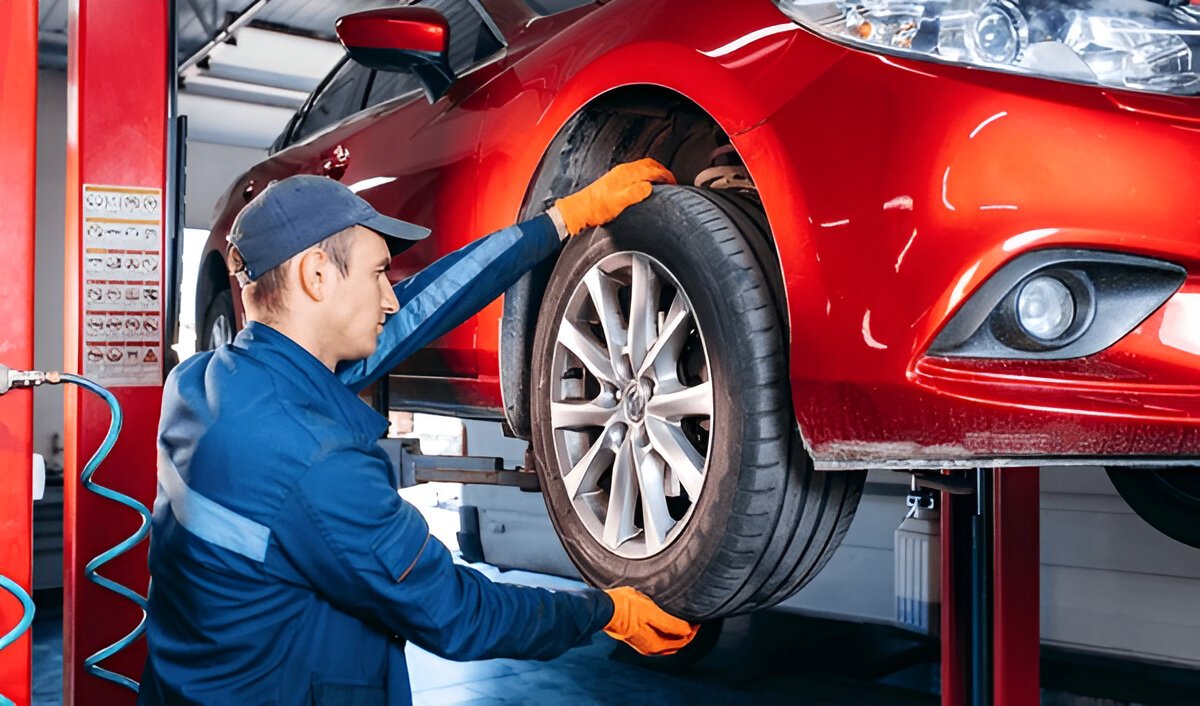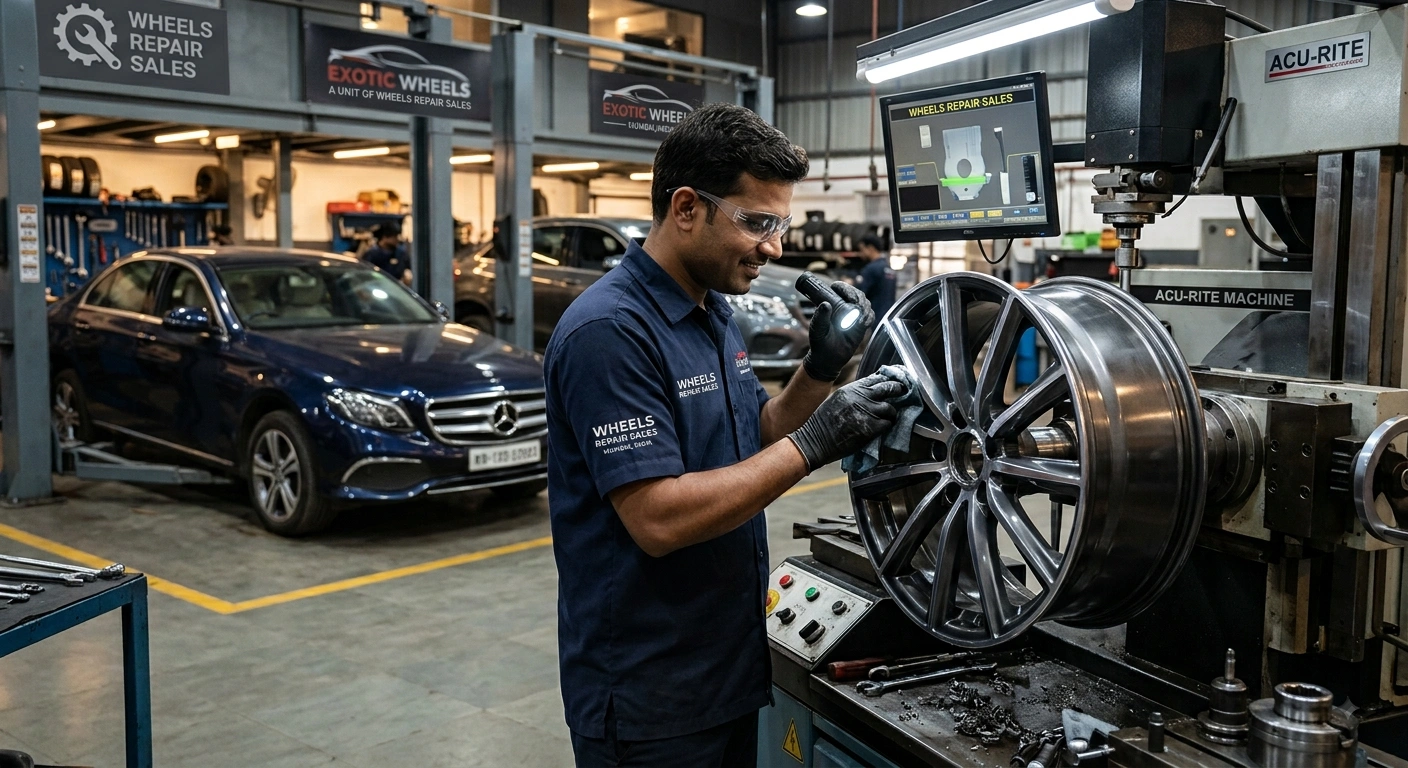
When you look at an aluminum wheel, you may naturally check for obvious cracks, dents, or scratches. If nothing seems wrong, it is easy to assume the wheel is perfectly fine.
But wheel damage is not always visible.
A strong pothole impact, hard speed breaker, kerb hit, or minor collision can change the shape of an aluminum wheel without leaving an obvious mark on the outside. The problem may only become noticeable when you start experiencing steering vibration, tyre pressure loss, uneven tyre wear, or balancing issues.
This is why Hidden Aluminum Wheel Damage can sometimes be more concerning than damage that is easy to see. A professional inspection can reveal problems that a basic visual check may miss.
Yes. An aluminum wheel can require repair even when there are no visible cracks or major dents. Hidden bends, wheel runout, bead-seat deformation, and impact-related distortion can affect tyre performance and vehicle handling.
What Is Hidden Aluminum Wheel Damage?
Hidden Aluminum Wheel Damage refers to wheel problems that are difficult or impossible to identify through a simple visual inspection.
The damage may occur on the inner rim edge, barrel, bead-seat area, or mounting surface. In some cases, the wheel may look almost perfect from the outside while its shape has changed slightly.
Common examples include:
- Minor rim bends
- Radial runout
- Lateral runout
- Bead-seat deformation
- Inner barrel damage
- Impact-related distortion
- Wheel imbalance
- Mounting surface irregularities
These problems can affect how the wheel and tyre rotate together.
The important point is that absence of a visible crack does not automatically mean the wheel is safe or undamaged.
Hidden aluminum wheel damage occurs when an alloy wheel has deformation or functional problems that are not obvious during a basic visual inspection.
Why Can an Aluminum Wheel Need Repair Without a Crack?
A crack is only one possible form of wheel damage.
When a vehicle hits a pothole, the force is transferred through the tyre into the wheel. Depending on the impact angle, speed, tyre pressure, and road condition, the wheel can bend or deform without cracking.
The affected area may be on the inside of the wheel, where drivers rarely look.
This means you can have a wheel that:
- Looks normal when parked
- Has no visible cracks
- Has no major scratches
- Still causes vibration or tyre problems
That is why professional wheel inspection is more reliable than simply checking the wheel visually.
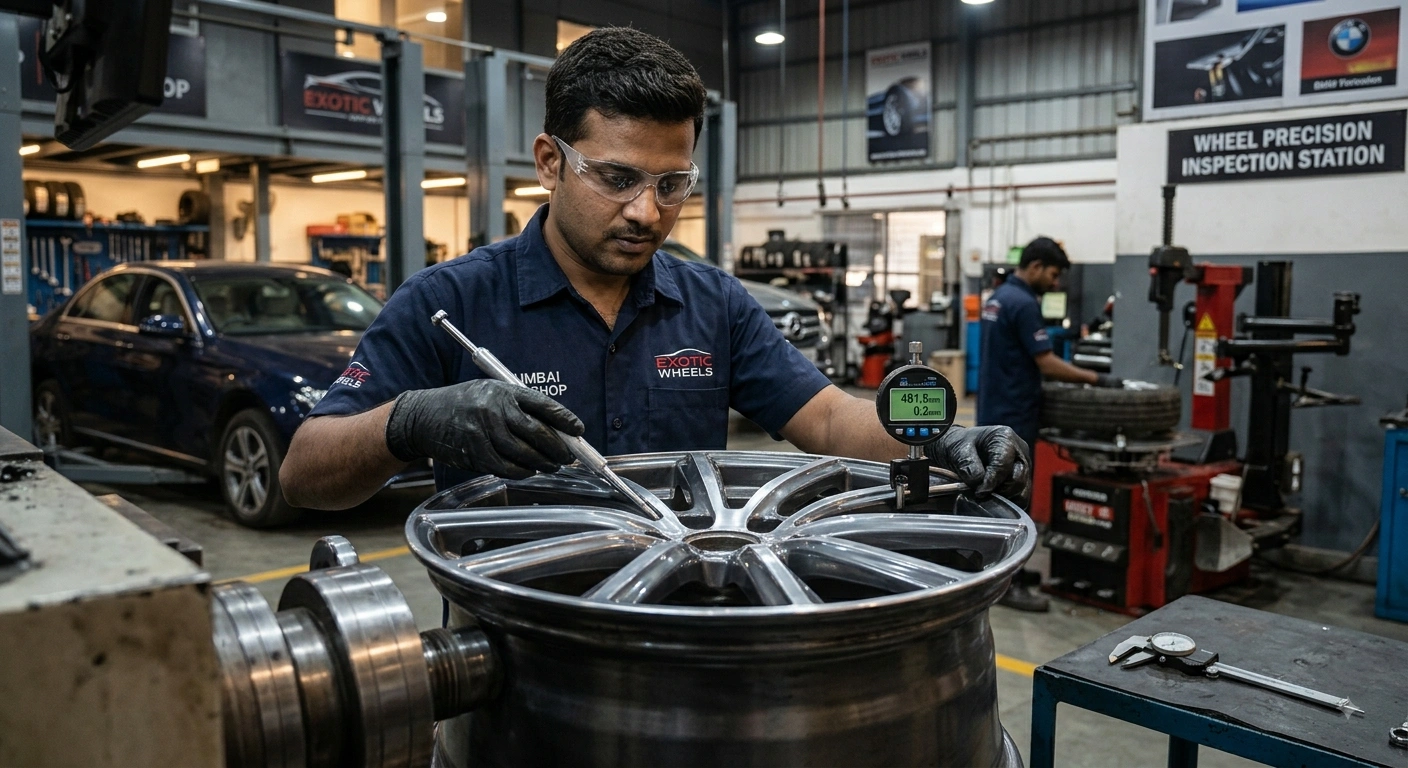
1. A Slightly Bent Wheel May Look Completely Normal
A minor bend is one of the most common forms of wheel damage caused by road impacts.
The outer face may still look perfectly normal. However, the inner edge of the rim can become slightly distorted.
Once the wheel rotates, that deformation can affect the movement of the tyre.
Possible symptoms include:
- Steering wheel vibration
- Vehicle vibration at certain speeds
- Uneven tyre wear
- Repeated balancing problems
- Changes in driving comfort
- Slow tyre pressure loss
If these symptoms appear after hitting a pothole or kerb, Hidden Aluminum Wheel Damage should be considered as one possible cause.
A slightly bent aluminum wheel may not look damaged when stationary but can cause vibration or tyre-related problems when rotating.
2. Wheel Runout Can Reveal Damage
Wheel runout describes how much a wheel deviates from its intended shape while rotating.
There are two primary types.
Radial Runout
Radial runout occurs when the wheel moves slightly up and down during rotation.
Lateral Runout
Lateral runout occurs when the wheel moves from side to side as it rotates.
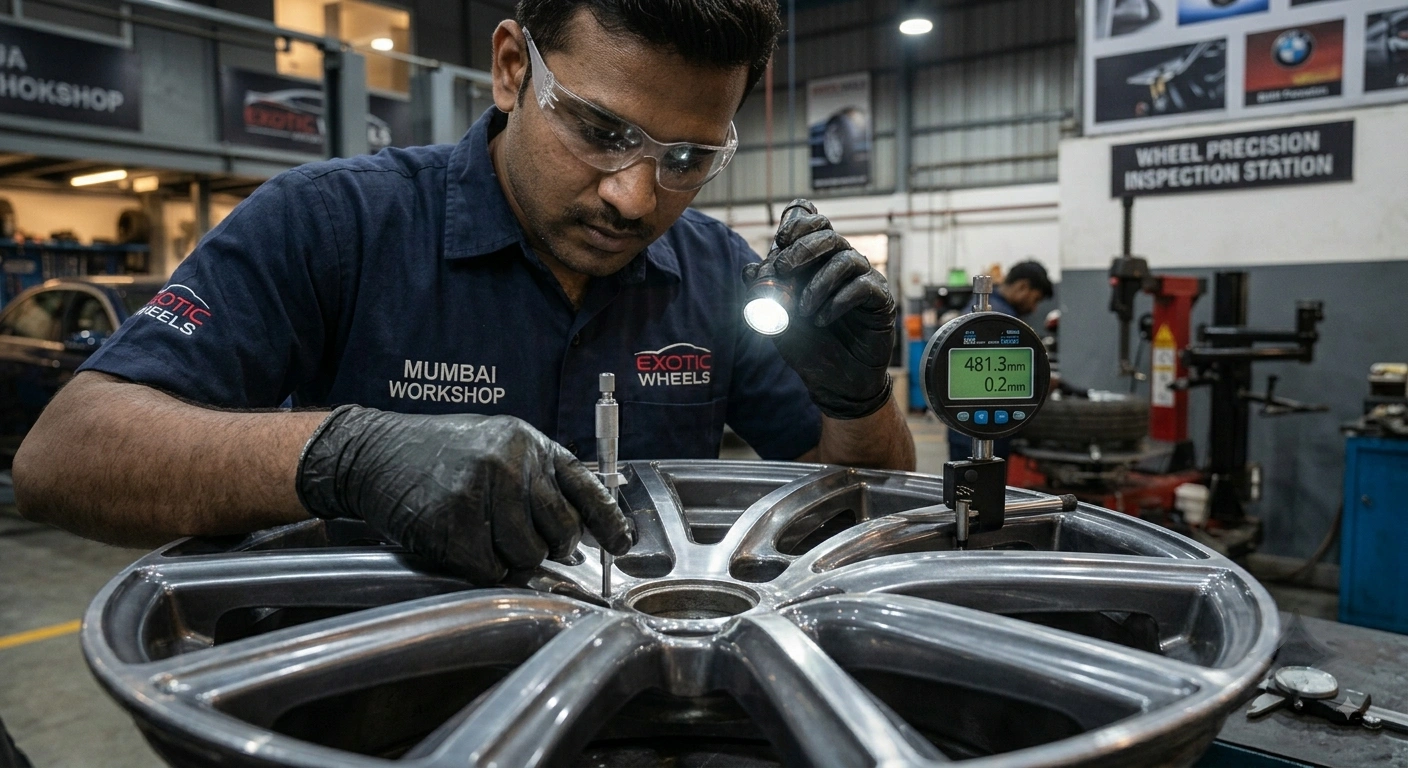
A technician can measure these conditions using specialised wheel inspection equipment.
This is important because runout can be difficult to judge with the naked eye.
If the vehicle develops vibration after a strong impact, measuring wheel runout can help determine whether the wheel has been deformed.
3. The Inner Barrel Can Take the Impact
Many car owners inspect only the visible front face of an alloy wheel.
However, potholes can impact the inner barrel and rear rim edge just as severely as the front.
The inner section may develop:
- Dents
- Bends
- Scratches
- Distortion
- Bead-seat damage
Because this area is hidden behind the tyre and wheel assembly, the damage may go unnoticed for a long time.
This is one of the clearest examples of Hidden Aluminum Wheel Damage.
A proper inspection may require tyre removal so the technician can examine areas that cannot be accessed during a basic visual check.
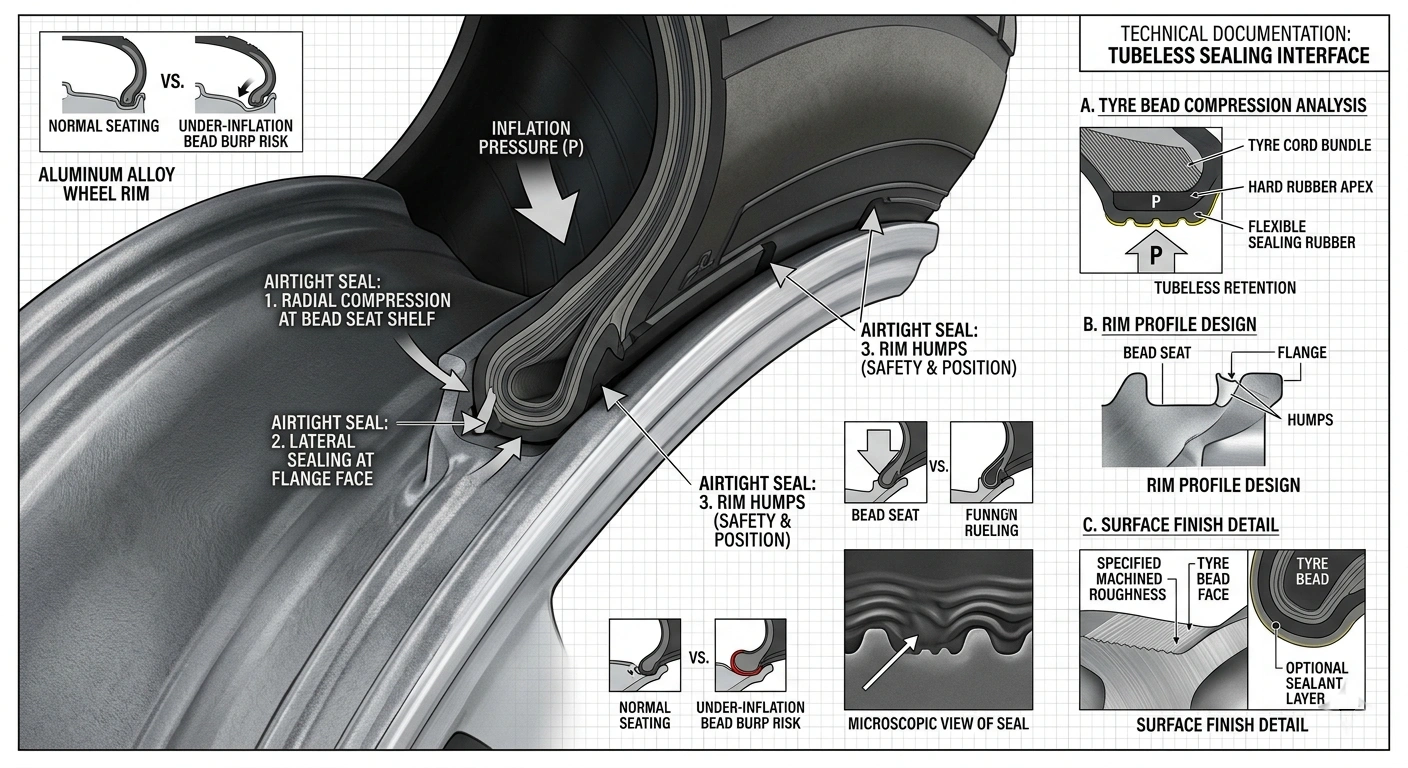
4. Bead-Seat Damage Can Cause Slow Air Loss
The tyre needs to form a proper airtight seal against the wheel.
This sealing area is known as the bead seat.
If an impact deforms the wheel around this area, the tyre may not seal correctly.
The result can be a slow tyre air leak.
You may notice:
- Tyre pressure dropping repeatedly
- Frequent need for air filling
- TPMS warnings
- No obvious tyre puncture
- Pressure loss from one particular wheel
If a tyre continues losing air but no puncture is found, the wheel should also be inspected.
A deformed bead-seat area can prevent the tyre from sealing correctly, causing gradual air pressure loss even when the tyre itself has no puncture.
5. Wheel Balancing Problems Can Be a Warning
Wheel balancing ensures that the tyre and wheel assembly rotates as evenly as possible.
A damaged or deformed wheel can make balancing more difficult.
For example, you may have the wheel balanced but continue experiencing vibration.
However, it is important not to assume that every vibration is caused by wheel damage.
Other possible causes include:
- Tyre defects
- Wheel imbalance
- Suspension problems
- Alignment issues
- Worn steering components
A proper diagnosis is therefore important.
If the wheel is found to be physically deformed, Hidden Aluminum Wheel Damage may need to be addressed before balancing alone can provide a satisfactory result.
6. Potholes Are a Common Cause of Wheel Damage
Potholes are among the most common road hazards responsible for wheel and tyre impacts.
The risk can increase when potholes are difficult to see because of:
- Rain
- Waterlogging
- Poor lighting
- Heavy traffic
- Road construction
- Uneven road surfaces
A strong impact can affect the tyre, wheel, alignment, and suspension at the same time.
Even if you drive away without seeing a visible crack, pay attention to how the vehicle behaves afterward.
New vibration, steering changes, or tyre pressure loss are reasons to have the wheel inspected.
7. Wheel Mounting Areas Can Also Be Affected
The wheel does not only interact with the tyre.
It also connects to the vehicle through its mounting surface and wheel bolts or nuts.
A significant impact can potentially affect the mounting area or create irregularities that influence how the wheel sits on the vehicle.
This is another reason a professional inspection should look beyond the visible wheel face.
A technician may examine:
- Bolt holes
- Hub mounting surface
- Inner barrel
- Rim edges
- Bead seat
- Spoke area
A complete inspection provides a better understanding of whether Hidden Aluminum Wheel Damage is present.
Signs Your Aluminum Wheel May Need Inspection
You should consider professional wheel inspection if you experience any of these symptoms:
Steering Vibration
A vibration through the steering wheel can indicate wheel, tyre, balance, alignment, or suspension problems.
Repeated Tyre Pressure Loss
A tyre that repeatedly loses air without a visible puncture may have a sealing or wheel-related issue.
Uneven Tyre Wear
Irregular wear can indicate problems involving alignment, tyre condition, wheel movement, or suspension.
Difficulty Balancing the Wheel
If balancing repeatedly fails to resolve vibration, the wheel may need further examination.
New Problems After a Pothole
A noticeable change immediately after an impact should not be ignored.
Unusual Handling
If the vehicle feels different while turning, braking, or driving at speed, professional inspection is recommended.
Can Hidden Aluminum Wheel Damage Be Repaired?
In some cases, yes.
Whether a wheel can be repaired depends on several factors:
- Wheel material
- Wheel design
- Location of damage
- Severity of deformation
- Presence of cracks
- Structural condition
- Manufacturer recommendations
- Overall safety of the wheel
Minor bends or certain types of deformation may be repairable using appropriate professional equipment.
However, not every damaged wheel should be repaired.
If the wheel has serious structural damage or extensive cracking, replacement may be the safer option.
A responsible wheel repair specialist should assess the actual condition before recommending repair.
What Happens During Aluminum Wheel Inspection and Repair?
The process can vary depending on the problem.
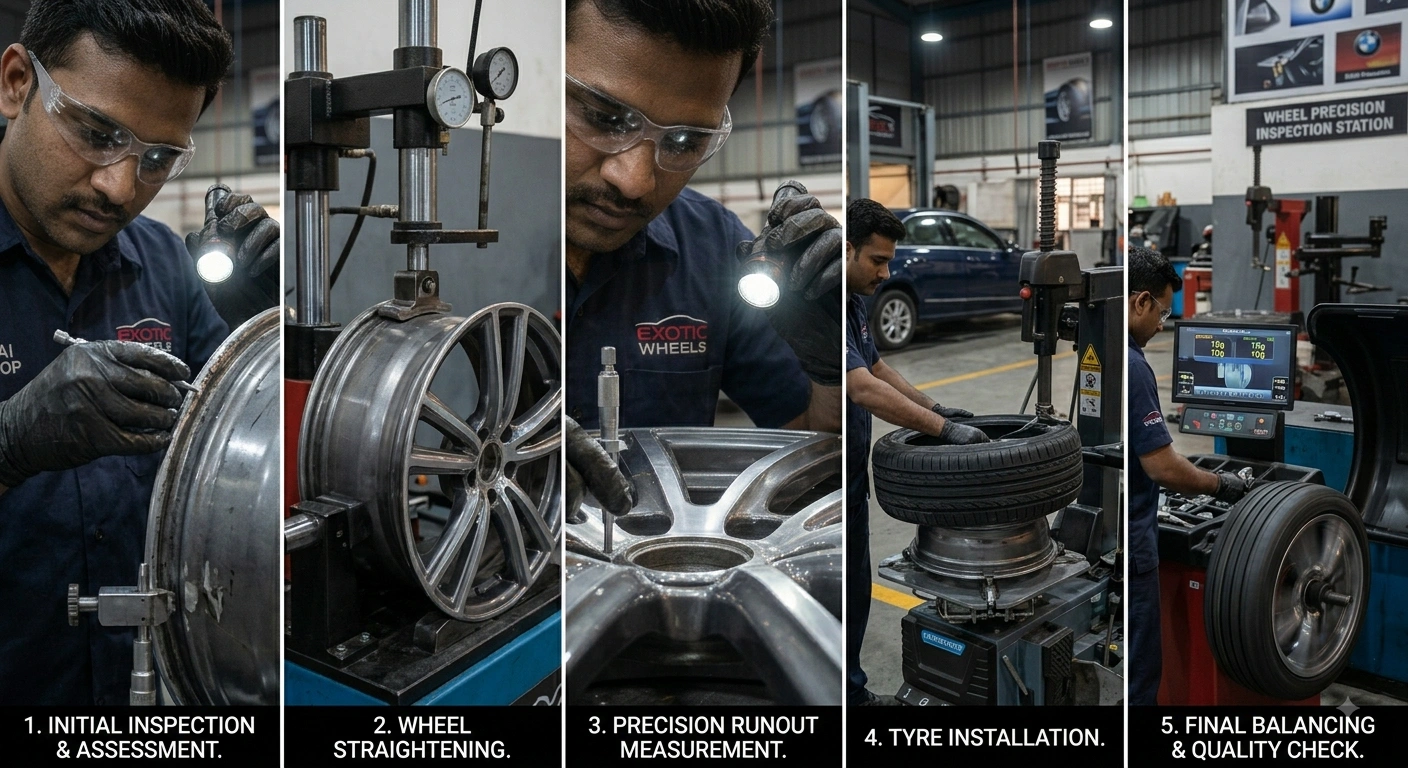
A professional workshop may follow these steps:
Step 1: Visual Inspection
The technician checks the front, rear, inner barrel, rim edges, and mounting areas.
Step 2: Tyre Inspection
The tyre is checked for punctures, sidewall damage, bead problems, and abnormal wear.
Step 3: Tyre Removal
If necessary, the tyre is removed so hidden areas of the wheel can be inspected.
Step 4: Runout Measurement
Specialised equipment is used to check whether the wheel rotates within acceptable limits.
Step 5: Damage Assessment
The technician determines whether the problem is repairable or whether replacement should be considered.
Step 6: Controlled Repair
If appropriate, the wheel may undergo a professional repair process designed for its specific type of damage.
Step 7: Final Inspection and Balancing
The wheel and tyre are checked again and balanced before installation.
This diagnostic-first approach helps ensure that Hidden Aluminum Wheel Damage is properly identified rather than simply treating the visible symptom.
Repair or Replace: Which Is Better?
The correct decision depends on the wheel’s condition.
| Wheel Condition | Possible Approach |
|---|---|
| Minor bend | Professional repair may be possible |
| Slight runout | Inspection and correction may be possible |
| Minor bead-seat deformation | Assessment required |
| Cosmetic scratches | Refinishing may be possible |
| Severe crack | Replacement may be safer |
| Major structural damage | Replacement generally preferred |
| Repeated severe damage | Detailed professional assessment recommended |
A reputable workshop should prioritise wheel integrity and safety rather than recommending repair in every situation.
How to Prevent Aluminum Wheel Damage
You cannot eliminate every road hazard, but several habits can reduce the risk.
Maintain Correct Tyre Pressure
Proper tyre pressure helps the tyre absorb road impacts as designed.
Reduce Speed Near Potholes
Lower speed can reduce the force transferred to the wheel during an unavoidable impact.
Avoid Kerb Impacts
Hard contact with a kerb can damage both the tyre and wheel.
Inspect After Major Impacts
If you hit a pothole hard, check for changes in vibration, handling, and tyre pressure.
Maintain Wheel Balance
Regular balancing and tyre checks can help identify problems early.
Keep Wheels Clean
Regular cleaning makes scratches, corrosion, and other surface changes easier to notice.
Why Professional Inspection Matters
Wheel damage is not simply a cosmetic concern.
The wheel supports the tyre and plays an important role in how the vehicle transfers forces to the road.
A wheel that is slightly deformed may affect tyre rotation, balancing, air sealing, or driving comfort.
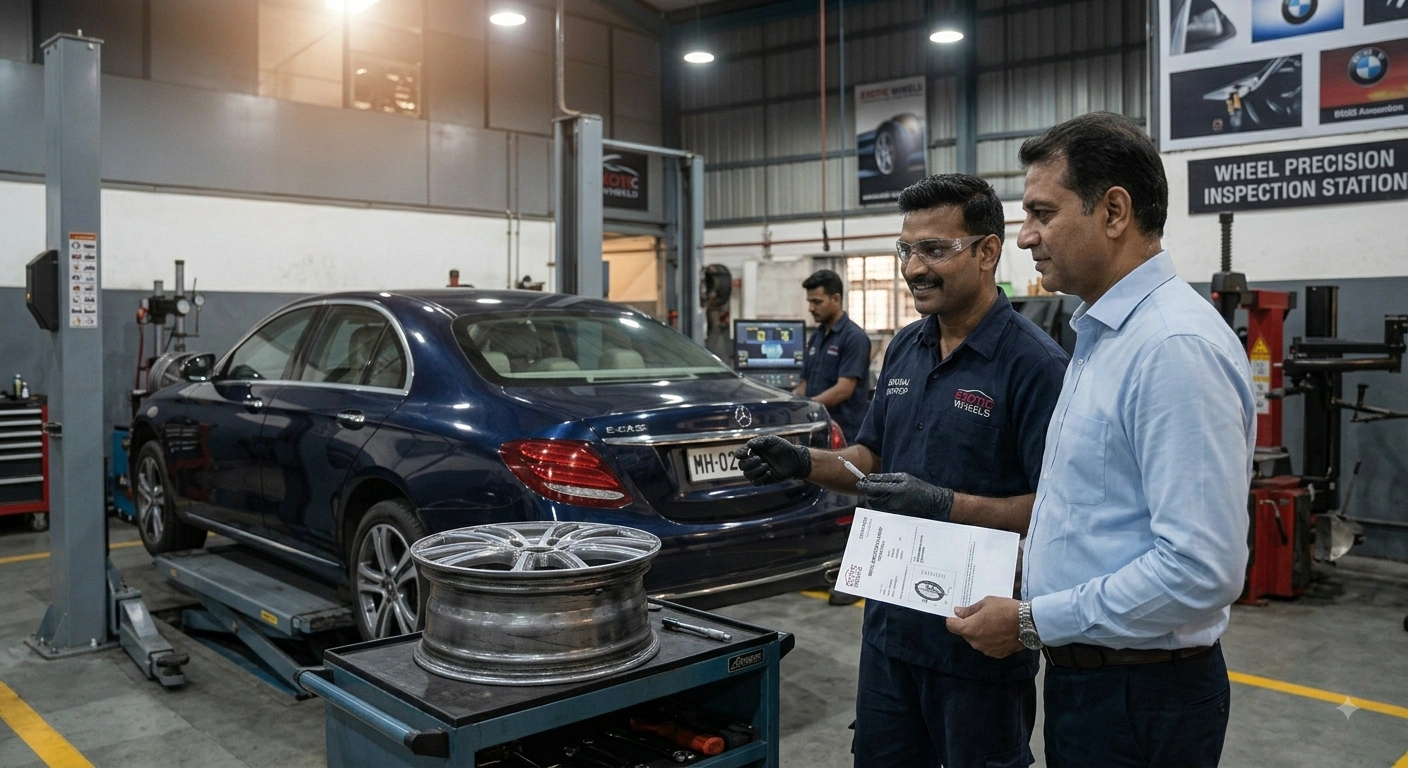
Professional inspection can identify problems that may be missed during a quick visual check.
Instead of immediately assuming the wheel needs replacement, a technician can determine whether the issue is repairable, cosmetic, tyre-related, or caused by another vehicle component.
This is why Hidden Aluminum Wheel Damage should be diagnosed before choosing a repair or replacement solution.
Professional inspection is important because hidden wheel problems may affect tyre sealing, balance, handling, and road contact even when the wheel looks normal.
When Should You Get Your Aluminum Wheel Checked?
You do not have to wait until a crack appears.
Consider getting the wheel inspected when:
- You recently hit a deep pothole.
- Your tyre keeps losing pressure.
- The steering wheel begins vibrating.
- Wheel balancing does not solve the vibration.
- You notice unusual tyre wear.
- The car feels different after an impact.
- You hear unusual sounds near the wheel.
- You notice a problem that wasn’t present before hitting a road obstacle.
Early inspection can help prevent a minor issue from becoming a larger tyre, wheel, alignment, or suspension problem.
Frequently Asked Questions
Q1. Can an aluminum wheel be damaged without visible cracks?
Yes. An aluminum wheel can develop bends, runout, bead-seat deformation, or inner-barrel damage without showing an obvious crack.
Q2. How can I identify hidden wheel damage?
Common warning signs include vibration, repeated tyre pressure loss, uneven tyre wear, balancing problems, or changes in handling after an impact. Professional measurement provides a more reliable diagnosis.
Q3. Can a bent aluminum wheel cause tyre air loss?
Yes. If the wheel is deformed around the bead-seat area, the tyre may not form a proper airtight seal, which can result in gradual pressure loss.
Q4. Can potholes damage aluminum wheels?
Yes. A strong pothole impact can deform a wheel, damage the tyre, and potentially affect alignment or suspension components.
Q5. Is every damaged aluminum wheel repairable?
No. Repairability depends on the type, severity, location, material, and structural condition of the wheel. Some damage may make replacement the safer option.
An aluminum wheel does not need to have a visible crack to have a problem.
A pothole, kerb impact, or road hazard can create a slight bend, runout, bead-seat deformation, or inner-barrel damage that remains hidden from a normal visual inspection.
The first warning sign may actually come from the vehicle itself.
If you notice repeated tyre pressure loss, steering vibration, uneven tyre wear, balancing difficulties, or a change in handling after an impact, do not assume the wheel is fine simply because it looks normal.
Hidden Aluminum Wheel Damage is best identified through proper inspection and measurement.
The right approach is to diagnose the problem first and then determine whether professional repair or replacement is appropriate. This can help protect your tyres, maintain driving comfort, and reduce the risk of more expensive problems later.
Author: Areef Shaikh
Last Updated: August 2026
Category: Aluminum Wheel Repair
Social Media: Instagram – @wheelsrepairsales